4-Point vs 6-Point Harnesses: Which Should You Buy?
What the extra 2 straps on a 6-point harness actually do, when the regulations expect one, and when a 4-point is the more sensible buy for fast road and occasional track use.

Call Garreth, Cameron & CallyAI: 0115 9893488
FREE UK shipping on orders over £100.00 & FREE gifts on checkout
Call Garreth, Cameron, CallyAI
Today On: 0115 9893488
Click Here For Our Contact Form
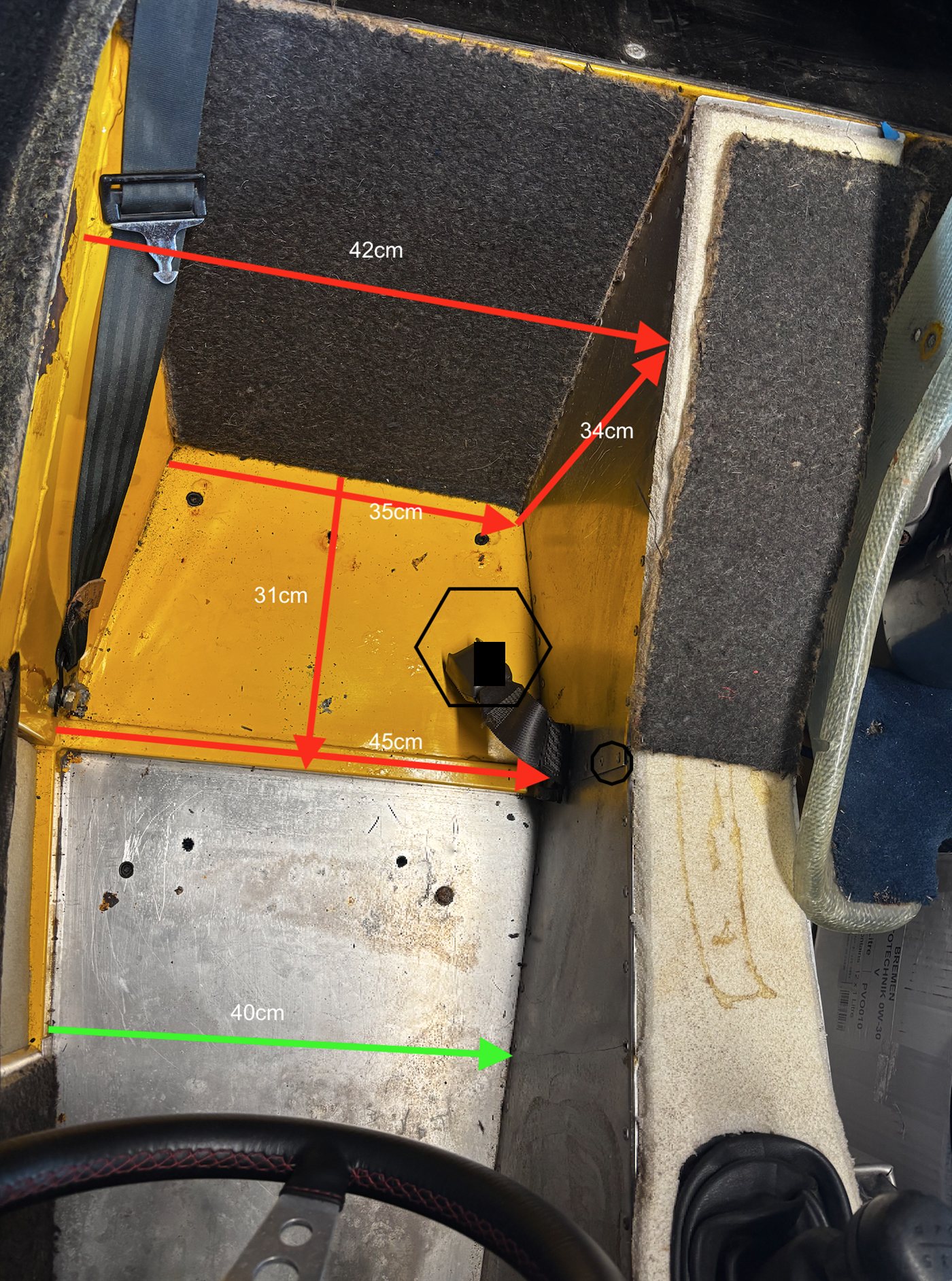
This one started as an email. A Fury owner wrote to us with a shortlist of three Mirco shells and a set of photos that made the whole counter stop and look: he had put a tape measure across his cockpit in six places and marked every figure on the picture. In fifteen years of seat questions we have honestly never been handed the answer that neatly.
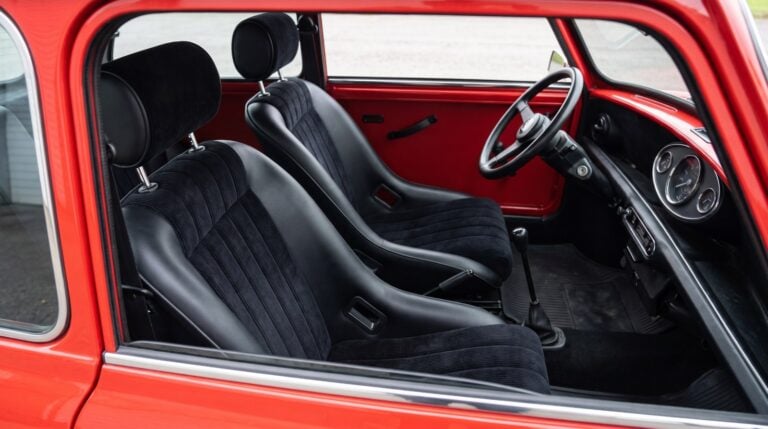
The Fury has one of the tightest cockpits of any British kit car. There is less room between the tunnel and the sill than you get in a Classic Mini, and the seat has to share that space with a harness, your hips and whatever padding survives. Most bucket seats never had a chance of going in, so the question is not which seat is best. It is which seats get through the hole at all.
So we sat down with his numbers and did the job properly, the way we would across the counter. Cameron put the tape over every narrow shell we stock and pulled the factory drawings, Garreth argued about which ones are worth the money, and this page is the result. If you run a Westfield, a Caterham, an MEV or anything else with a tub measured in centimetres, the method carries straight over.

What is on this page
Here is the cockpit we are working with, exactly as it arrived. Six figures, and between them they describe the problem completely.
Across the top of the tub, at the widest point of the opening, there is 42cm. The floor pan tapers underneath it: 45cm across the front, narrowing to 35cm at the back where the seat base ends up. The flat part of the pan runs just 31cm front to back before the panel starts climbing the rear bulkhead, and the run up that slope is another 34cm. Ahead of the seat area the floor gives 40cm between the tunnel and the sill.
Two things jump out. First, the floor is a wedge, not a rectangle. A seat with a wide square base can pass a quick width check at the front of the pan and still jam a good 10cm short of the bulkhead. Second, the opening at the top is narrower than the front of the floor, which surprises almost everybody. A shell that is slim at the base and broad at the shoulder will pass the tape measure on the floor and still end up sat on the bodywork.
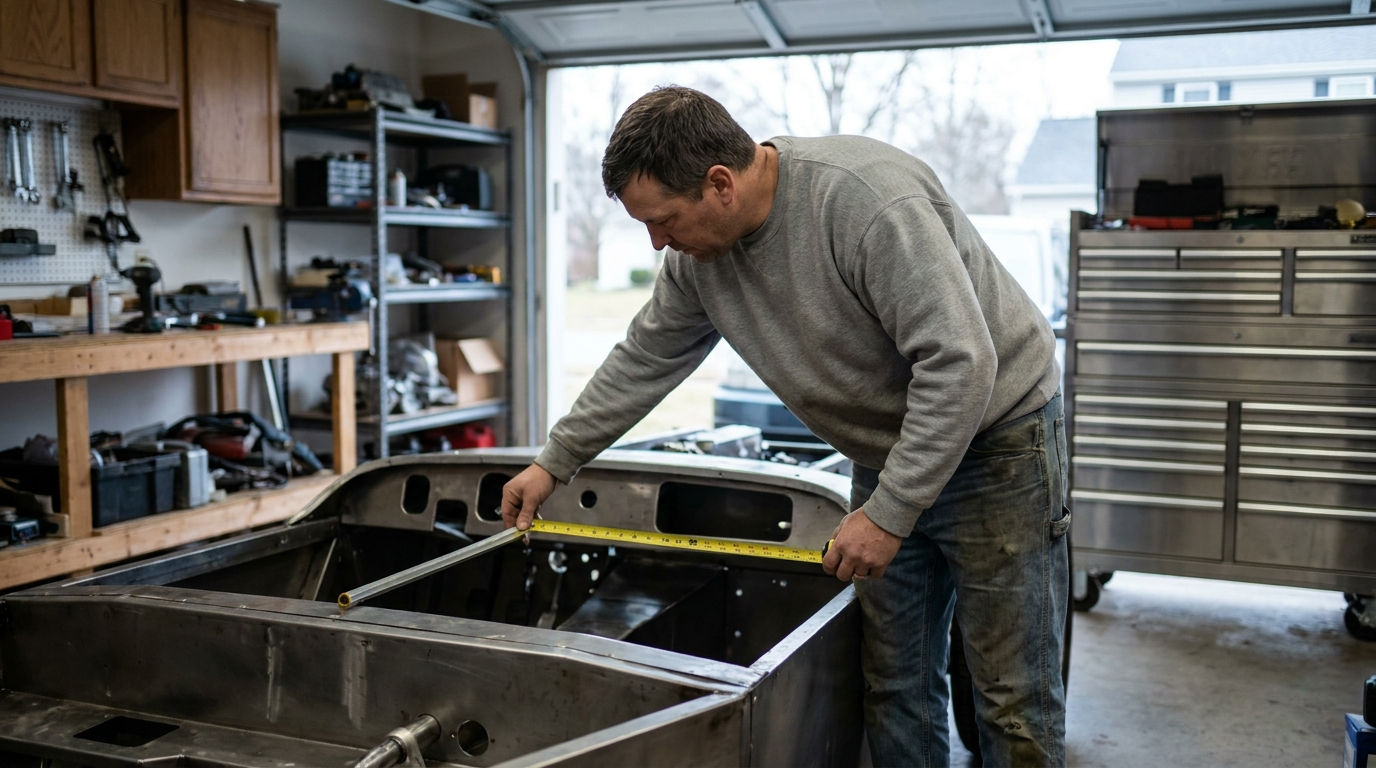
Cameron’s tip if you are doing this on your own car: measure where the seat actually sits, not where the tape is easiest to hold. The back of the pan and the top of the tub are the two figures that kill most candidates, and they are the two people skip.

Every seat on this page passes or fails at one of three heights, so it is worth having the three fixed in your head before the products start. This is the exact order we run through at the counter when somebody brings us their numbers.
The base of the shell against the tapering pan. Here that means 450mm at the front falling to 350mm at the back. A parallel sided base has to clear the narrow end, not the wide one.
The widest point of the cushion against the front of the pan. Shells flare here, and the flare usually sits a few centimetres up, right where the pan is still deciding things.
The shoulder width against the opening at the top of the tub, 420mm on this car. Anything wider stands proud of the bodywork, which can be fine, but it is a decision you want to make on purpose.
Cobra make a seat specifically for seven-style cars, and it is the one seat in this guide where you are not fighting the dimensions. The Roadster 7 is 400mm wide at the base, narrows to 350mm at the top of the shell, and stands 745mm tall. It weighs 8.8kg in GRP, which you notice the first time you lift one off the rack.
The clever part is the back. Instead of a vertical shell, the Roadster 7 is shaped to lie against the angled rear bulkhead, which is exactly what the 34cm diagonal in the photo above is measuring. The seat borrows that slope for support and hands the space back to you as legroom, and in a Fury legroom is worth a good deal more than padding.
We have had a customer test fit this seat in his own Fury with fantastic results: it squeezed into the chassis perfectly. That is the kind of evidence no drawing can give you. Cobra trim it in your choice of material, and the harness-slot version is the one to pick if you run a 4-point.
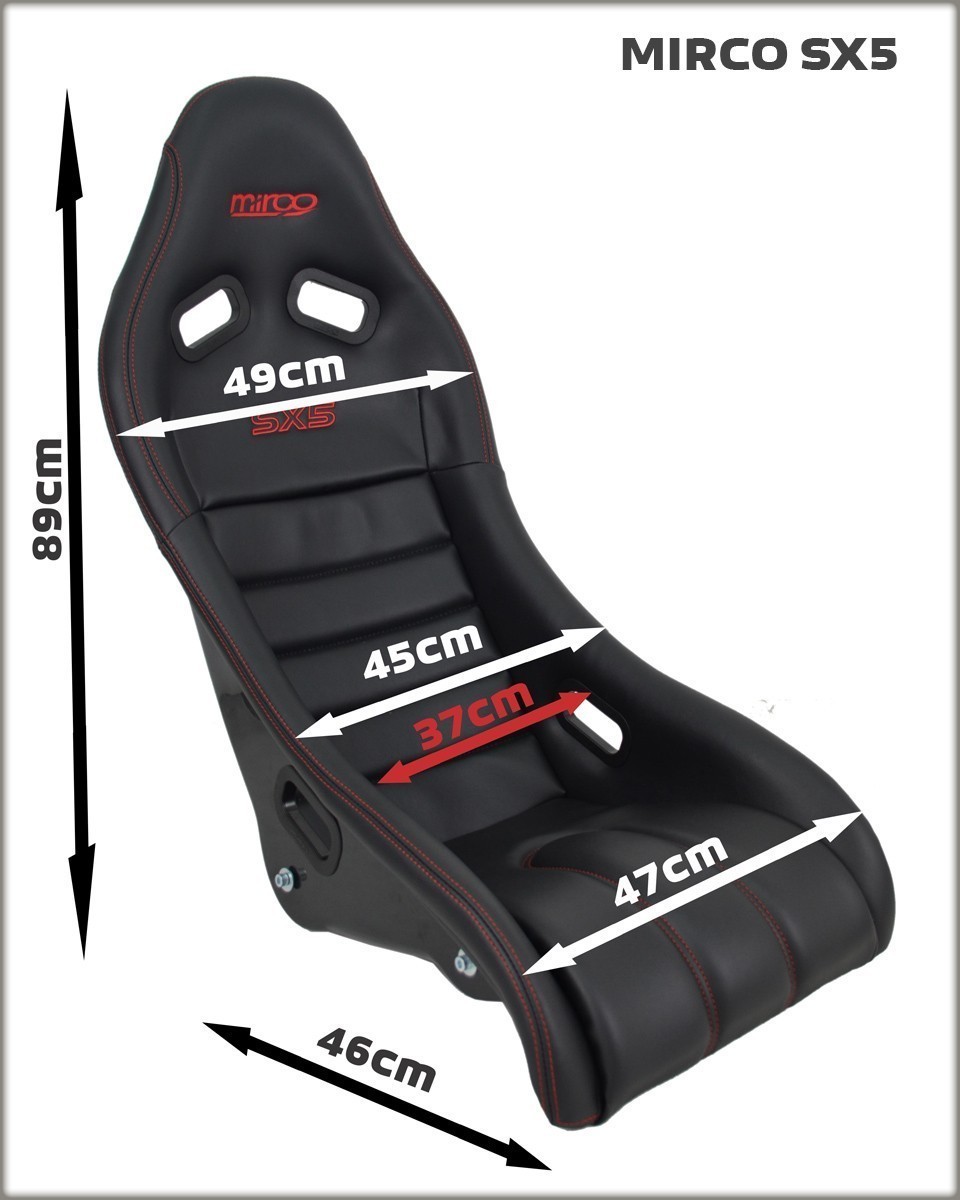
The owner’s shortlist was three Mirco shells, and it was a good shortlist. Mirco are a Polish manufacturer whose whole catalogue leans narrow, which is why we carry the full range alongside the bigger names. The SX5 and SX6 are the same fibreglass shell in two outfits: the SX5 wears a modern padded trim, and the SX6 has a retro set of vertical flutes that suits an older build very well.
On the tape they run 490mm across the shoulders, 450mm at the waist and 890mm tall, with 370mm between the bolsters for your hips. Against this Fury the base is comfortable, but the two upper checks are tight: there is a 470mm front cushion meeting a 450mm front of pan, and 490mm of shoulder dealing with a 420mm opening. Whether that works depends on how high the shell sits and how much of it stands proud of the tub.
If you are set on one of these, measure from your floor to the top edge of the bodywork and compare it against the factory drawing further down before ordering. We went deeper on both shells in our ultra narrow bucket seat guide.
The third seat on his list is the interesting one. The LS is the shell Mirco designed for exactly this situation, cars like the Lotus Elise and Mazda MX-5 where the sill and the tunnel leave very little between them, and it is the narrowest thing in their catalogue below the shoulder line.
At the very bottom it is just 380mm wide, growing to 450mm at the hip and 510mm at the shoulder. That makes it the only Mirco that gets under this Fury’s pan figures at every point below the shoulders. It is a monolithic fibreglass shell at 7.5kg, side mounted, with four belt openings, and there is a carbon version of the same shape if you want the weight lower still.
One thing to know before you order: Mirco size the LS for drivers up to about 175cm and 70kg. It is a compact shell for compact drivers, and that is the trade that buys the narrowness. Taller or heavier than that, and the Roadster 7 or the SX5 will hold you better.
None of the shells above carry FIA homologation, and for road use and track days none of them need it. If the Fury is going racing under Motorsport UK regulations the picture changes, and the narrowest FIA-approved seat we sell is the Cobra Monaco Pro, a steel-framed seat with FIA 8855-1999 approval.
Now the honest bit, because Garreth made us put a tape on the drawing twice. The Monaco Pro measures 405mm across the very bottom of the shell and 510mm across the cushion. The back of this pan is 350mm, so the shell does not drop down inside the aperture. In a Fury it sits up on side mounts with the cushion above the tub line, and the checks that decide it move up to the rear arches and whatever cage you are running. People do exactly this in sevens, but go in knowing it, with the tape, not hoping.
For comparison the table below also carries the Sparco Sprint and the OMP TRS-E, the two other narrow FIA steel seats we sell. You can read the same story in their numbers.
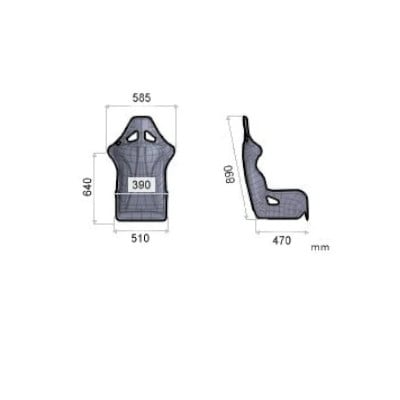
The whole shortlist against the three checks. The drawing first, because it makes the point quicker than the table does.
| Seat | Floor line | Widest below shoulder | Shoulder | Height | Weight | Approval | Mounting |
|---|---|---|---|---|---|---|---|
| Cobra Roadster 7 | 400mm | 400mm | 350mm at the top of the shell | 745mm | 8.8kg | Road and track | Base, runners optional |
| Mirco LS | 380mm | 450mm | 510mm | 890mm | 7.5kg | Road and track | Side |
| Mirco SX5 | 470mm | 490mm | 890mm | Road and track | Base | ||
| Mirco SX6 | 470mm | 490mm | 890mm | Road and track | Base | ||
| Mirco MX5 | 405mm | 475mm | 530mm | 860mm | 7.2kg | Road and track | Side |
| Cobra Monaco Pro | 405mm | 510mm | 550mm | 870mm | 10.6kg | FIA 8855-1999 | Base or side |
| Sparco Sprint | 480mm | 480mm | 505mm | 860mm | FIA 8855-1999 | Side | |
| OMP TRS-E | 510mm | 510mm | 585mm | 890mm | 10.3kg | FIA 8855-1999 | Base or side |
Fury cockpit for reference: 450mm across the front of the pan, 350mm at the back, 420mm across the top of the tub. Every figure is the manufacturer’s own; where they do not publish one the cell stays empty, because we are not about to guess at it. Prices in the sections above include VAT and were correct on 7 August 2026.
The Fury has no standard seat mount, so plan the fixing before the seat arrives, not after. Base-mounted shells like the Roadster 7, SX5 and SX6 bolt to the floor or onto low runners, and every millimetre of runner height costs you headroom under the rollbar. Our sliding runner guide covers the widths and the 25mm they add, and kit cars are all through it.
Side-mounted shells like the LS hang between a pair of steel brackets instead, and it is the bracket flange, not the shell, that then sets your minimum width. Add about 2cm to the shell figures when you check the tape, because that catches people out constantly.
Then trial fit before you drill. Sit the shell in the aperture with the trim on and run the three checks in the same order as the section above. And if you are between two sizes of driver as well as two sizes of seat, go by the driver. A seat you brace against because it is too roomy is worse on track than a snug one.

The method carries over completely and most of the seats do too. The Roadster 7 in particular was designed for seven-style cars in general: Westfield, Caterham, MEV, Marlin and the rest. The numbers on this page belong to one measured Fury though, so take your own six measurements first. Tubs vary more than people expect, even between cars from the same kit.
The Cobra Roadster 7. We have had a customer test fit one in his own car and it went into the chassis perfectly. That is the only one on this page with a real Fury fit behind it, which is a good part of why it tops our verdict.
Mirco size the LS for drivers up to about 175cm and 70kg, and there is not much give in a monolithic shell. Over that, look at the Roadster 7 or the SX5, which both take taller drivers. If you are right on the line, send us your height and weight and we will talk it through honestly before you spend anything.
Only if the seat position needs to move, say for two drivers sharing the car. A runner adds about 25mm of height, which matters under a rollbar, so a lot of kit car builds bolt the seat solid and set it once. The runner guide has the full picture including the weld-in rail kit for cars with no mounting platform at all.
You can, and racers do, but it mounts differently. The narrowest FIA seat we sell is the Cobra Monaco Pro at 405mm across the floor line and 510mm across the cushion, so in a Fury it sits proud of the tub on side mounts and the clearance checks move up to the arches and the cage. Measure at that height before ordering, and check your championship regulations for what they require.
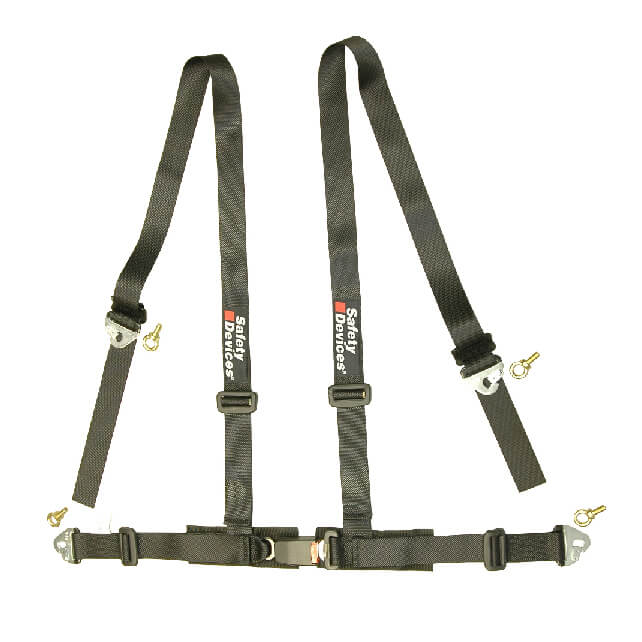
The Roadster 7 is available with harness slots, and the Mirco shells all take a 4-point. Pick the harness-slot version at the point of ordering if you run one, because it is trimmed in, not cut in afterwards. We stock the harnesses too, so tell us the cage or anchor setup and we will match the lot.
The same six figures as the photo at the top of this page: across the top of the tub, across the front and the back of the floor pan, the depth of the flat floor, the run up the rear bulkhead, and the floor width further forward. Add your height and weight and we will do the comparison for you. A photo with the numbers marked on it, exactly as this customer did, is genuinely the gold standard.
For this car, with these measurements, we would order the Cobra Roadster 7 with the harness slots and not think about it again. It is the only seat here that was shaped for the hole it is going into, it is the only one with a proven Fury fit behind it, and at 8.8kg the weight is right. Garreth’s note on the money: it is not the cheapest seat on the page, but it is the only one you will never be working around, and that is usually the cheaper way to own a car.
If the budget will not stretch, or the build is a retro one where the look matters, the SX6 is the one Cameron would take a tape measure to first. And a smaller driver who wants the narrowest possible shell should look hard at the LS, because below the shoulder line nothing else we sell gets close to it.
Seat buying for a kit car this tight comes down to measuring at three heights and being honest about the answers. The owner who sent us these photos did it exactly right, and he turned a vague question into a ten minute comparison. His email is the reason this page exists, and the method on it will outlive every product we have listed.
If you have a Fury, or any seven-style car with a narrow tub, take the same six measurements and send them over with your height and weight, or bring the car to the showroom and Cameron will put the tape on it with you while Garreth tells you what is worth the money. Drop us a line. We have been matching seats to awkward cars since 2003, and we would much sooner sort it before the parcel leaves than after it lands.

What the extra 2 straps on a 6-point harness actually do, when the regulations expect one, and when a 4-point is the more sensible buy for fast road and occasional track use.

A pair of Cobra Classic GT buckets going into a classic Mini. The three measurements that decide it, how the GT compares with the Cub and the Classic RS, the Cobra Mini subframe that carries them, and the one question the customer had not asked.
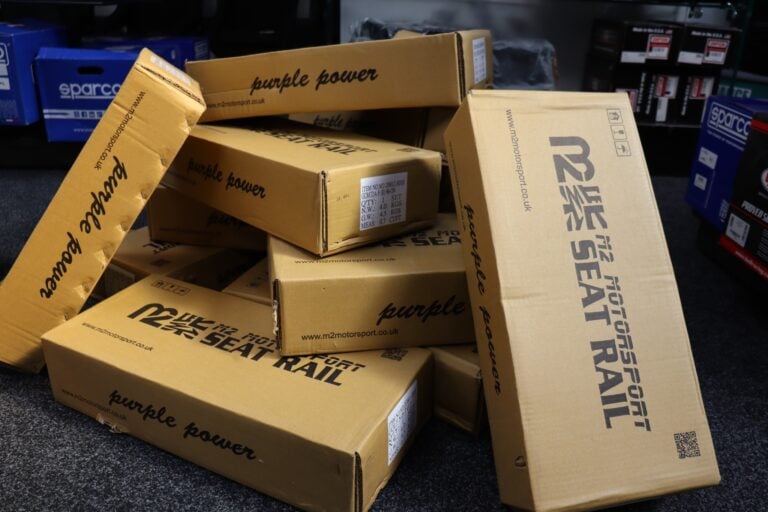
Hundreds of M2 Motorsport seat rails have arrived at GSM Performance, the first delivery of 2026. Back orders are going out, and the range is available again: 47 direct fit frame listings, singles from £165.60 and pairs from £285.00 inc VAT.
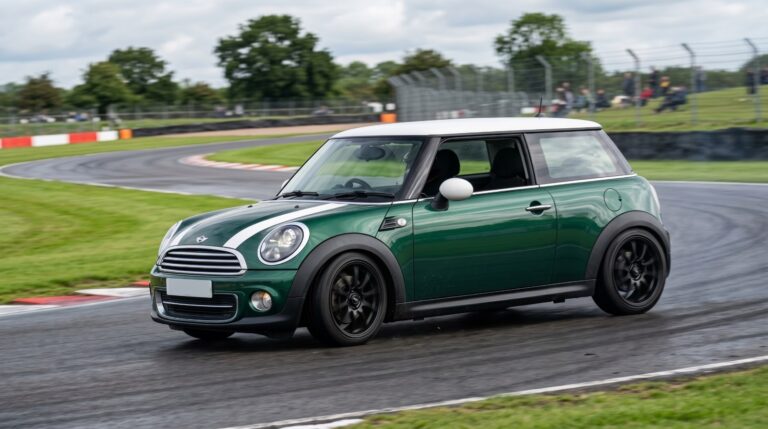
The five reclining sport seats we rate for the Mini R56, with the Sparco and Recaro frame routes that bolt each one straight to the factory mounting points.
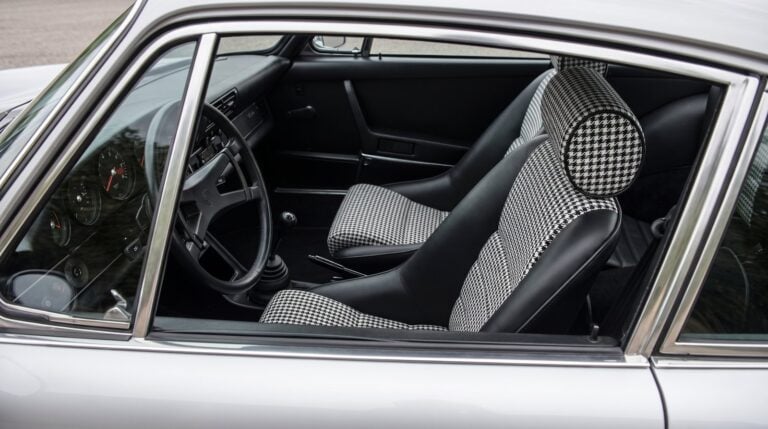
Cobra have put houndstooth through the whole range: 23 seats from £385.72 to £3,378.52 inc VAT, hand trimmed to order in the UK. Every dimension, every mounting route, the 291mm x 330mm bolt pattern, and which of them carry FIA 8855-1999.
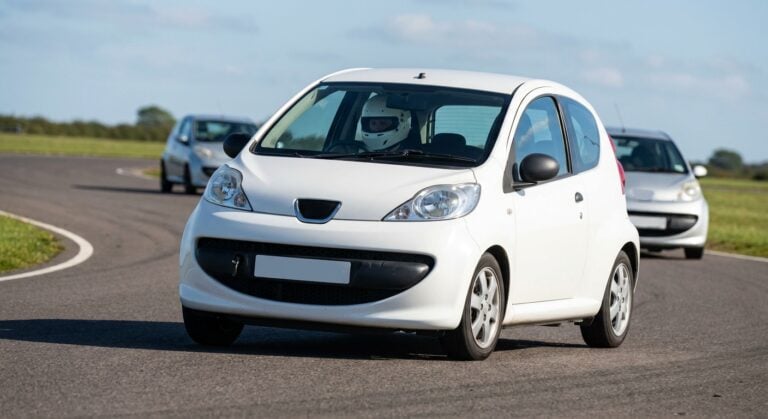
The five reclining sport seats we rate for the Peugeot 107, with the Cobra subframe that bolts to the factory mounting points, includes the sliding runner in the price, and suits the 107’s narrow interior and low roofline.
On all orders above £100
Try before you buy
Aftership Tracking Updates