Call Garreth, Cameron & Jack: 0115 9893488

FREE UK shipping on orders over £100.00 & FREE gifts on checkout

Your garage NewAdd your car and see the parts that fit
Useful Links
Your Account

Talk to us

Garreth, Cameron & Jack · Mon to Fri
Call 0115 989 3488Free advice on your build
Thanks, that’s with us. We reply the same working day.
That didn’t send. Please give us a call instead.

Useful Links

Quick Access

Want to chat?

Call Garreth, Cameron, Jack
Today On: 0115 9893488
Click Here For Our Contact Form


Our Definitive Guide to Caterham and Westfield Harness Belts

Harness guide

Caterham and Westfield owners know how different their cars are from anything else on the road. They are light, low and built around the driver, and that is exactly why a normal motorsport harness often sits badly in them. The cabin is tight and the harness bar sits very close behind the seat, so a belt made for a saloon leaves a lot of webbing with nowhere to go.

That is why TRS, Luke, Willans, Schroth and Sabelt all make harnesses cut for these two cars. This guide covers why the car specific versions exist, how they mount, and how to choose between the road and track belts and the FIA homologated ones.

  • Caterham and Westfield harnesses have shorter shoulder straps to suit the close harness bar
  • Caterham and Westfield versions are not interchangeable: mounting points and cockpit sizes differ
  • We list car specific belts from TRS, Luke, Willans, Schroth and Sabelt
  • Road and track belts suit road cars and track days where FIA approval is not asked for
  • FIA belts come in 4 point and 6 point, with 3 inch shoulders and a 2 or 3 inch lap
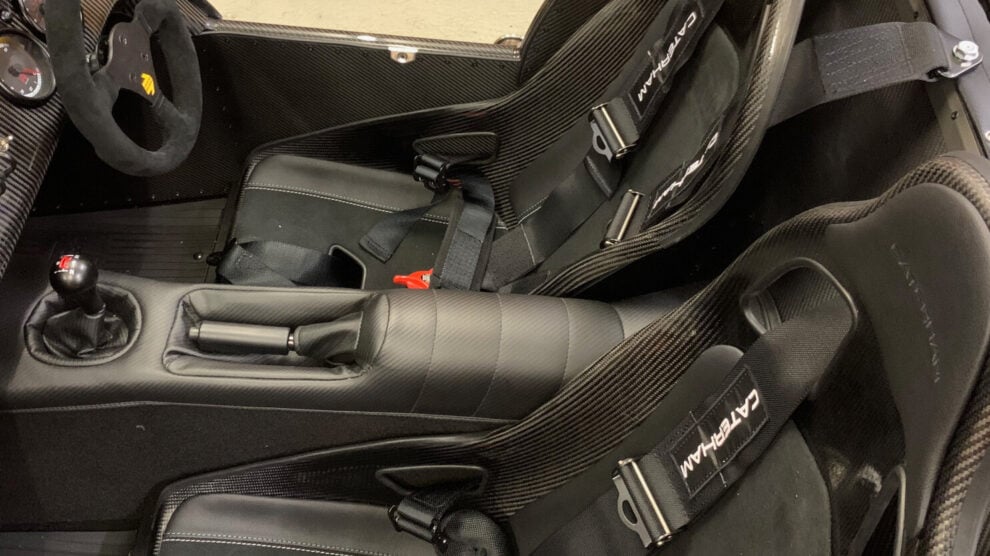
A Caterham cockpit with carbon seats and black Caterham branded harnesses, seen in a workshop
A Caterham cockpit with carbon seats and Caterham branded harnesses. Short, car specific belts keep a tight cabin tidy.

Why these cars need their own harnesses

A standard motorsport harness is sized for a saloon, where there is a good distance between the driver’s shoulders and the harness bar or cage tube behind. In a Caterham or Westfield that gap is very short. Fit a saloon length belt and the shoulder straps end up with a long tail of spare webbing folded behind the seat, which is untidy, uncomfortable and can stop the belt sitting at the angle it was designed for.

The car specific versions fix that by cutting the shoulder straps shorter. TRS, for example, sews the shoulder straps on its Caterham road belt to 50cm from adjuster to fixing, where its standard saloon belts are around 150cm at the same point. The belt then runs cleanly from the shoulders over the bar to its anchor, with enough adjustment left to fit the driver properly.

The two cars look alike, but they are not the same inside. Mounting positions and cockpit sizes differ, and Caterham’s own dimensions have changed over the years, so a Caterham belt is not a Westfield belt. When you order, tell us which car it is and roughly when it was built.

How the harnesses mount

Most of these harnesses fix to the chassis and the roll bar mounting points, with bolt in fittings, eye bolts and clip on hooks, or a mix of the two. A common layout is bolt in lap straps with clip in shoulder straps, which is how the Schroth Westfield II is made. Clip in ends are quicker to take out, bolt in ends stay put. Most of the car specific belts we list come with the hardware for these cars in the box, such as the eye bolts and snap hooks on the Luke Pro belts or the 7/16 UNF bolts and anchor plates on the TRS Caterham road belt.

Harness angles matter as much as the belt itself, and our guide to fitting a motorsport harness covers them. For these cars in particular, the video below from the ACaterhamCalledFern channel is a useful watch. It shows new harnesses going into a Caterham, the routing and attachment points, and how little room there is to work in.

The brands that make them

We list Caterham and Westfield harnesses from TRS, Luke, Willans, Schroth and Sabelt. Between them they cover everything from a 4 point road and track belt for a car that mostly goes to the shops and the odd track day, up to FIA homologated 6 point harnesses for competition. Each maker cuts its own versions for the two cars, so check the listing names the car you have.

Westfield road and track harnesses (non FIA)

For a road Westfield or one that does the occasional track day, a road and track belt makes sense. These are not FIA homologated, so they are not for events that ask for an FIA harness, but they are made with proper webbing and fittings and hold you firmly in the seat.

The Luke Westfield Pro 4 point is a good example. It comes in 50mm or 75mm webbing, has snap on shoulder connections, bolt on lap straps and a rotary release, and comes with the snap hooks and eye bolts. The 50mm version is lighter and suits a car that is mostly on the road; the 75mm spreads the load wider for a car that sees more track time. TRS also makes Clubman and Pro belts for the Westfield.

Caterham road and track harnesses (non FIA)

The Caterham road and track belts do the same job for the Seven: correct fit for the car, without the cost of FIA homologation. They suit drivers who use the car on the road and at track days where FIA approval is not required.

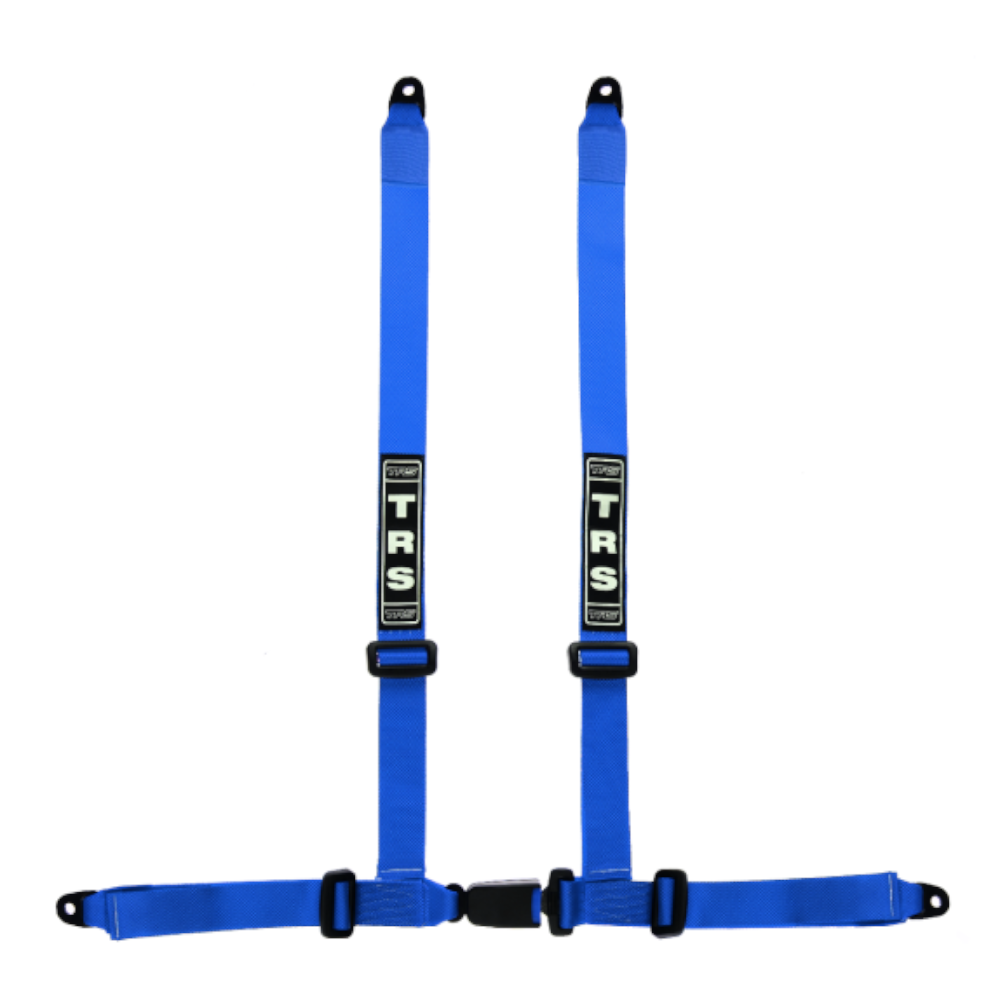
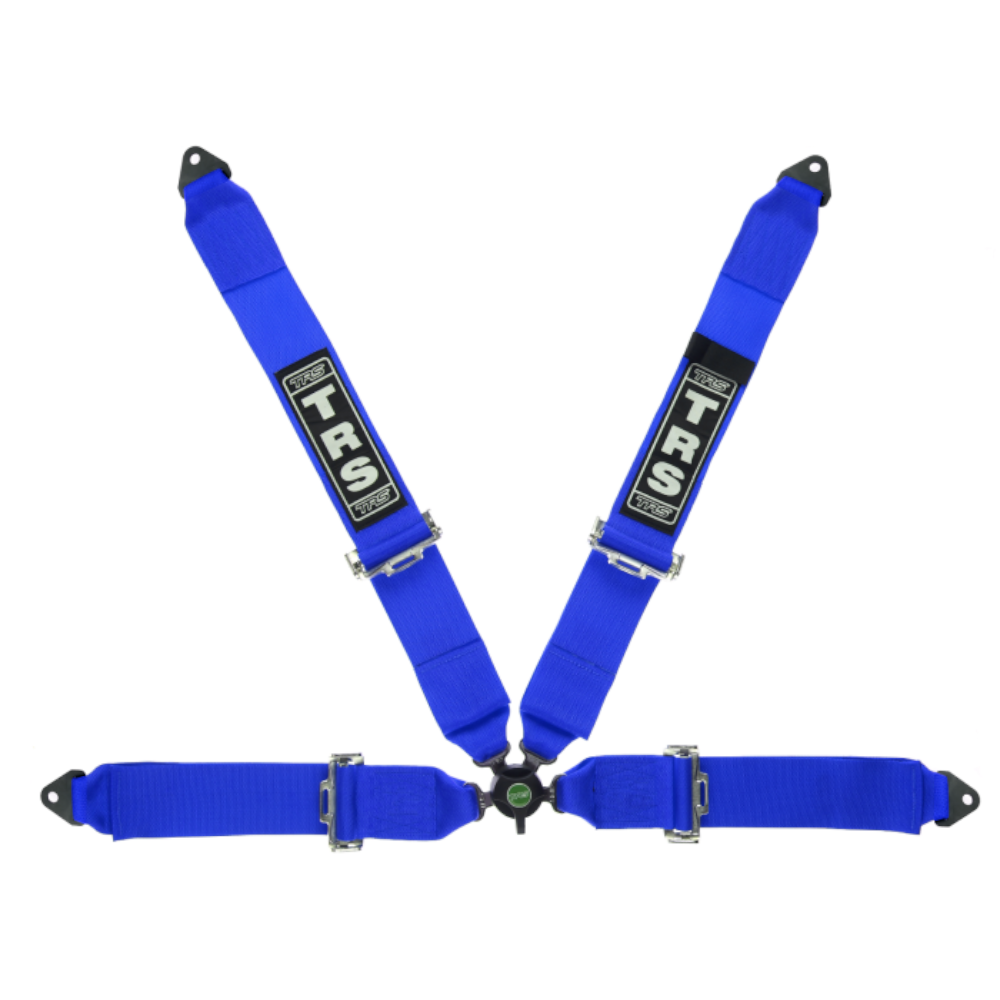
The TRS Caterham 4 point road belt is the entry point. It uses 2 inch webbing throughout, a push button buckle and bolt in mounting, and carries ECE road approval. TRS builds each batch to the car, so it asks for your car details when you order. Above it sits the TRS Pro Caterham, a road and track 6 point belt with 3 inch shoulders, a 2 inch lap and sub strap, an aircraft style rotary buckle and shoulder straps cut shorter for the Caterham’s roll hoop. Luke’s Caterham Pro and Willans’ Supersport Caterham, which is ECE approved, are the other options here.

Westfield FIA homologated harnesses

If the car is going racing, sprinting or hillclimbing, your championship will tell you what harness it needs, and very often that means an FIA homologated one. The Westfield FIA belts are cut short for the Westfield cockpit, so the installation stays tidy with the extra strength of a homologated belt.

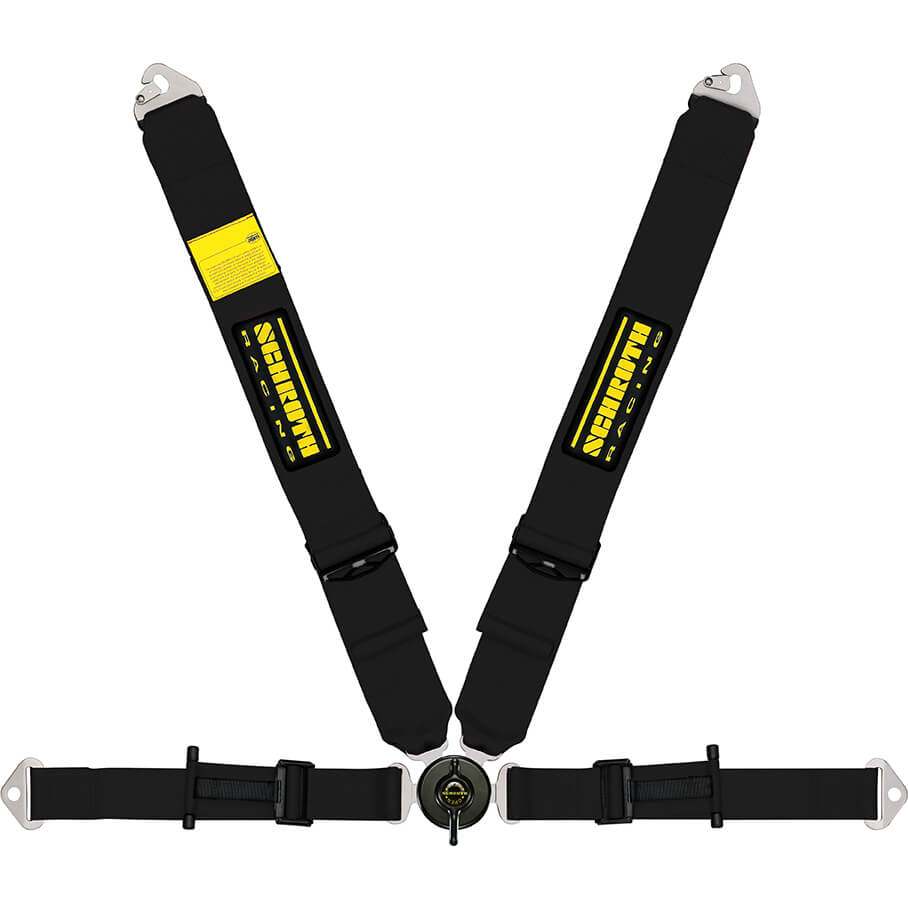
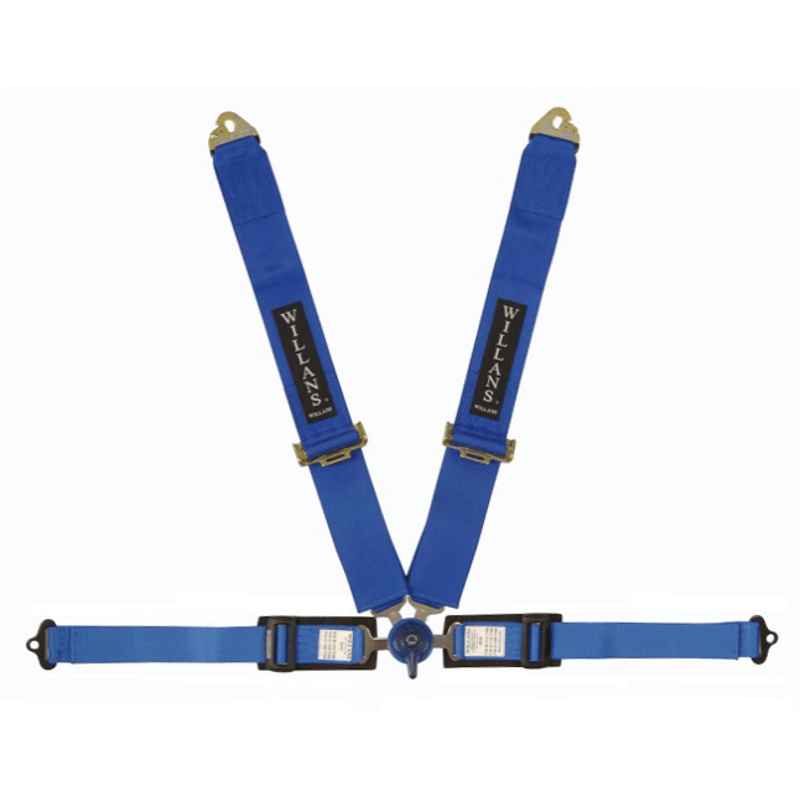
Our Westfield FIA options include the Willans Club 4×4 Westfield with 3 inch shoulder straps and a choice of 2 inch or 3 inch lap straps, the Schroth Westfield II 4 point ASM, which is approved to FIA 8854-1998 and uses Schroth’s anti submarining design, and TRS’s Magnum 4 point FIA Westfield. The Schroth is handed, so you choose the driver or passenger side version.

Caterham FIA homologated harnesses

For a Caterham that competes, the FIA belts are made to the homologation standard in their webbing, buckles and adjusters, with the shorter Caterham strap lengths so there is no spare webbing cluttering the cockpit and adjustment between sessions is quicker.

The range covers 4 point and 6 point layouts. The TRS Caterham Magnum 4 point FIA uses 75mm webbing and an aircraft style rotary buckle, and is homologated to FIA 8854-1998. Willans offers the Club 4×4 and Silverstone 4×4 Caterham belts in 4 point form and the Silverstone LDT6 Caterham as a 6 point, each with 3 inch shoulder straps and a 2 inch or 3 inch lap. A 6 point adds sub straps that stop you sliding under the lap belt, and our guide to 4 point versus 6 point harnesses explains when that matters.

FIA harnesses carry a date on the label and their validity runs out, which scrutineers check. Our guide on how long FIA harnesses last explains how it works. Always check your own championship’s regulations, and ask your scrutineer if in doubt.

Choosing the right harness for your build

Start with the car and what it is used for. A road car with occasional track days is well served by a road and track 4 point in the right length. A car doing sprints, hillclimbs or races needs whatever its regulations ask for, which usually means an FIA homologated belt, and often a 6 point.

Then think about strap widths. A 3 inch lap spreads the load more, a 2 inch lap sits closer to a normal seatbelt at the waist, which some drivers prefer in a car that also covers road miles. Garreth’s advice is to send us the car, its year and what you do with it before you order, so we can point you at the version cut for your chassis.

The harness bar sits very close behind the seat, so a saloon length belt leaves too much spare webbing. Car specific belts have shorter shoulder straps.

No. The two cars have different mounting points and cockpit sizes, so each maker cuts separate Caterham and Westfield versions.

It depends on the organiser. Many track days do not ask for FIA approval, but competition usually does, so check the regulations for your event.

We list car specific belts from TRS, Luke, Willans, Schroth and Sabelt.

The car, its approximate build year, and whether you need road and track or FIA. Some makers, such as TRS, build to your car’s details.

💬
Not sure which one?Tell us the car and the use

Send us the model, the year and how you use it, and we will point you at the harness cut for your chassis.

Need a personal recommendation?

We're here to ensure you pick the right seat. Contact us today.
Our showroom virtual walk through!
Have a walk around our showroom before you even buy your new seats. 
Our hands on experience, is what allows us to bring you our recommendations.
Free UK Shipping

On all orders above £100

Showroom

Try before you buy, by appointment

Delivery Tracking

Updates by email and text