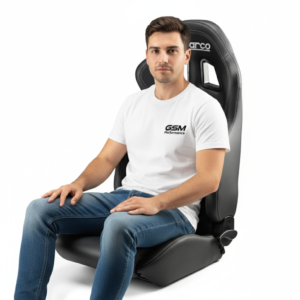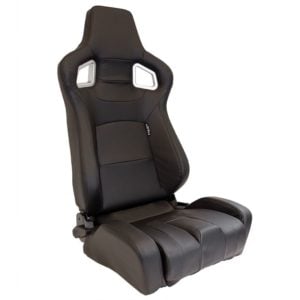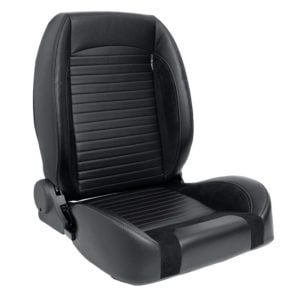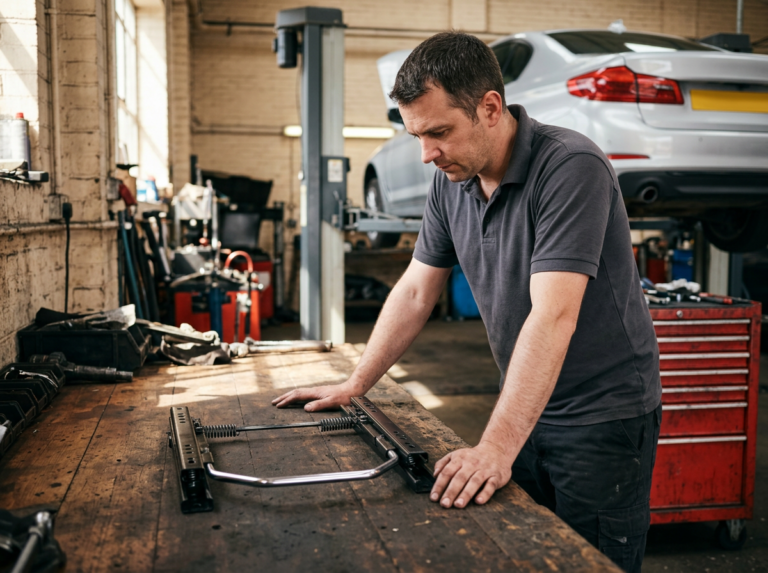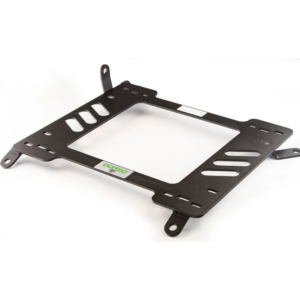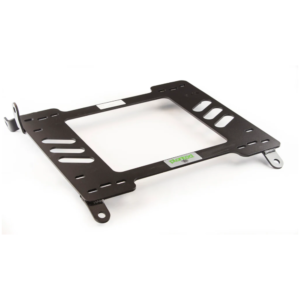
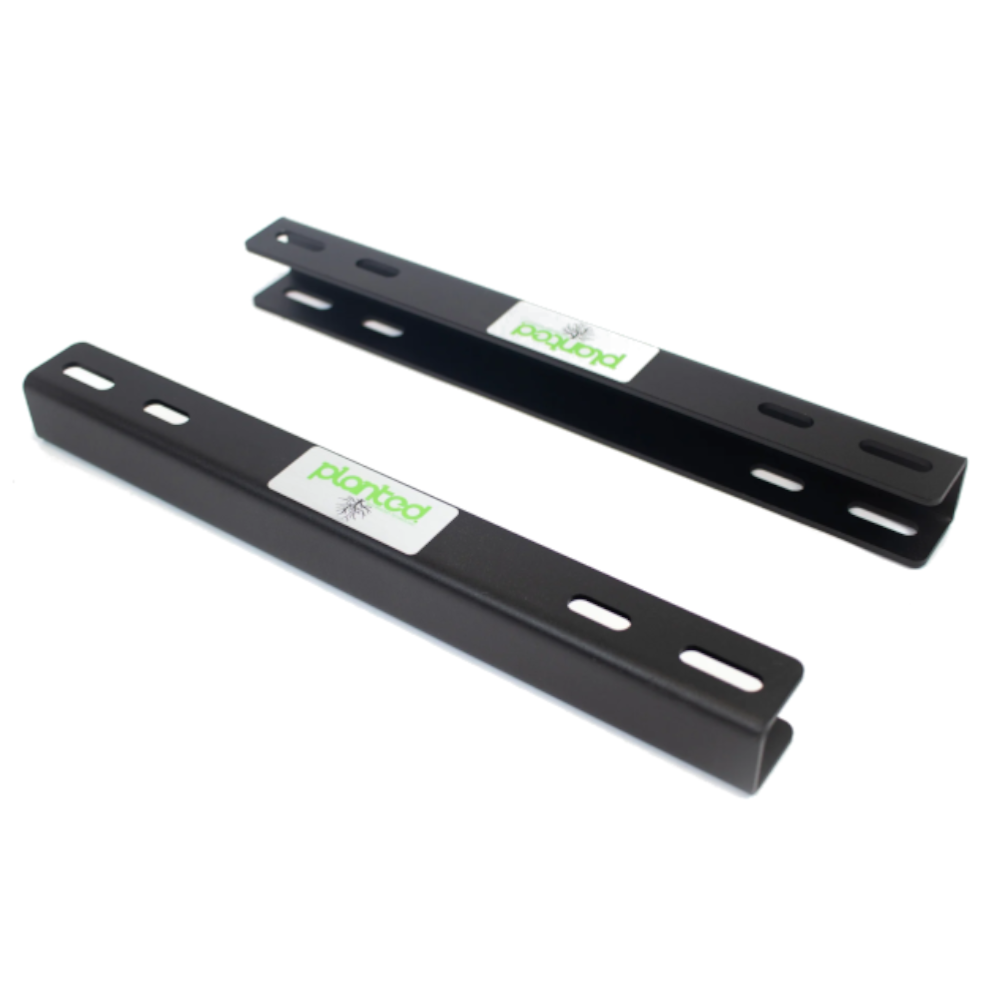
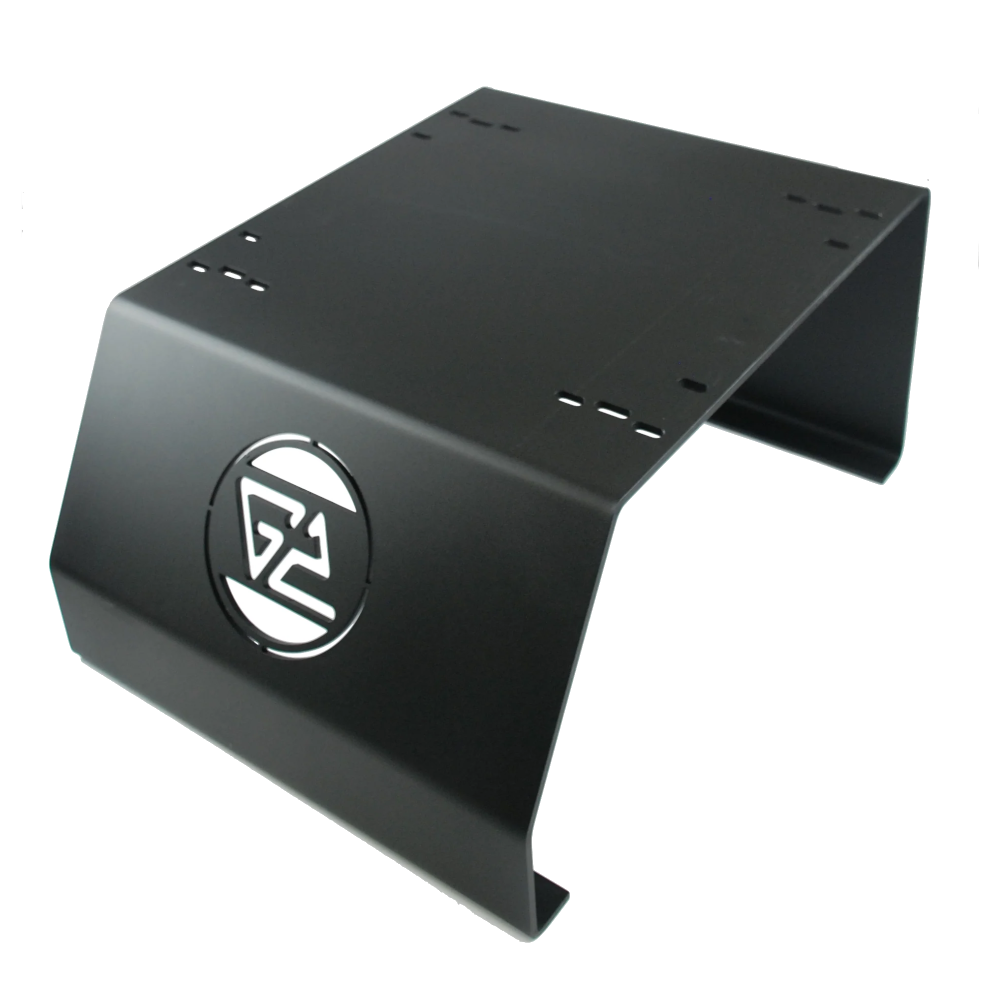
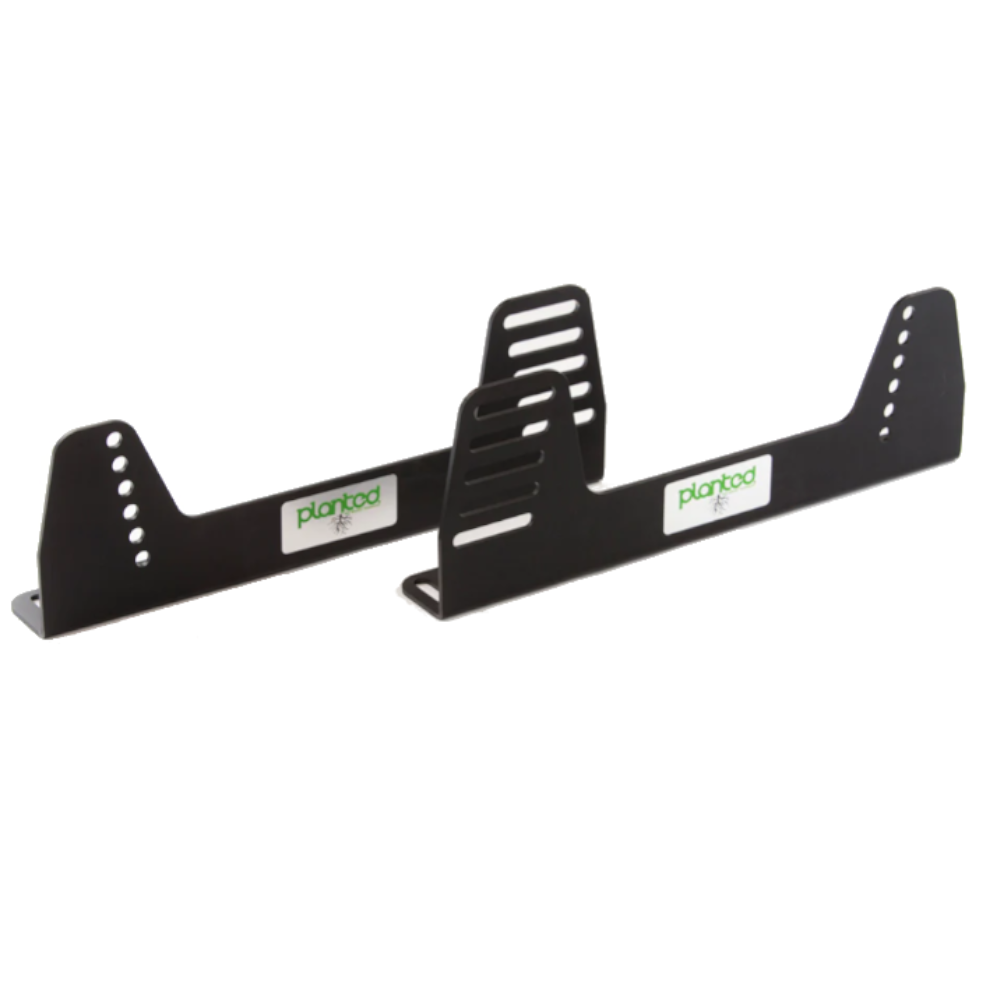
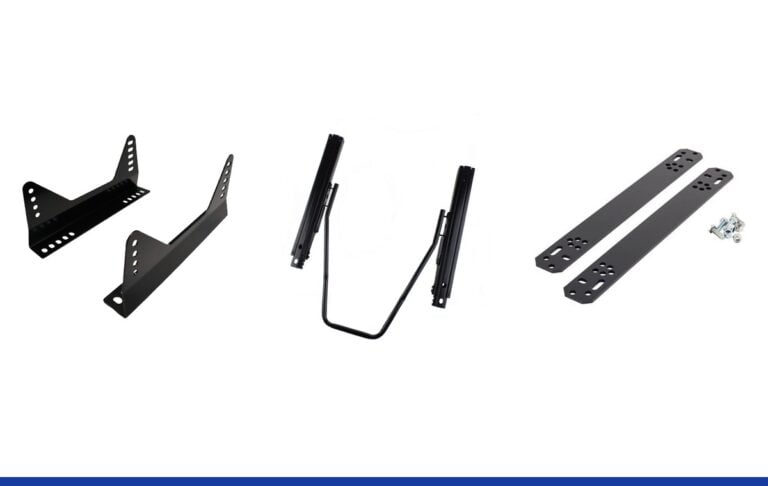
A subframe is the part that bolts to your car’s original seat mounting points and gives the seat something to fix to. It is car specific, so the first thing to get right is the make, model and year. The second is which side of the car it is for.
Most subframes are handedOf the fitting equipment we stock, the large majority are listed as either RHD driver side or RHD passenger side. They are mirror images and they will not swap over. Ordering a pair when you only need one, or the wrong side when you need one, is the most common mistake in this category.
Order in this sequence
1Confirm the seat fixing typeSide mount or base mount. It is on every seat product page and it decides everything after it.
2Find the subframe for your carMake, model and year. Our subframes are vehicle specific, not universal.
3Pick the right sideDriver or passenger. Most are handed and they are not interchangeable.
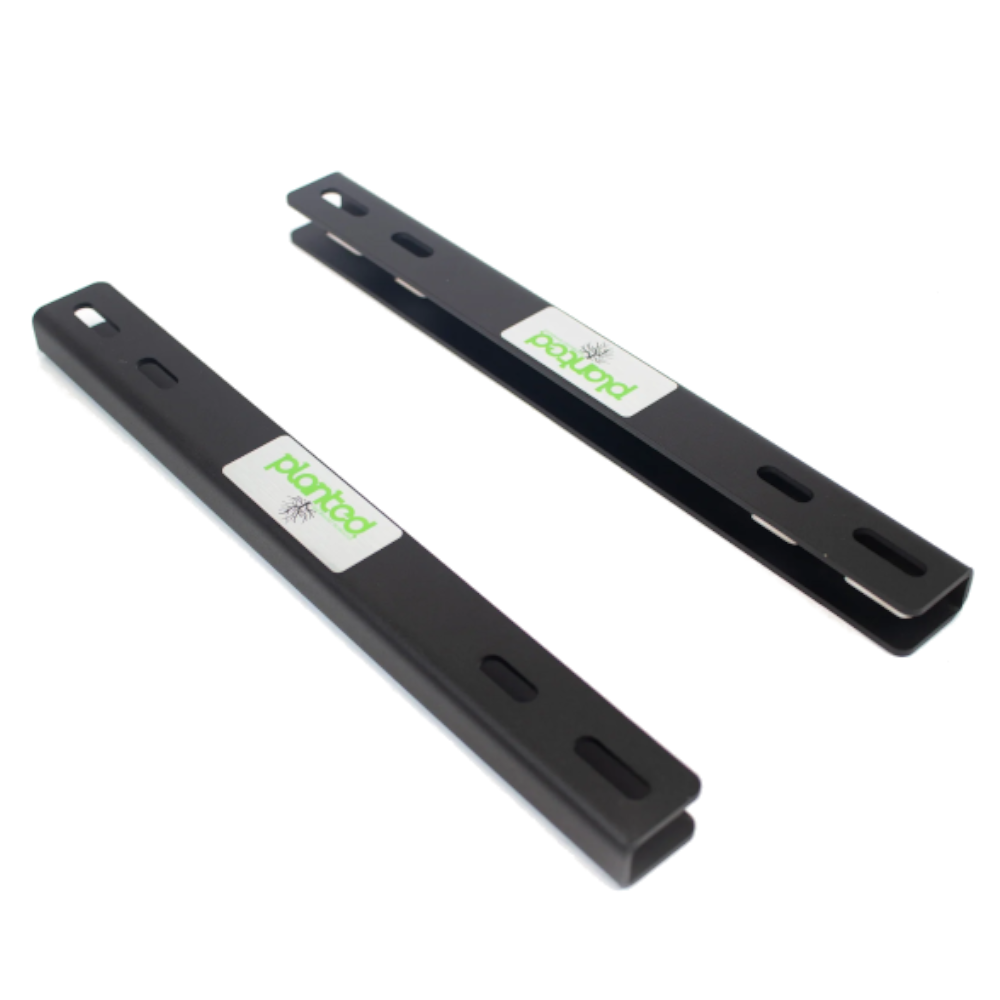
4Add brackets if neededA side mount seat needs side mounts as well as the subframe. A base mount seat may not.
Buying the subframe first is how people end up with parts that will not go together. The seat decides the fixing type, the fixing type decides the brackets, and the car decides the subframe. Work down that chain rather than up it.
Material
For almost every road and track day car, steel is the sensible answer. Aluminium and titanium are worth it where you are chasing weight in a competition car and the regulations allow, and the saving on a pair of subframes is smaller than people expect.
Sliding and fixed
Some subframes are sliding, with the runner mechanism built in, and some are fixed. A sliding subframe is one part rather than a subframe plus separate runners, which is tidier and usually lower. A fixed subframe puts the seat where you bolt it and nowhere else, which is lighter, stiffer and fine if only you drive the car.
If two people share the car, look for a sliding subframe before you look at adding runners on top of a fixed one, because stacking a runner on a subframe raises the seat twice.
Bolt pattern
Where a subframe lists a fixing bolt pattern it will be 291 mm or 345 mm wide. That is the span across the seat’s mounting rails, and it is the same measurement that decides which sliding runner handle you need. If you already know your runner width, you know your bolt pattern.
What the subframe does and does not include
A subframe gets you from the car’s floor to a mounting plane. It does not usually include the side mount brackets that connect a side mount seat to it, and it does not include the seat. Check the product for what is in the box, and read our seat mounting and fixing points guide if you are not sure what else you need.
Check the height before you commitEvery layer you add lifts you: subframe, then runners, then brackets. In a car with a cage and a helmet that is the constraint that bites. If you are tall, work out your total stack height before ordering, and favour a sliding subframe or a low profile bracket over stacking parts.
Cars we cover
The range runs to well over a thousand parts across PCI Racing, Planted Technology, SW Motorsports, M2 Motorsport, Sparco, OMP, Recaro, Corbeau, Cobra and Endurance, covering most common performance cars and a lot of uncommon ones. Search your car rather than browsing, and if you cannot find it, ring us, because we can often get a subframe made for something that is not listed.
Send us the car and the seatMake, model, year, which side, and the seat you have chosen. We will tell you exactly which subframe and brackets you need, and whether a sliding one would suit you better. Call 0115 989 3488 or email Sales@GSMPerformance.co.uk.
All specifications read from our own product data for the fitting equipment categories, checked 2 August 2026.