Which Sparco Evo QRT Seat Is Right For You?
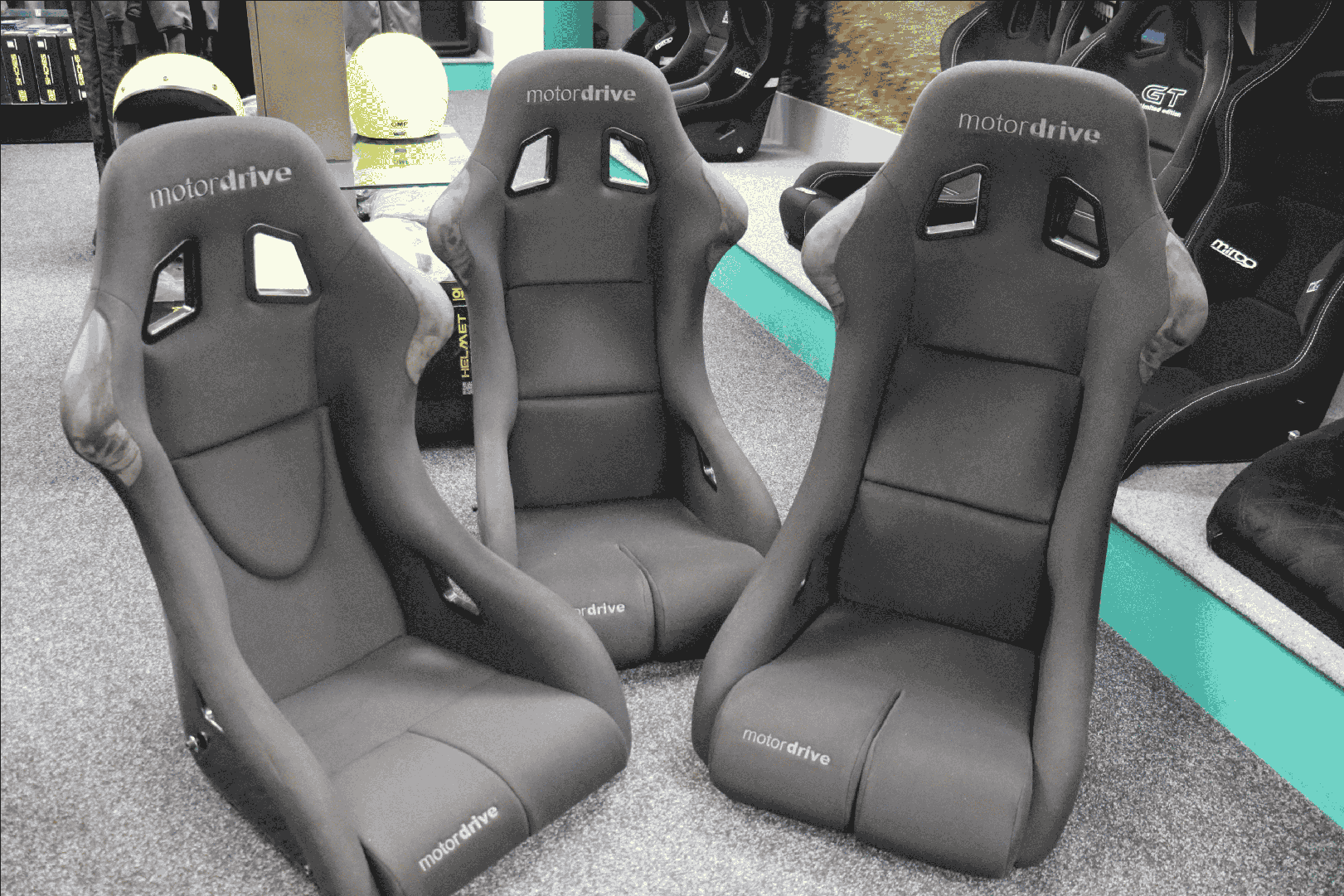
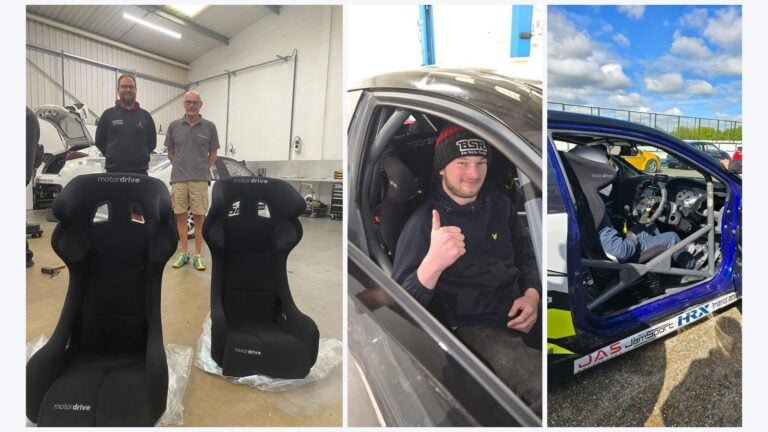
Sparco Evo QRT, Evo L QRT or Evo XL QRT? Compare shoulder width, hip room, seat depth and weight using Sparco’s own dimensions, with all three on display at GSM Performance.
Call Garreth, Cameron & CallyAI: 0115 9893488
FREE UK shipping on orders over £100.00 & FREE gifts on checkout
Call Garreth, Cameron, CallyAI
Today On: 0115 9893488
Click Here For Our Contact Form
💺Reclining adjustable sport seats from just £247.20 Reclining seats💺
📢Customer questions answered daily in our blogs. Read our blogs today📢
🛍️Visit Garreth and Cameron at our Nottingham showroom Visit us today🛍️
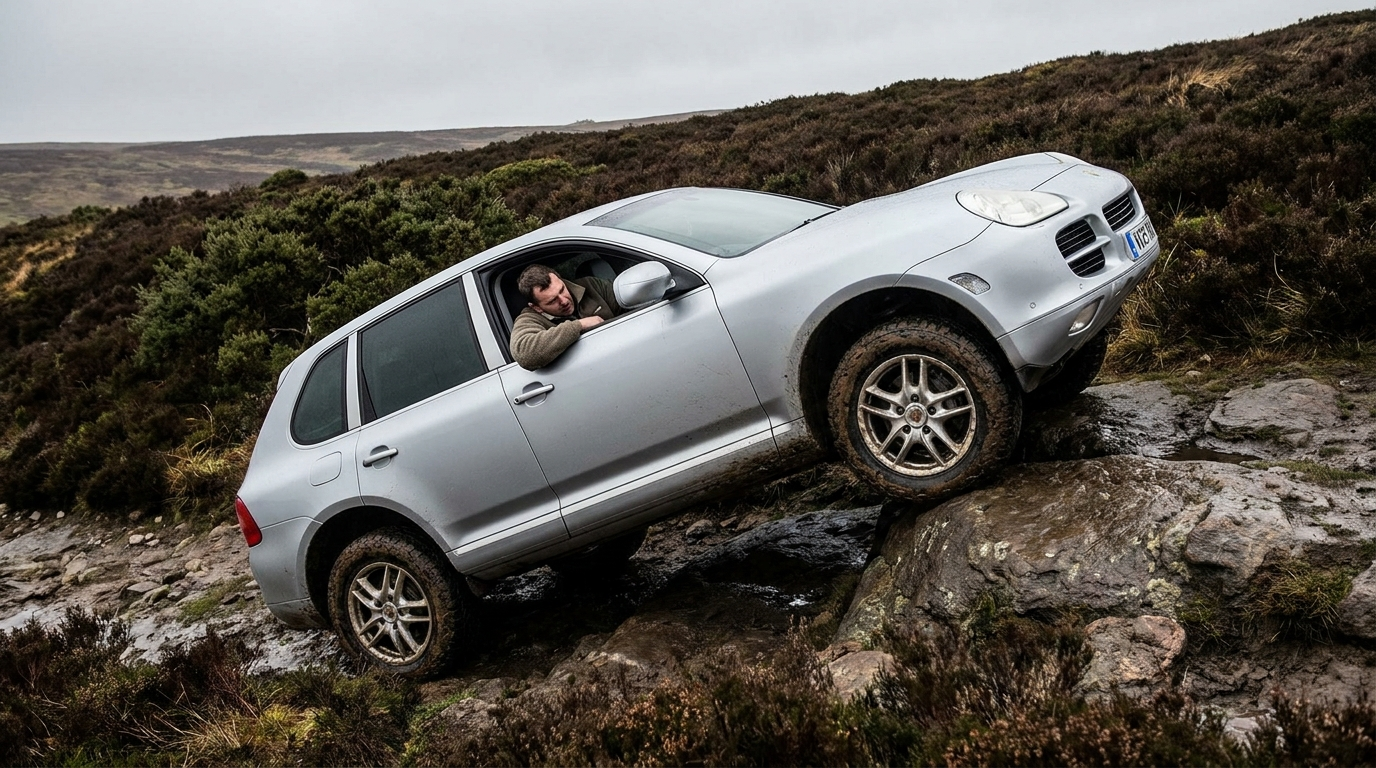
This comes up more than you would think. Somebody rings about seats, I ask what the car is, and the answer is a fifteen year old Porsche Cayenne that has just had a lift kit and a set of all terrains put on it.
It sounds daft until you find out the first generation cars left the factory with a proper low range transfer case, which the one that replaced it did not. That is why the 2002 to 2010 cars have quietly become one of the cheapest ways into a genuinely capable 4×4.
I am Cameron. I am not going to tell you which tyres to buy, because plenty of people cover that better than I could. What I can tell you about is the bit everybody hits last, which is what to put in it to sit on.
Here is the good news, and it shapes this whole guide.
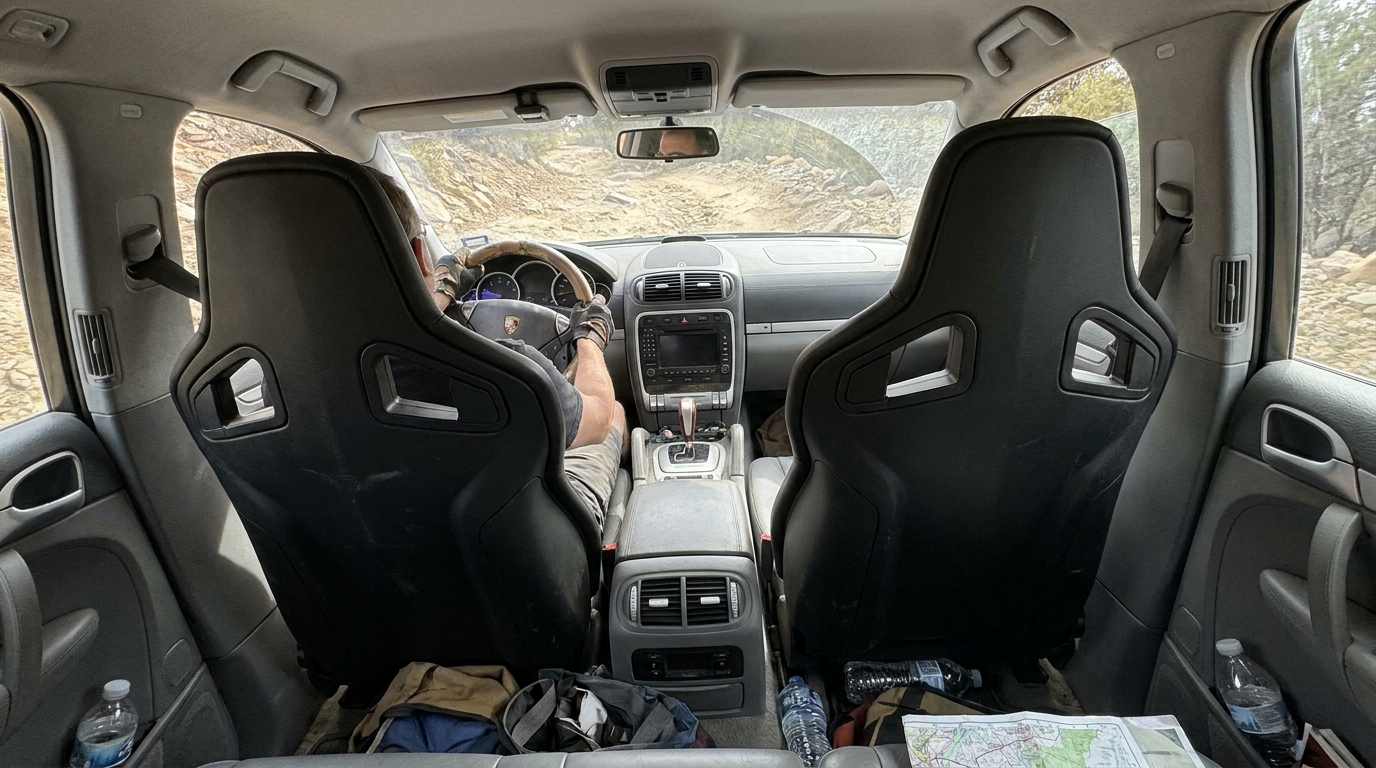
Most of the time when somebody asks me about seats, the conversation is about what will physically fit. Narrow tunnels, close door cards, cage bars in the way. A Cayenne has none of those problems. It is a wide car with a big flat cabin and a lot of room between the driver and the transmission tunnel.
So for once you are not picking the seat that fits. You are picking the seat that suits the job. That is a much better position to be in, and it means nearly everything in our rugged road and rally range is on the table.
Off-road support is a different problem from track support, and it is worth understanding before you look at a single seat.
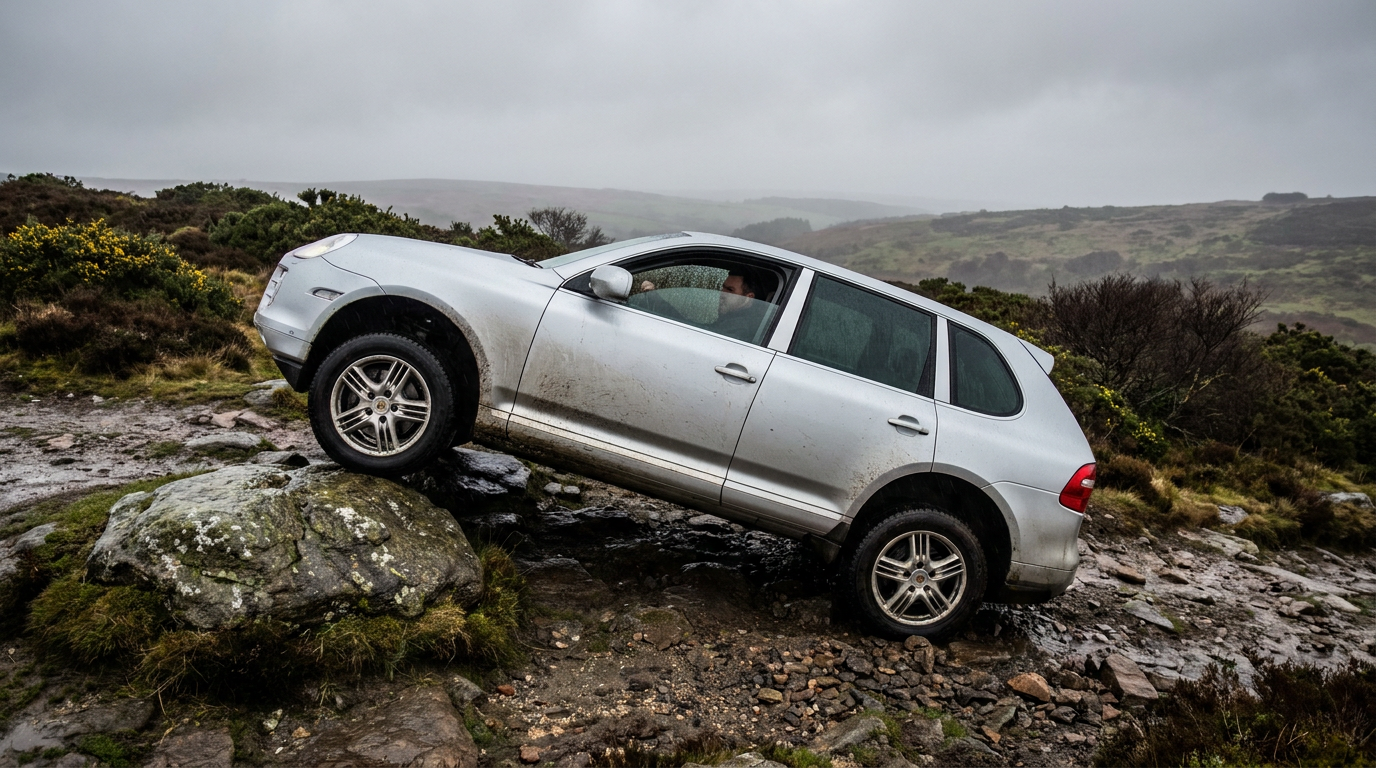
On a circuit you are pushed sideways in smooth, sustained, predictable loads. The seat holds one side of you for a few seconds at a time and then lets go. Off-road you get none of that. You get sharp vertical jolts coming up through the floor, long periods sat over at an angle on a side slope with your whole body weight leaning into one bolster, and a lot of time bracing with your legs because the car is moving in three directions at once.
That means three things matter more than they do on track. Lateral support that works when you are leaning on it for minutes rather than seconds. Padding, because vertical jolts go straight into your spine and a thin race shell will punish you after an hour. And getting in and out, because you will do it a dozen times a day opening gates and checking lines.
That last one is why low base seats keep coming up below. A Cayenne already sits you high. A seat with tall leg bolsters makes climbing in over the sill harder than it needs to be.
So the shortlist rules I would use are these.
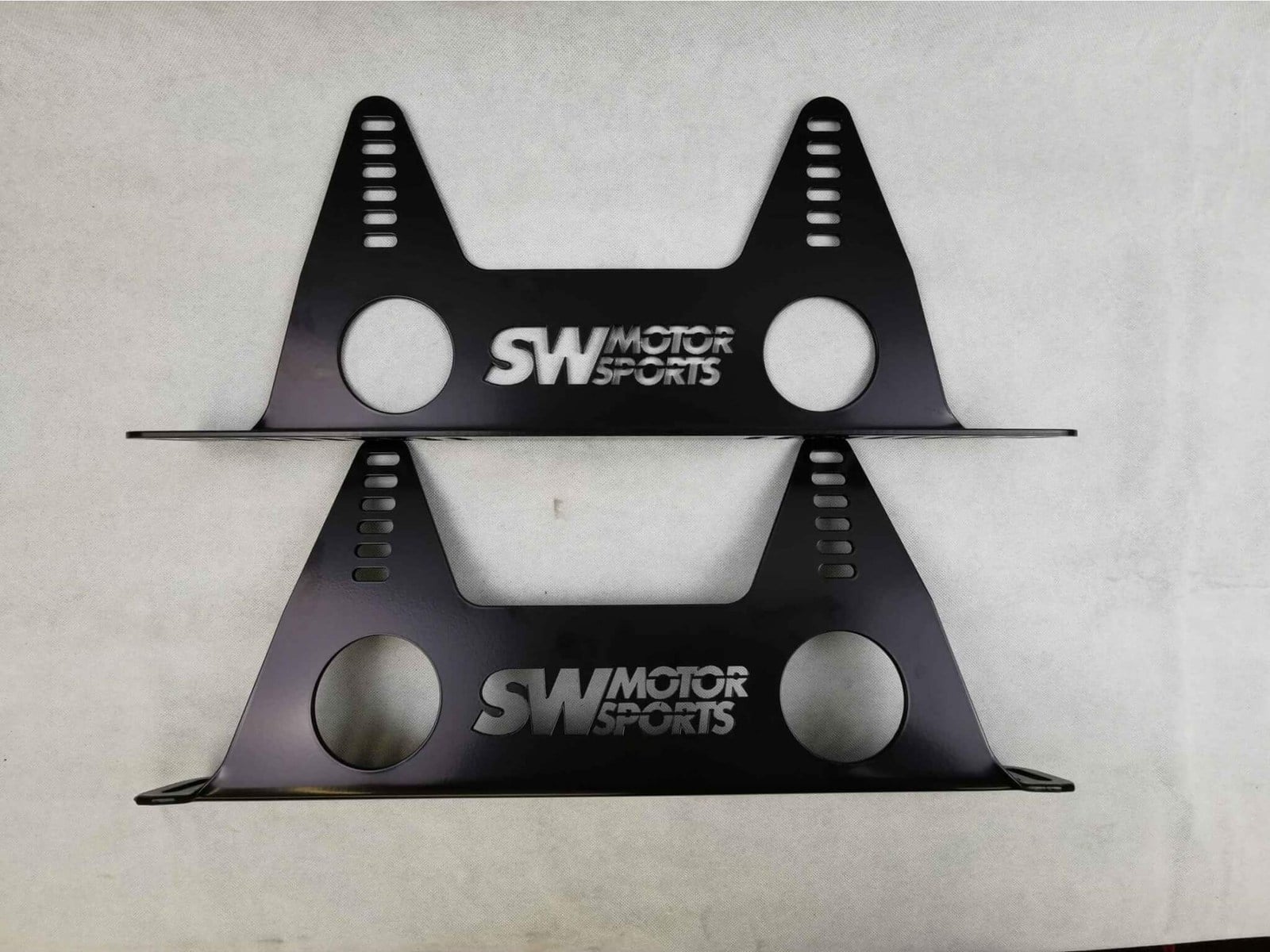
Base mounted, not side mounted. A base mounted seat sits on a subframe on the floor, which is how the Cayenne’s own seats mount. Side mounted race seats need a frame with side rails and that is more fabrication.
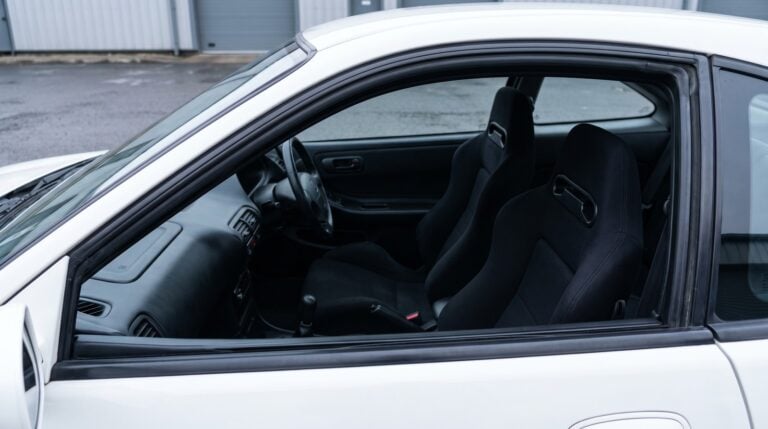
Reclining, unless the car is caged. You want to be able to fold it forward, adjust it for a passenger, and lean back on the drive home.
Vinyl rather than cloth. Wet boots, wet dogs, mud. Vinyl wipes, cloth holds it.
Low base if you can live with it. Easier access, and in a car this tall it costs you very little.
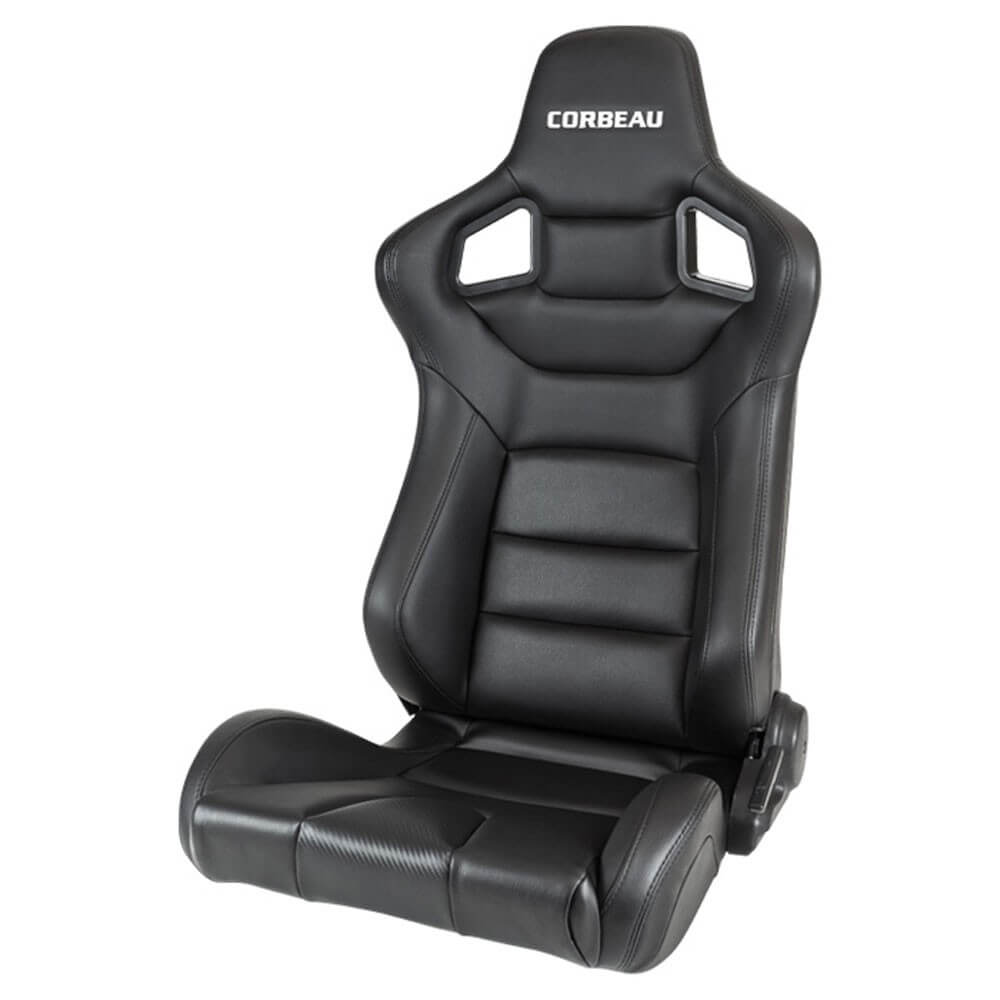
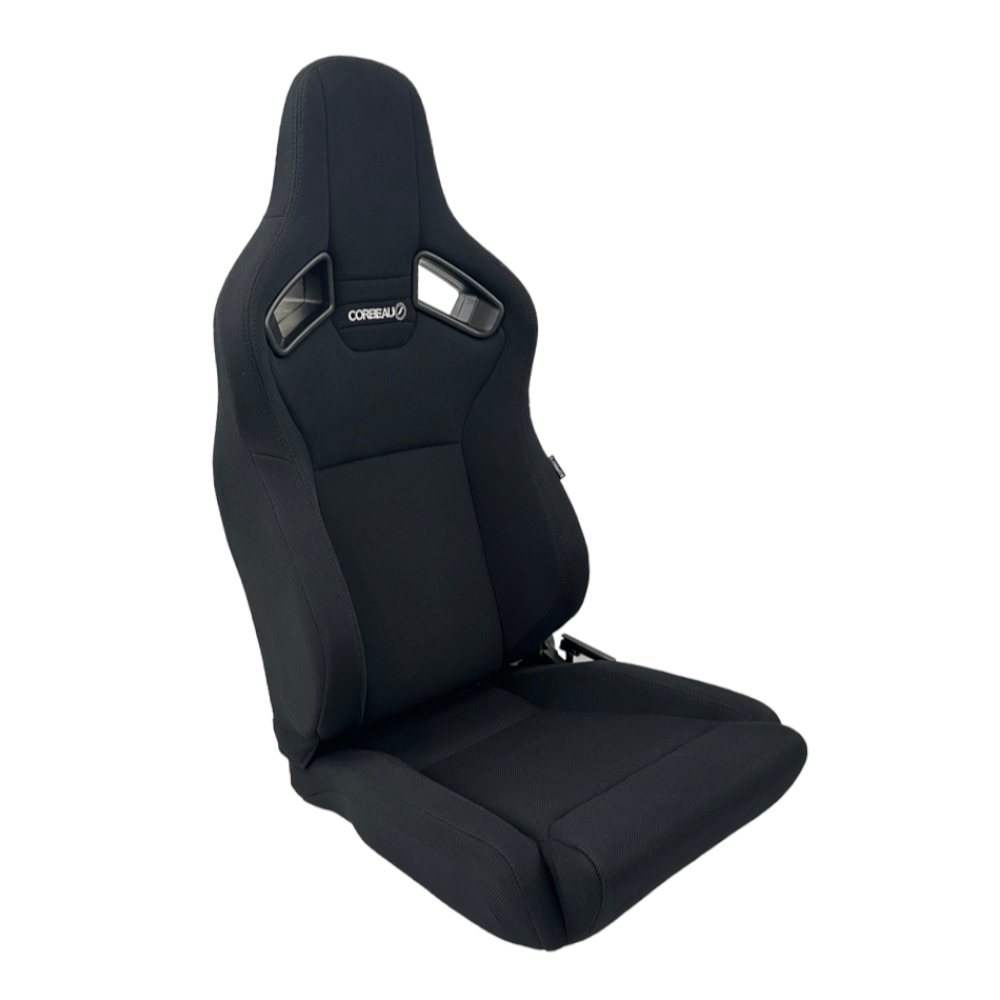
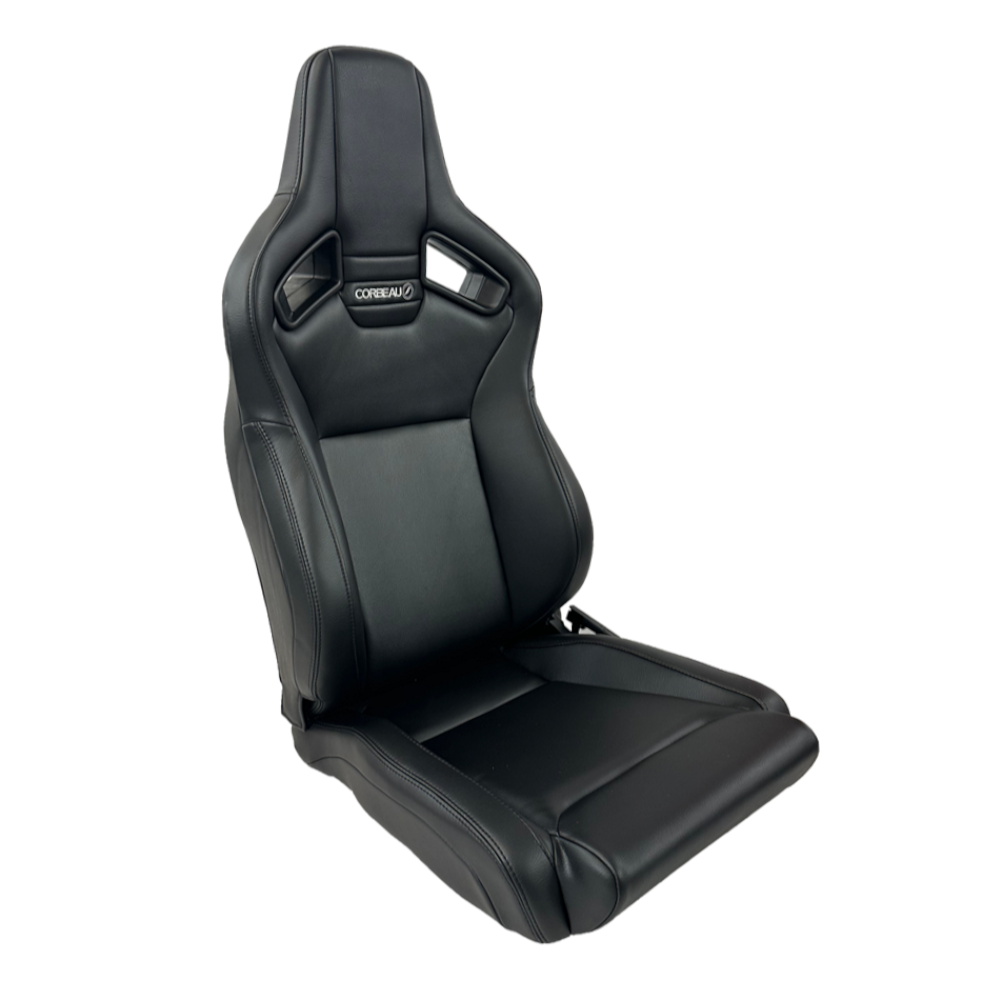
If you make me pick one seat for a Cayenne, this is it, and Corbeau more or less say so themselves. Their own description calls the low base version perfect for 4x4s and vans, or anything where easy access matters.
The Low Base is the standard RRS with the thigh bolsters flattened off. You lose a bit of leg location and you gain the ability to slide across the seat instead of climbing over a ridge every time. In a car with the Cayenne’s sill height that trade is worth making.
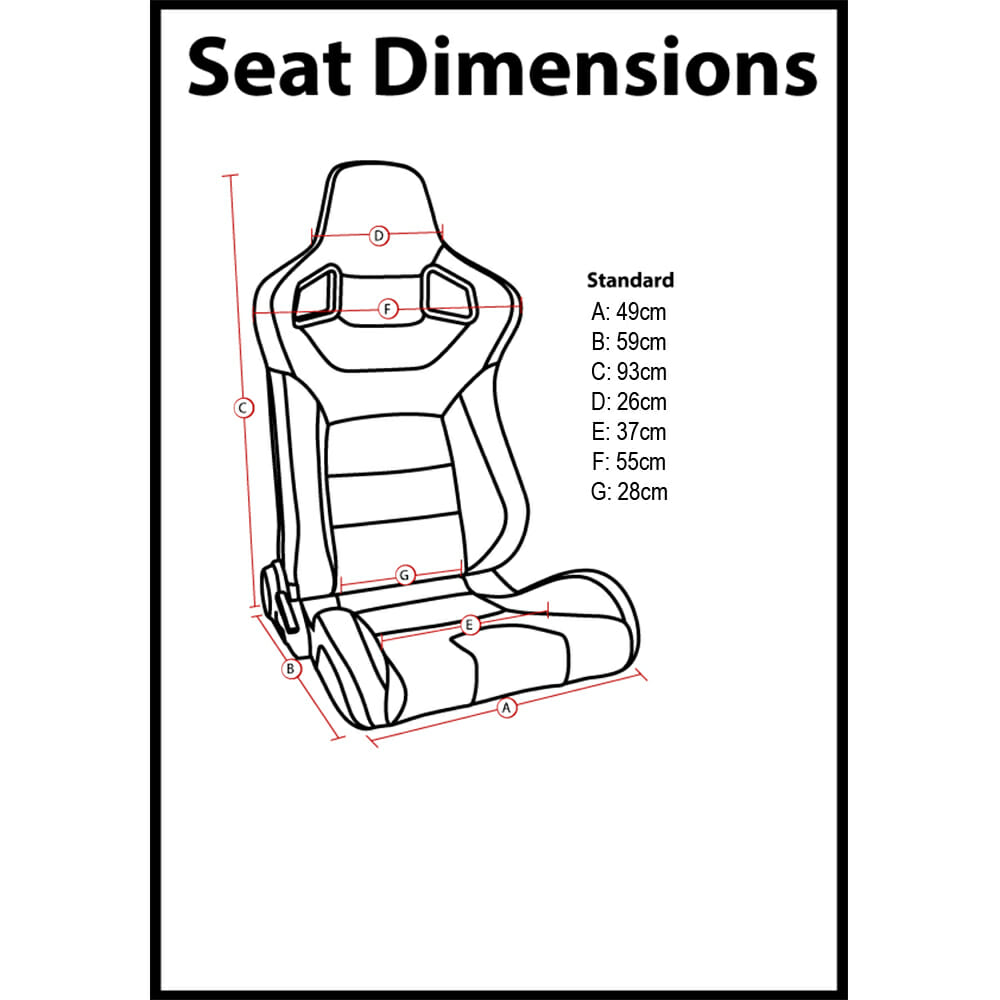
The dimensions are where it earns its place off-road. 550 mm across the shoulders and 930 mm tall, so it is a big seat that will suit a driver in a coat. But the cushion between the base bolsters is 370 mm and the hip width is 280 mm, which means it still grips you where it counts. That is the combination you want: roomy up top, snug at the hips, so a side slope pushes you into the bolster instead of sliding you off the cushion.
It takes the 345 mm x 271 mm base mount pattern, which is the same pattern half our range uses.
Key features
Same seat, thigh bolsters left on.
Everything in the section above applies, with one difference: the standard RRS holds your legs properly. On a long day of rough ground that matters more than you would think, because your thighs are doing a lot of the bracing and a flat cushion lets them wander.
The reason I list it second rather than first is purely access. If your Cayenne is lifted and you are climbing in over a bigger sill a dozen times a day, you will curse the bolsters. If it is a mildly modified car and you mostly get in at the start and out at the end, take the standard one and enjoy the extra location.
Worth knowing it is sold as a pair at this trim level, which for a two seat swap is usually what people want anyway.
Key features
The VLS is Corbeau’s newest reclining shell and the Low Base version is aimed squarely at exactly this job. Their words are torso bolsters for lateral support and low sided leg bolsters to make getting in and out of high vehicles effortless. That is a Cayenne described without naming it.
Where it differs from the RRS is the shape of the support. The RRS wraps you fairly evenly. The VLS concentrates the grip higher up, around your ribs, and leaves the leg area open. On a side slope that is a genuinely different feel and some drivers much prefer it, because the seat is holding your upper body where the leverage is rather than pinning your thighs.
It is also the cheapest way into a proper reclining sport seat here, which matters when you are buying two.
Corbeau do not publish a full dimension drawing for the VLS the way they do for the RRS, so I am not going to print numbers I cannot show you. What I can tell you is that it takes the same base mount patterns and suits the same 32in to 38in waist range.
Key features
The Boss Evo 2 is the simple one, and in an off-road car simple is not a criticism.
The design traces back to the original Corbeau Boss and it has survived because it does the basics properly. Integrated headrest, moderate bolsters, vinyl over a steel frame, and not much else to go wrong. There are no clever mechanisms to fill with grit and no fabric panels to hold water.
It is the seat I would put in a car that is genuinely getting used and occasionally abused, rather than one that gets photographed. If your Cayenne is the one that tows a trailer, carries dogs and does green lanes at the weekend, this is a sensible place to spend your money.
Like the standard RRS it is sold in pairs, and it is part of our Speed+ service so it is in stock rather than on order.
Key features
This is the outlier and it is here for one reason: it is the only seat in the range with a fully waterproof cover.
If your Cayenne has a cage in it, or the roof comes off, or it genuinely gets driven through water and then left outside, a normal trimmed seat will eventually go mouldy. The Evo QRT X uses the same fibreglass shell as the standard Sparco Evo but with a waterproof cover and non-slip material in the areas your body actually presses against.
It is a fixed back competition seat, so you lose the recline and you need side mounts rather than a base subframe. In exchange you get FIA 8855-1999 approval, HANS compatibility, six point harness slots and 6.8 kg.
The useful part for a Cayenne is that it comes in three shell sizes. The standard Evo is 580 mm across the shoulders and 900 mm tall, the Evo L is the same 580 mm but longer in the base at 570 mm, and the Evo XL opens up to 615 mm across the shoulders and 930 mm tall. In a cabin this wide you can take the XL without thinking about it, which is not true in most cars.
We went through all three shells properly in our Sparco Evo QRT sizing guide if you want the full numbers.
Key features
The numbers I can show you are below. Corbeau publish a full dimension drawing for the RRS and Sparco publish theirs for the Evo shells, so those are exact. Where a manufacturer does not publish a figure I have left it out rather than estimated it.
| Corbeau RRS / RRS Low Base | Corbeau VLS Low Base | Corbeau Boss Evo 2 | Sparco Evo QRT X | |
|---|---|---|---|---|
| Type | Reclining | Reclining | Reclining | Fixed back |
| Mounting | Base mount | Base mount | Base mount | Side mount |
| Overall height | 930 mm | Not published | Not published | 900 to 930 mm by size |
| Shoulder width | 550 mm | Not published | Not published | 580 to 615 mm by size |
| Base width | 590 mm | Not published | Not published | Not comparable, side mount |
| Cushion width | 370 mm | Not published | Not published | Not published |
| Waist range | 32in to 38in | 32in to 38in | 32in to 38in | 34in to 38in by size |
| Trim | Vinyl, cloth or leather | Leatherette or leather | Vinyl | Waterproof cover |
| Harness | 4 point | 4 point | 4 point | 6 point |
| FIA approved | No, road and track | No, road and track | No, road and track | Yes, 8855-1999 |
| Bolt pattern | 345 x 271 or 291 x 330 | 345 x 271 or 291 x 330 | 345 x 271 or 291 x 330 | Side rails |
Two things to know before you order, because they catch people out.
The seats have airbags in them. The front seats in a 955 or 957 have a side airbag built into the seat and a weight based occupancy sensor in the base cushion. Take them out and the airbag warning light comes on and stays on, which is an MOT failure, and a modification that disables an airbag has to be declared to your insurer. It does not stop you changing the seats, it just means the job is bigger than four bolts. Our guide on installing bucket seats in cars with side airbags covers how it is normally handled.
There is no bolt-in Cayenne kit. We stock one Cayenne specific part, a Recaro subframe that fits Recaro seats and nothing else. For everything above you are either adapting the factory seat pedestal or having a subframe made. The Cayenne never had an aftermarket seat market because until recently nobody modified them, and the off-road scene got there faster than the parts industry did.
That means this is a conversation rather than a click. Send us photos of your mounts with the seat out, tell us which seat you want, and we will tell you honestly whether it is a simple adaption or a fabrication job.
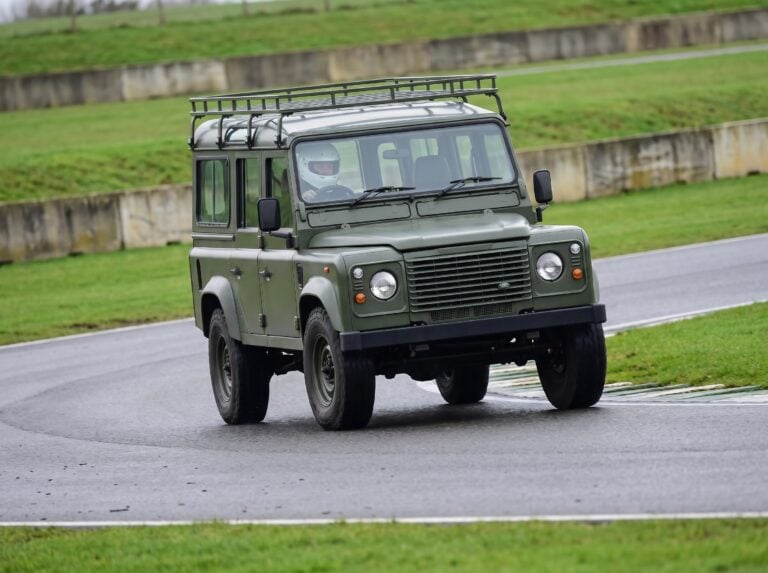
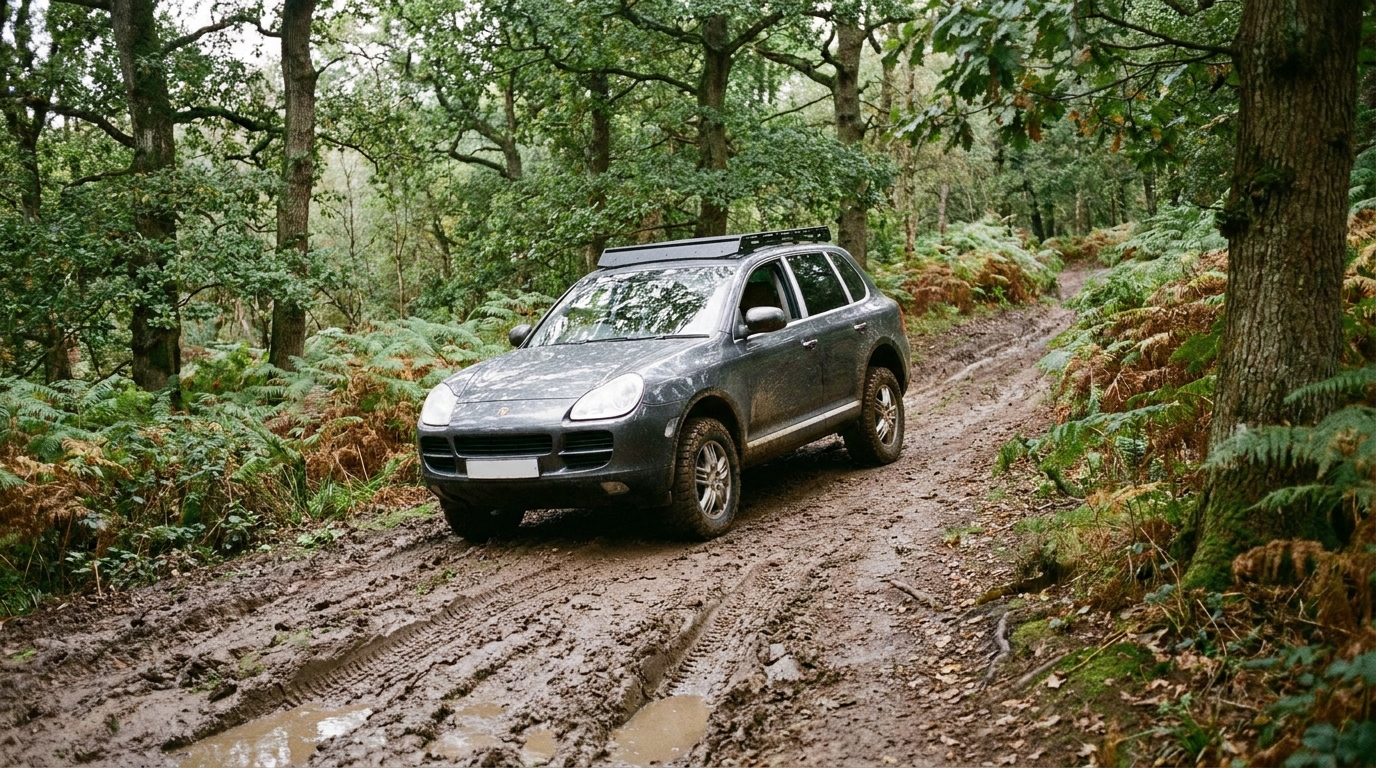
The Cayenne shots on this page are illustrations rather than photographs of a customer car. We do not have one on the ramp, and I would rather say so than let you assume otherwise. The seat photographs are our own.
One thing I will talk you out of.
People building an off-road Cayenne often want a four or five point harness in it. In a car with a standard roof and no roll cage, I would not fit one.
A harness holds you rigidly upright. Inside a cage that is exactly right. In a car that ends up on its roof it is the opposite of what you want, because the roof comes down and you have nowhere to go. With a normal three point belt you can slump sideways. Rollovers are the most likely way an off-road day goes wrong and they happen slowly, on a slope, not at speed.
There is also the mounting. Harness anchor points have to go to a cage or a proper harness bar, never to the seat frame or through the floor pan. A harness bolted to sheet metal will tear out at exactly the moment you needed it.
So for a green laning Cayenne: keep the factory three point belt and put the money into the seat. If the car is going to compete and it will have a cage, then the Evo QRT X and a six point harness make sense, but the cage comes first.
Reduced to four lines.
Lifted car you climb in and out of all day: RRS Low Base or VLS Low Base. Mildly modified car where you want maximum leg location: standard RRS. A working car that tows, carries dogs and gets abused: Boss Evo 2. A caged car, or one that genuinely gets wet inside: Sparco Evo QRT X, in the XL shell if you want the room.
The short version is that the Cayenne is one of the easier cars to seat properly, because for once you are not fighting the cabin. A wide floor, plenty of shoulder room and a sensible mounting position mean nearly the whole rugged range is available to you.
Pick a low base reclining seat in vinyl, keep the factory belt, and budget for the subframe and the airbag side of the job rather than being surprised by it. That is the build that works.
Send us photos of your seat mounts with the seats out and tell us what the car is used for. We will tell you straight whether it is a simple adaption or a fabrication job, and if the honest answer is that you would be better off retrimming what you have, we will say that too. Ring us and ask for Cameron.
The full range is on the rugged road and rally seats page.

Sparco Evo QRT, Evo L QRT or Evo XL QRT? Compare shoulder width, hip room, seat depth and weight using Sparco’s own dimensions, with all three on display at GSM Performance.

R100, R100 Vinyl, R100 Martini, R333, R500 or GT? Sparco’s own dimensions for all four shells, drawn to scale, with driver fitment notes from our showroom.

The Cayenne has a wide cabin, so seat choice is about what suits the job rather than what fits. The rugged seats worth fitting, with dimensions and why they work off-road.

Updated Sparco 6 Point Racing Harness Range for 2026 As the 2026 motorsport season approaches, Sparco has updated and expanded its range of FIA-approved 6-point

The Complete Guide to Safety Devices Roll Cages for Citroën Models Safety Devices has built a strong reputation within the motorsport industry for producing some

Discover the Auto Style Type AK Reclining Sports Seat At GSM Performance, we’re always looking for well-balanced seating solutions that cater to both comfort and
On all orders above £100
Try before you buy
Aftership Tracking Updates