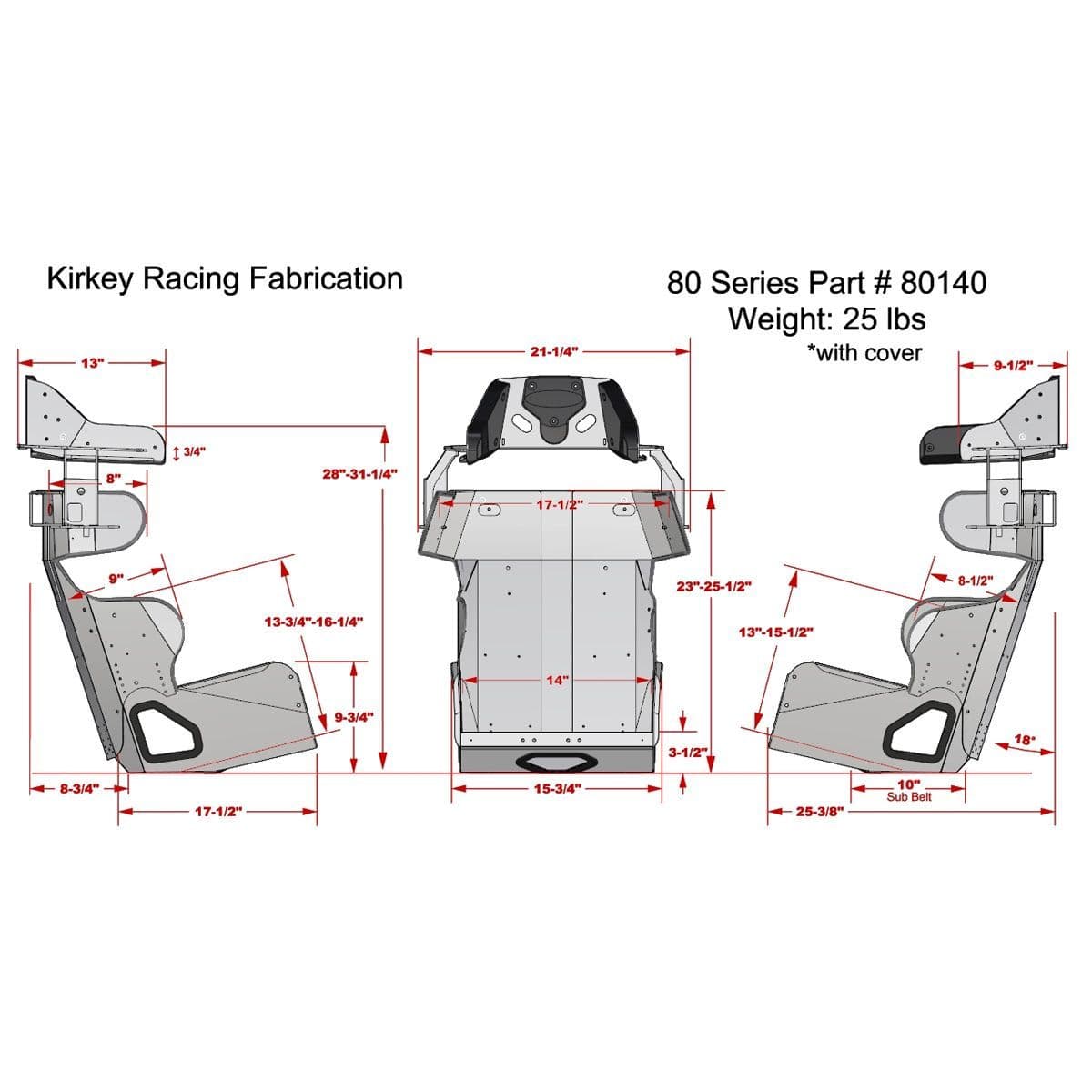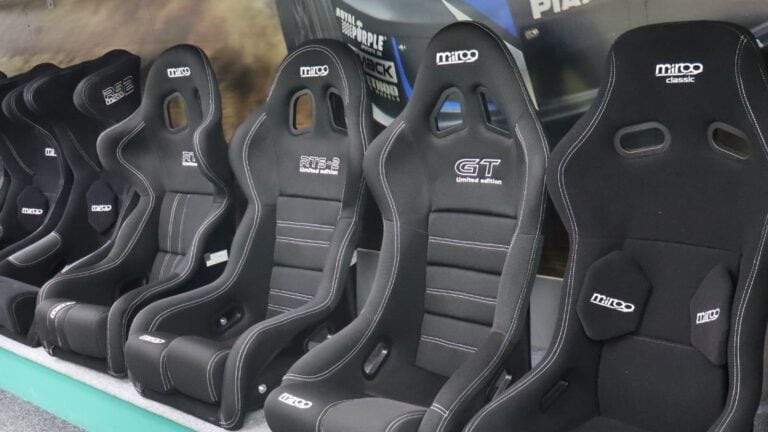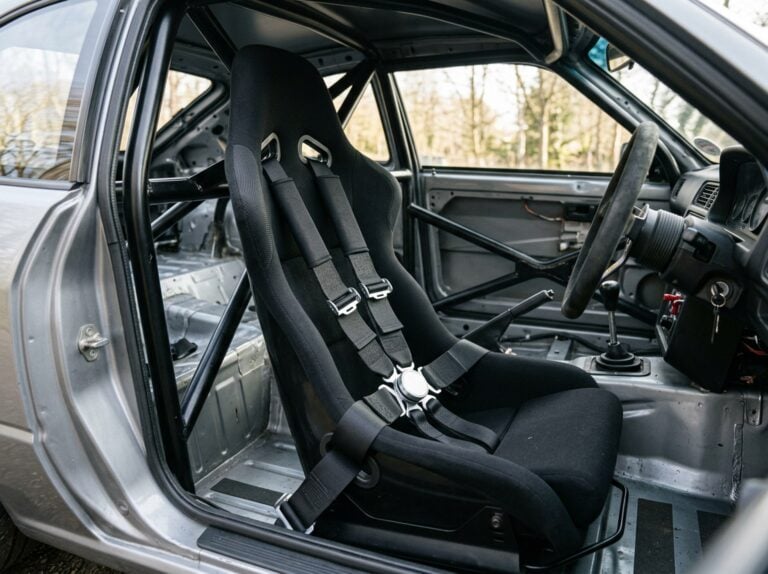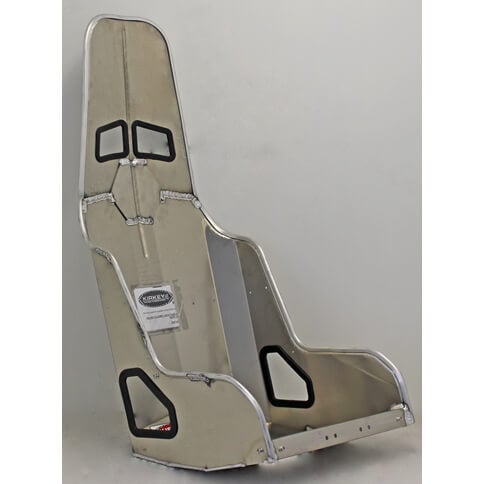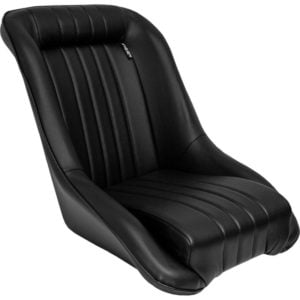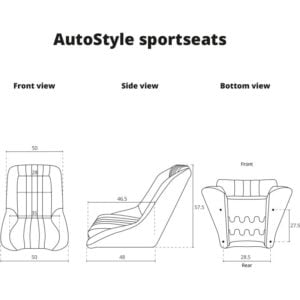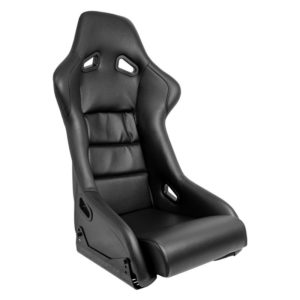


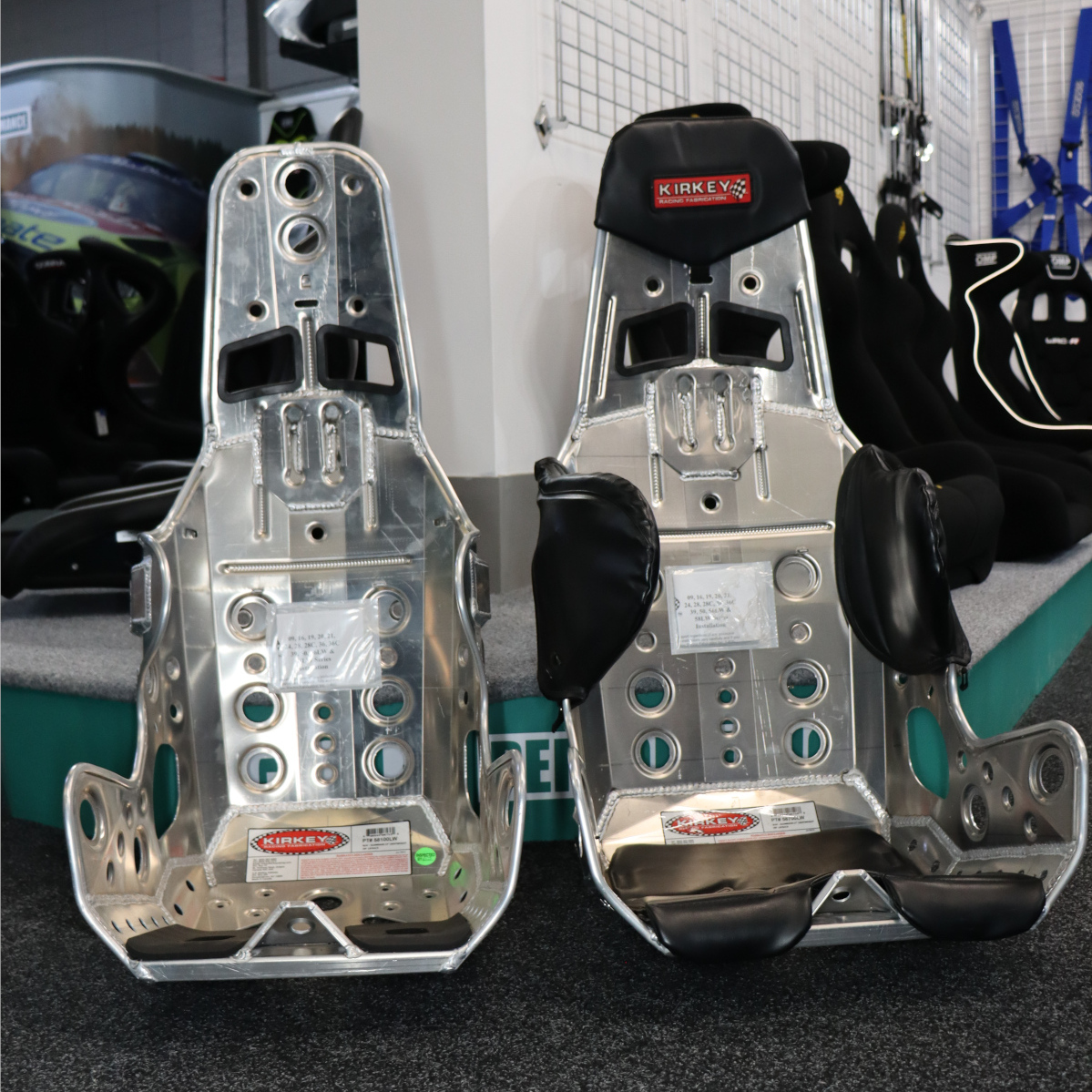
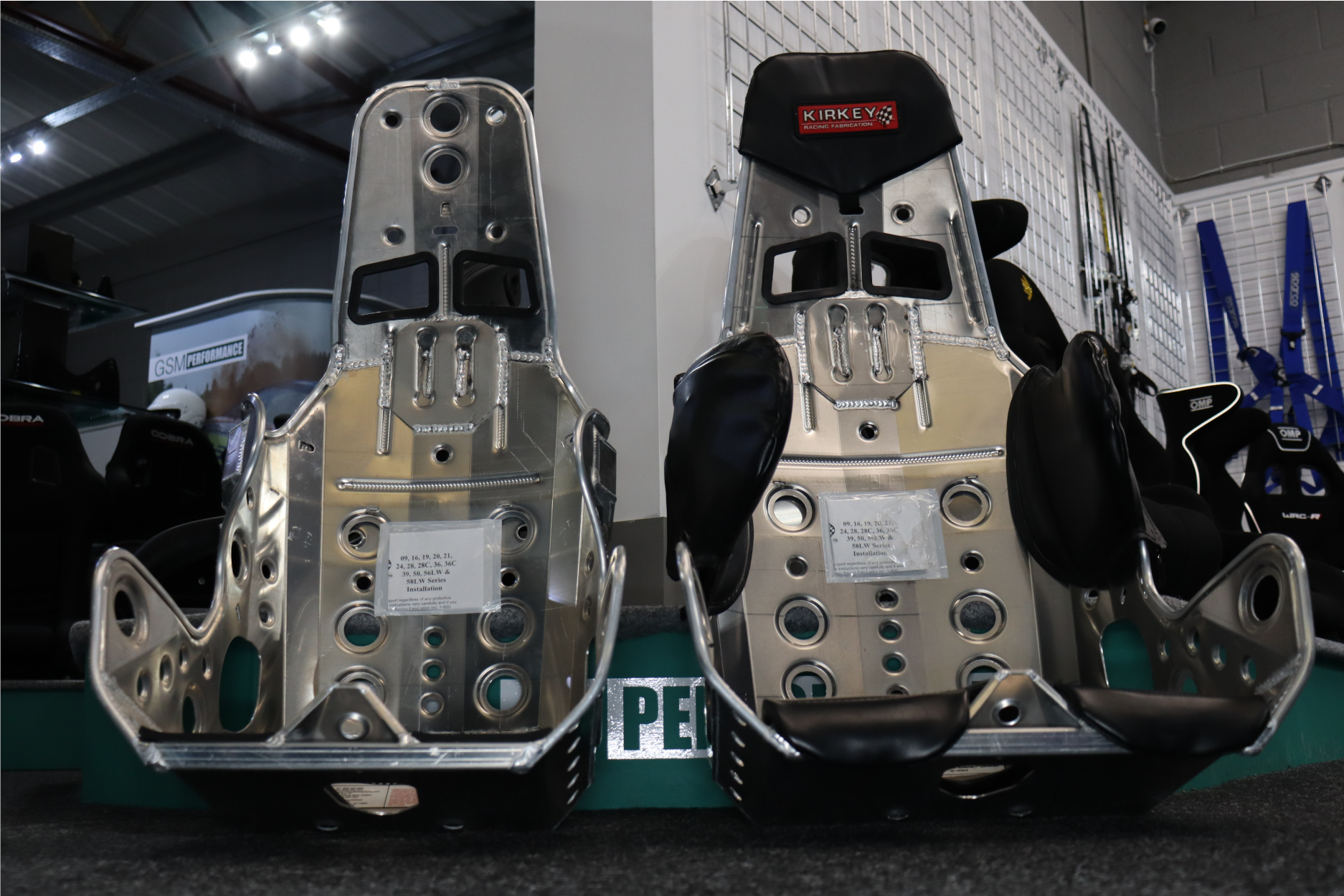
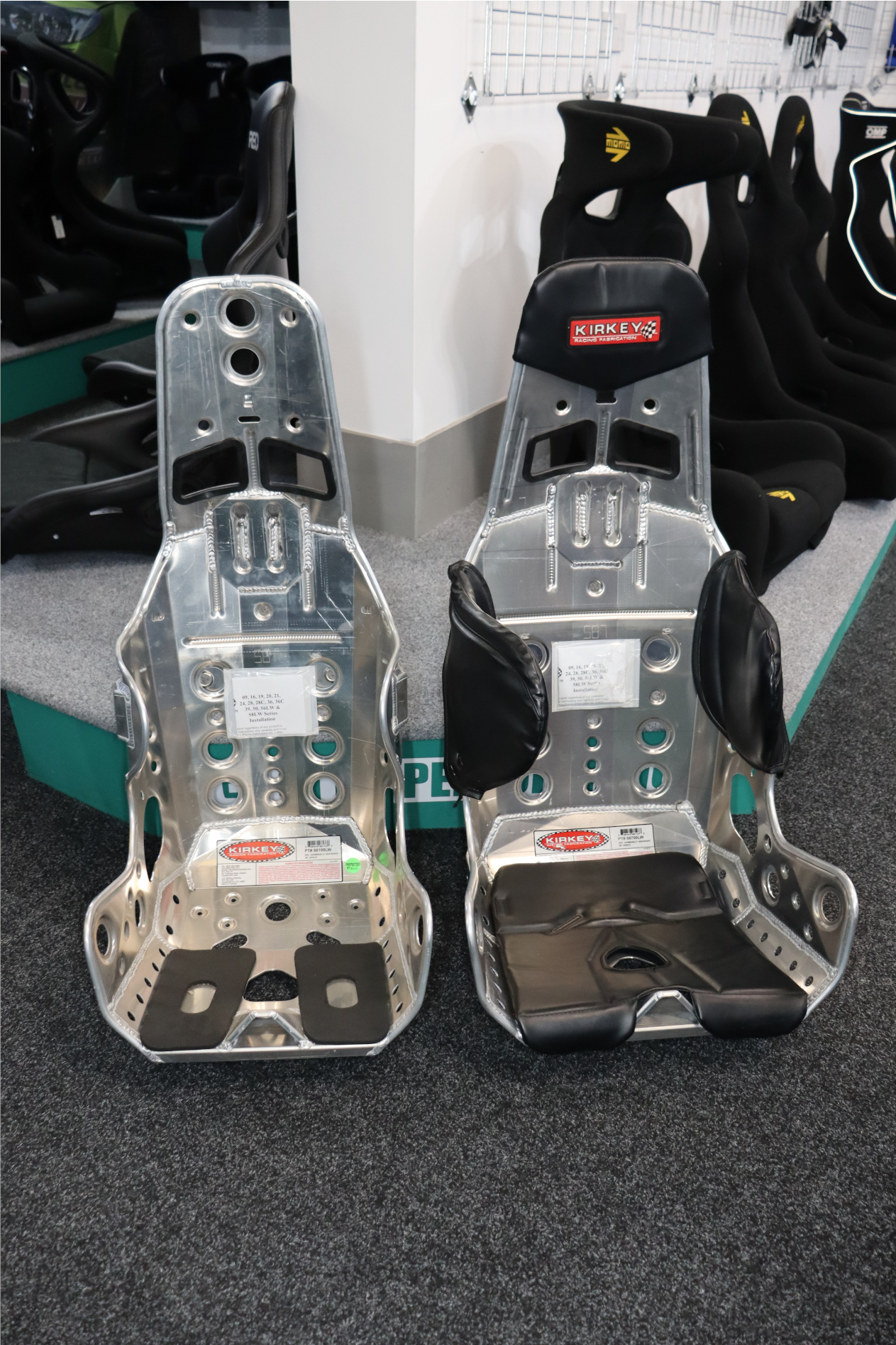
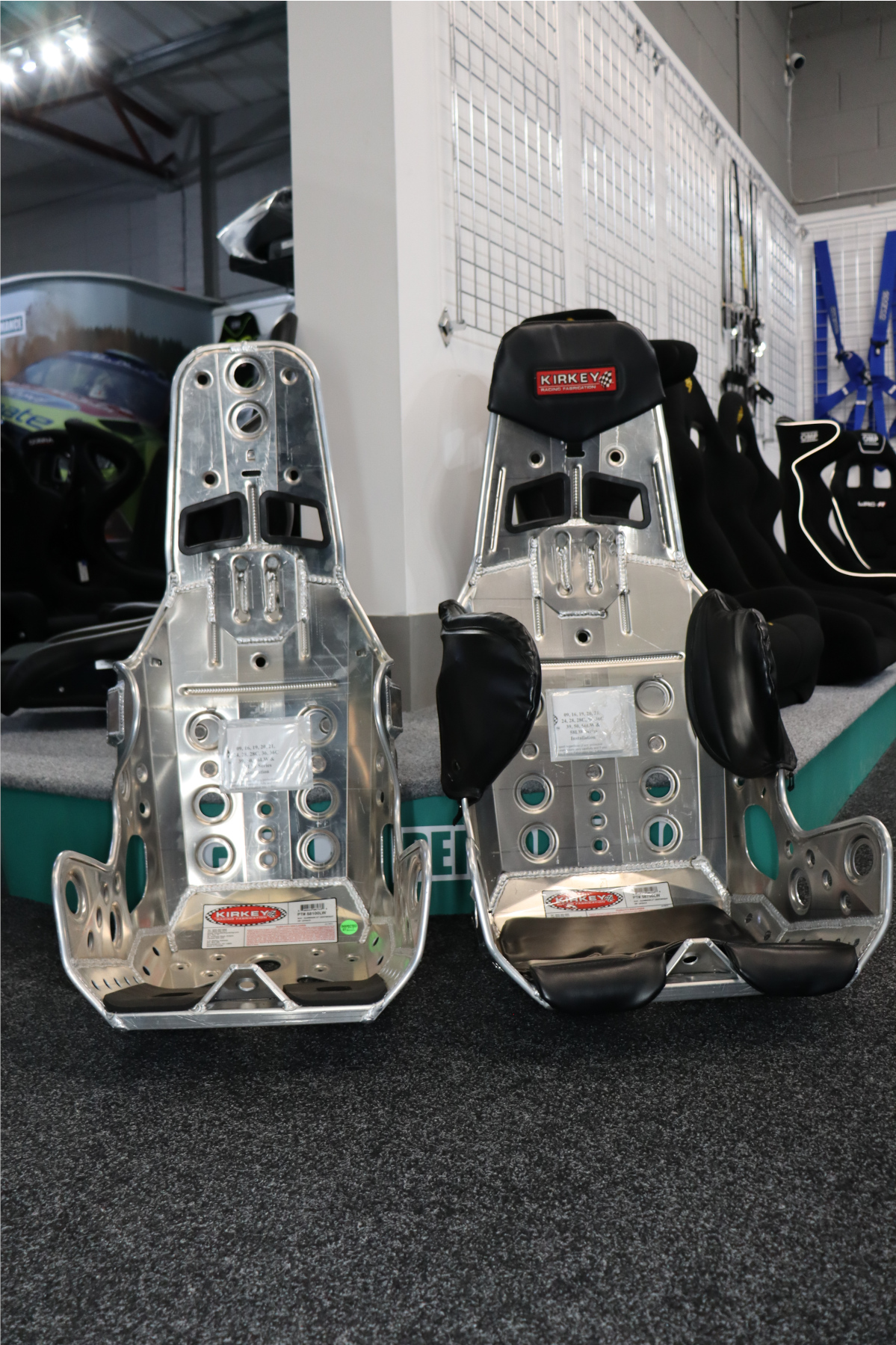
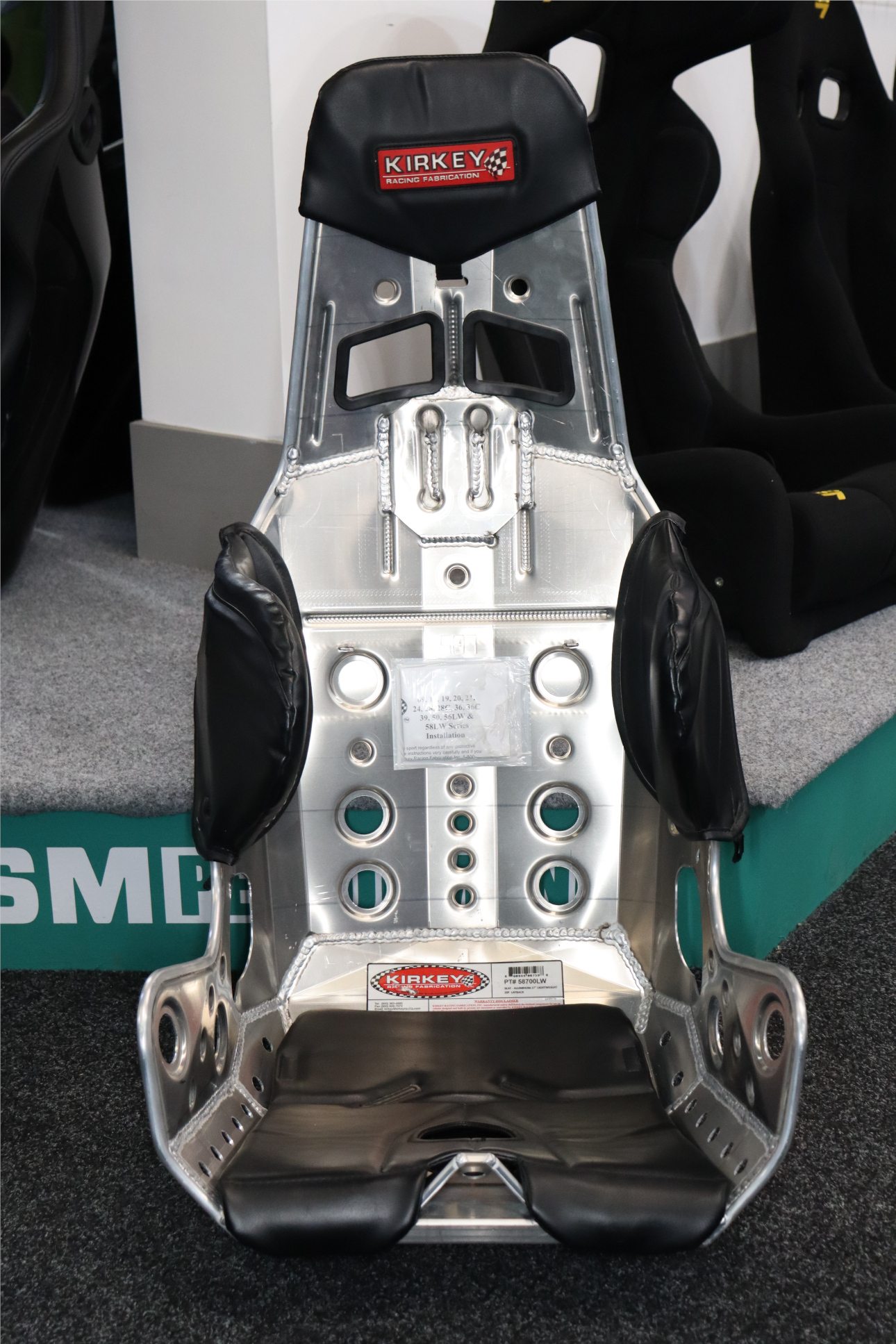
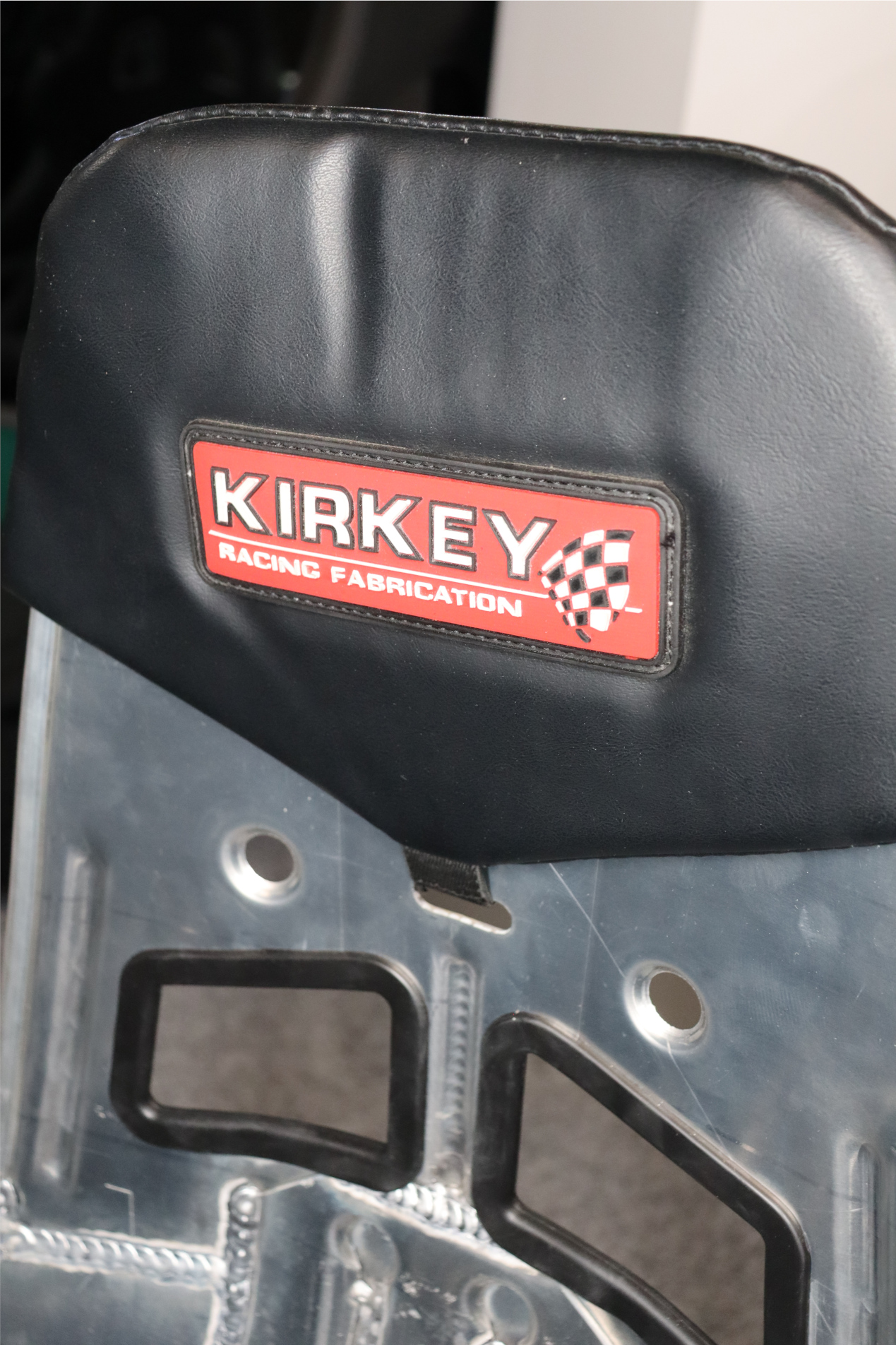
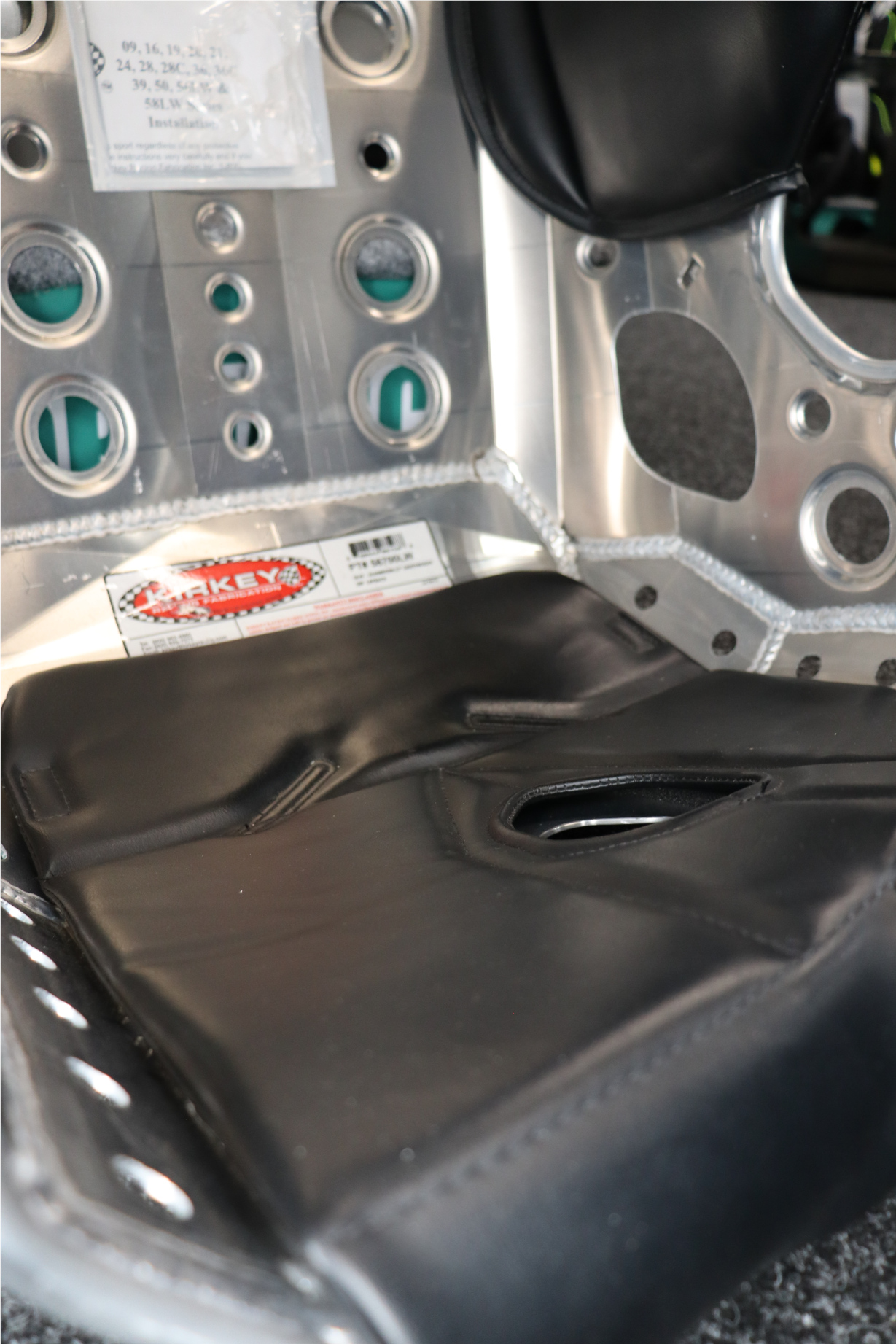
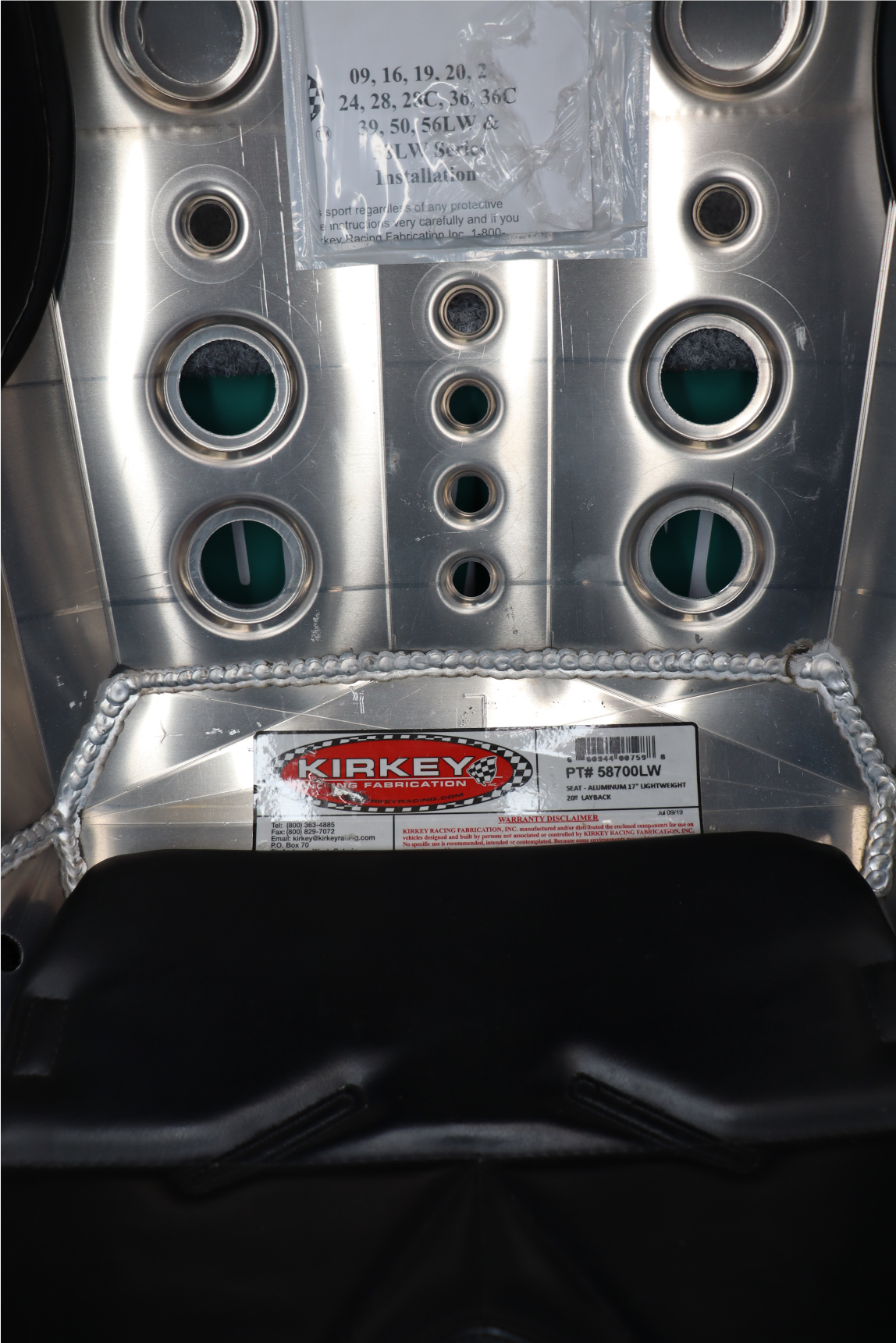
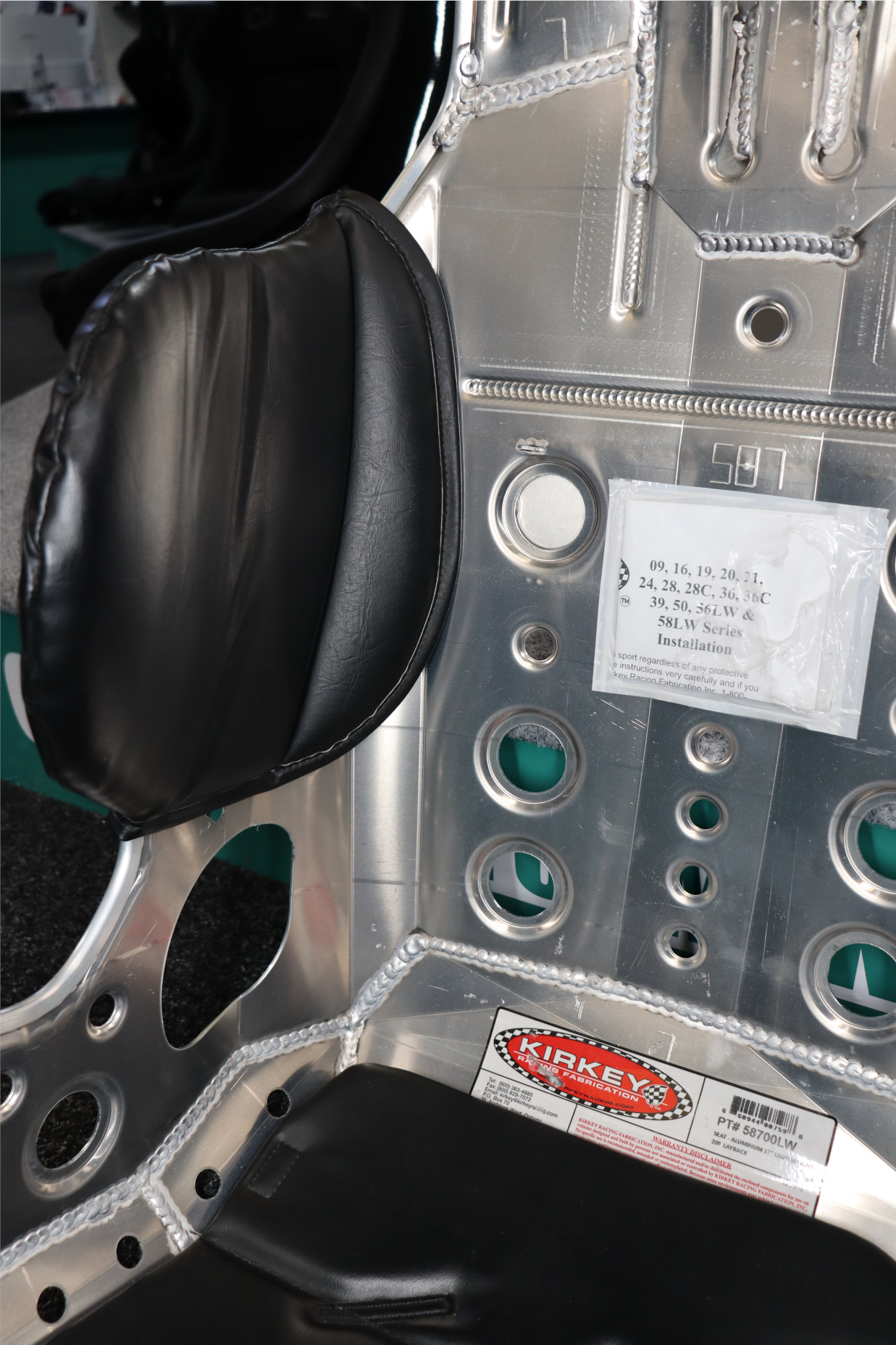
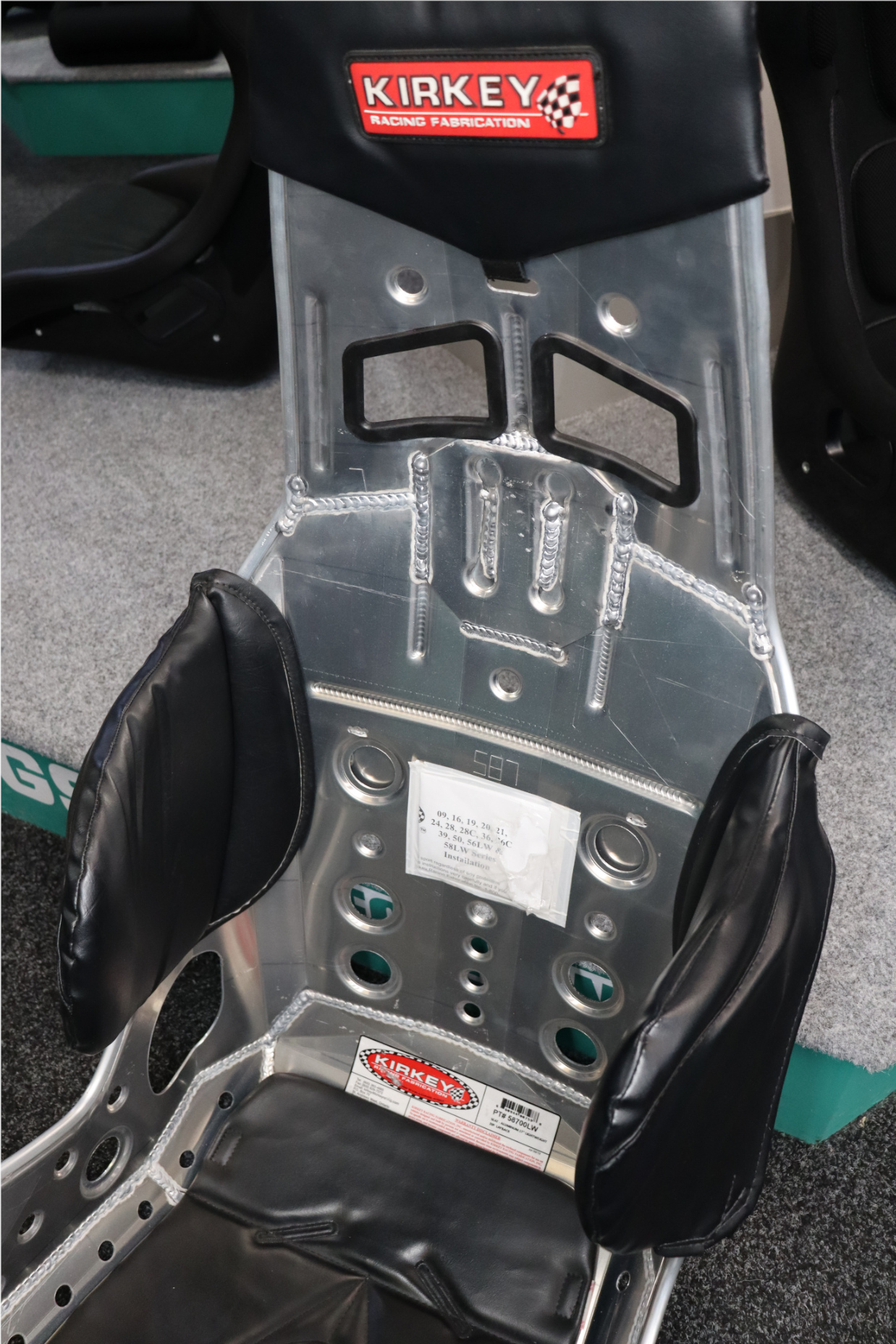
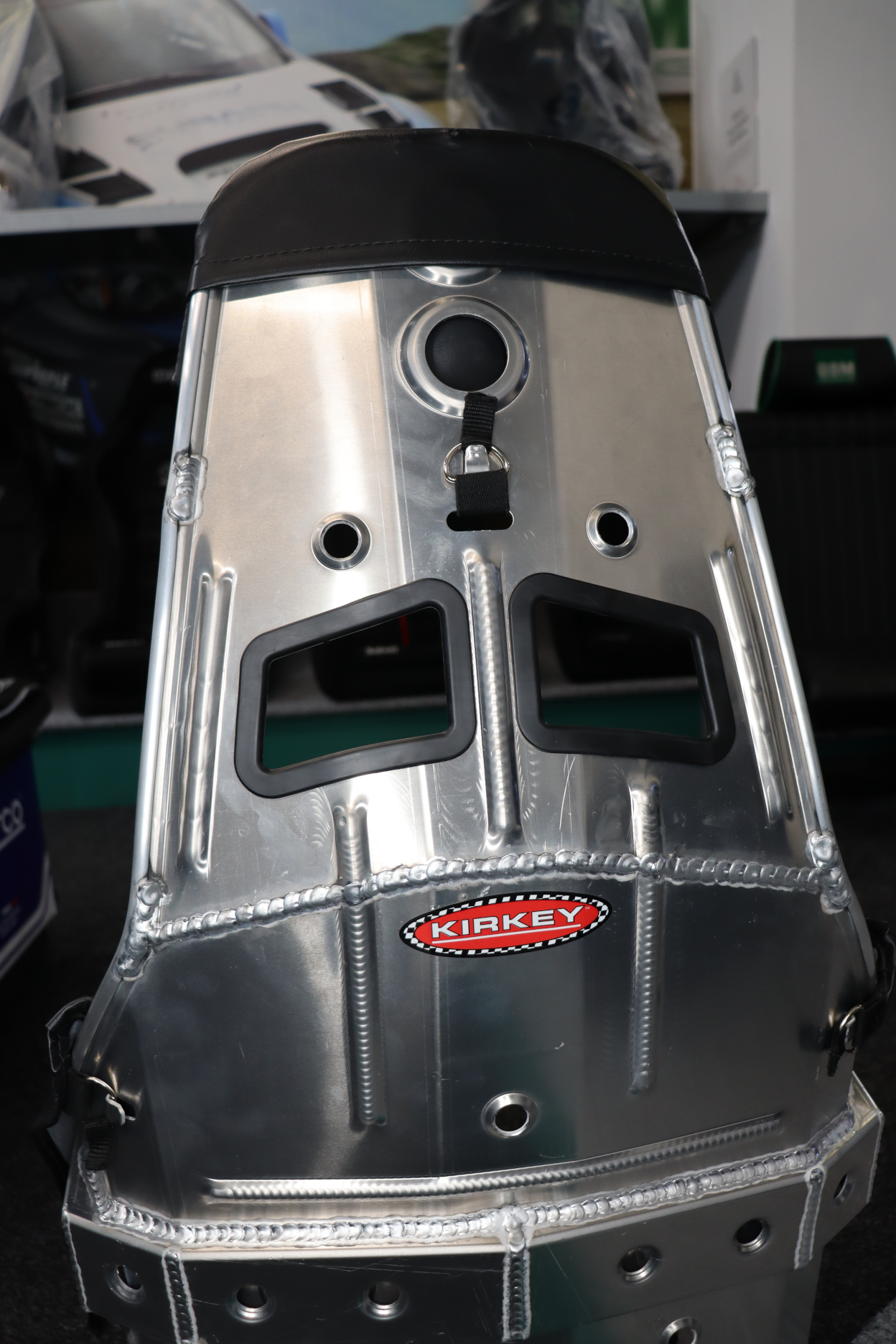
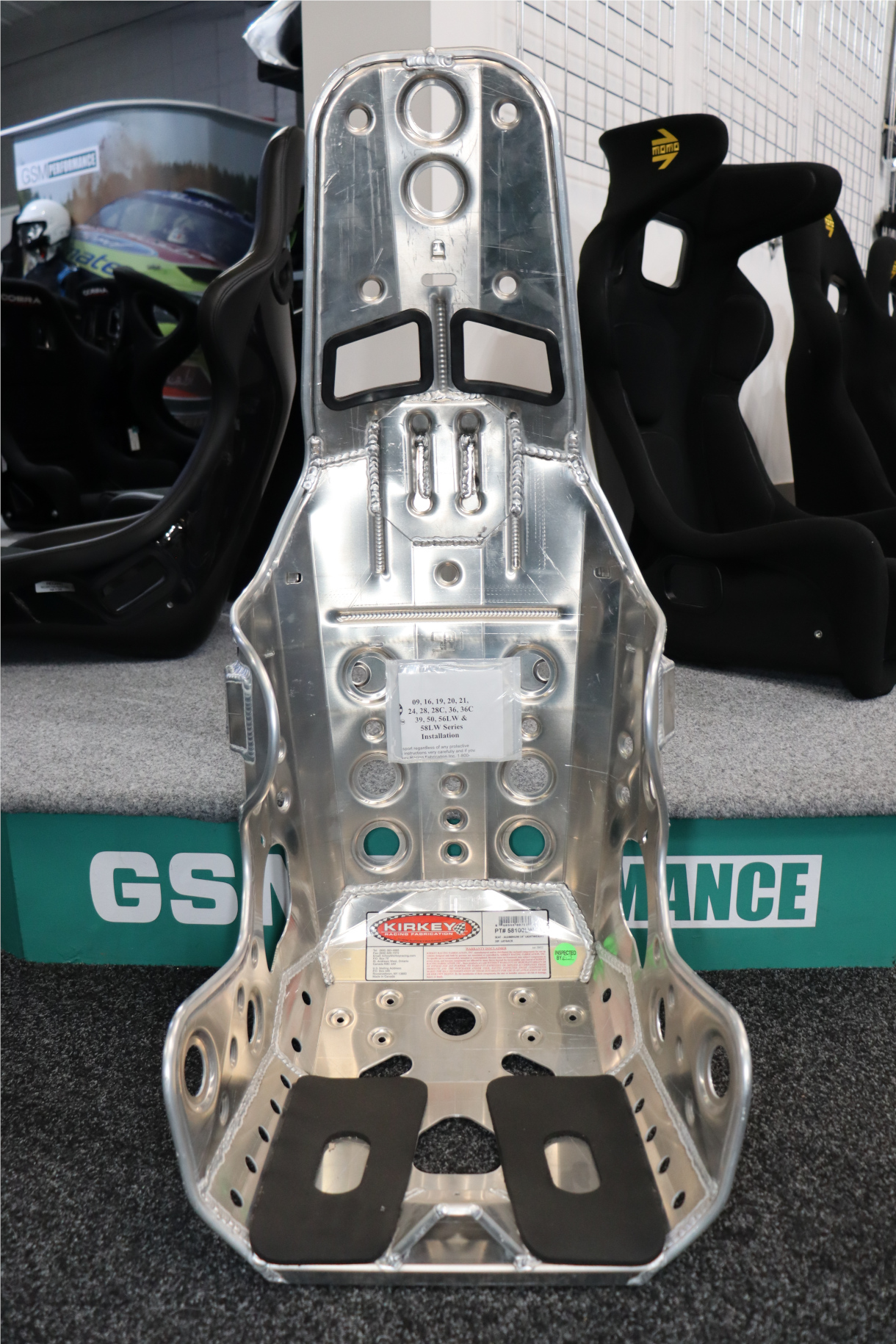
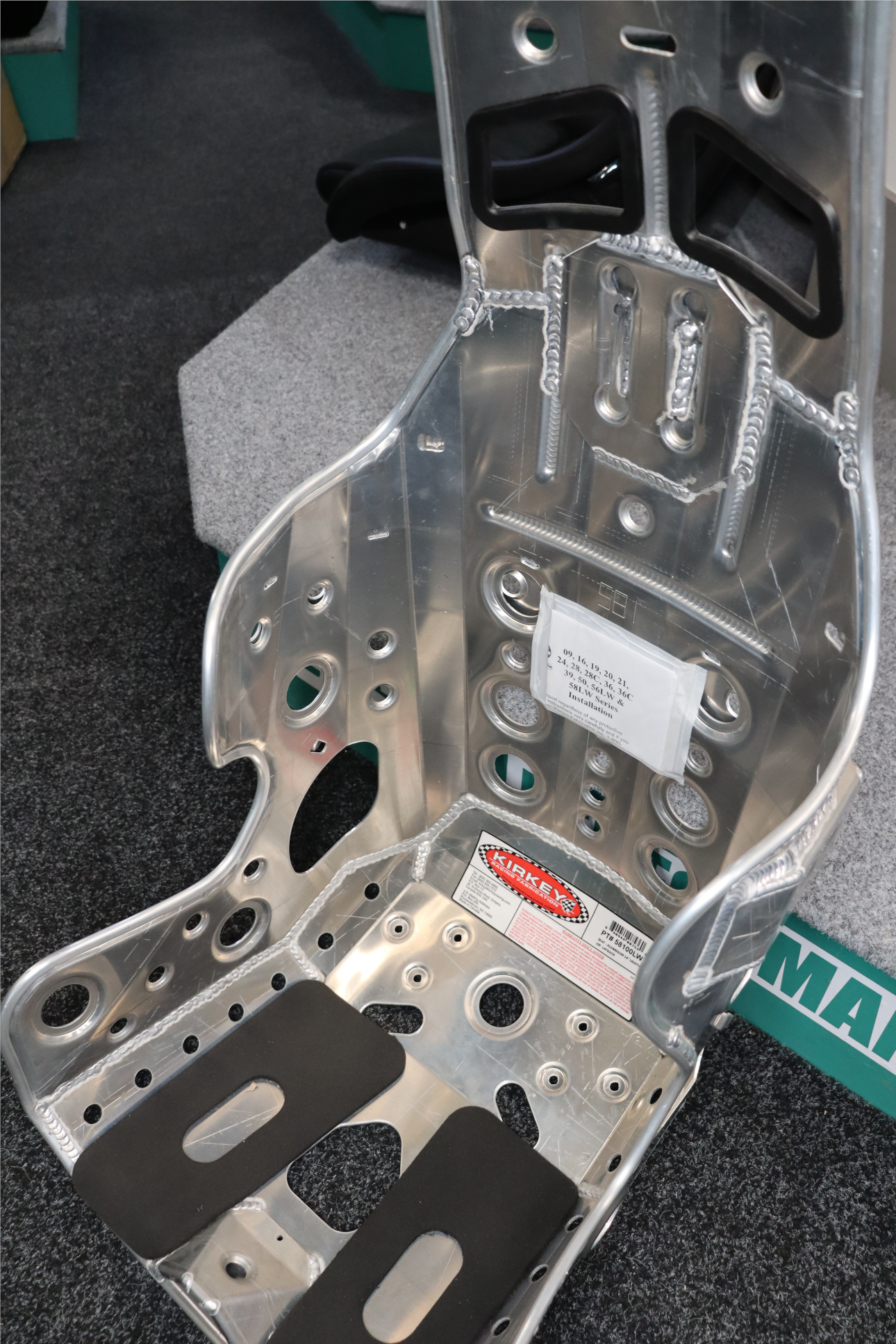
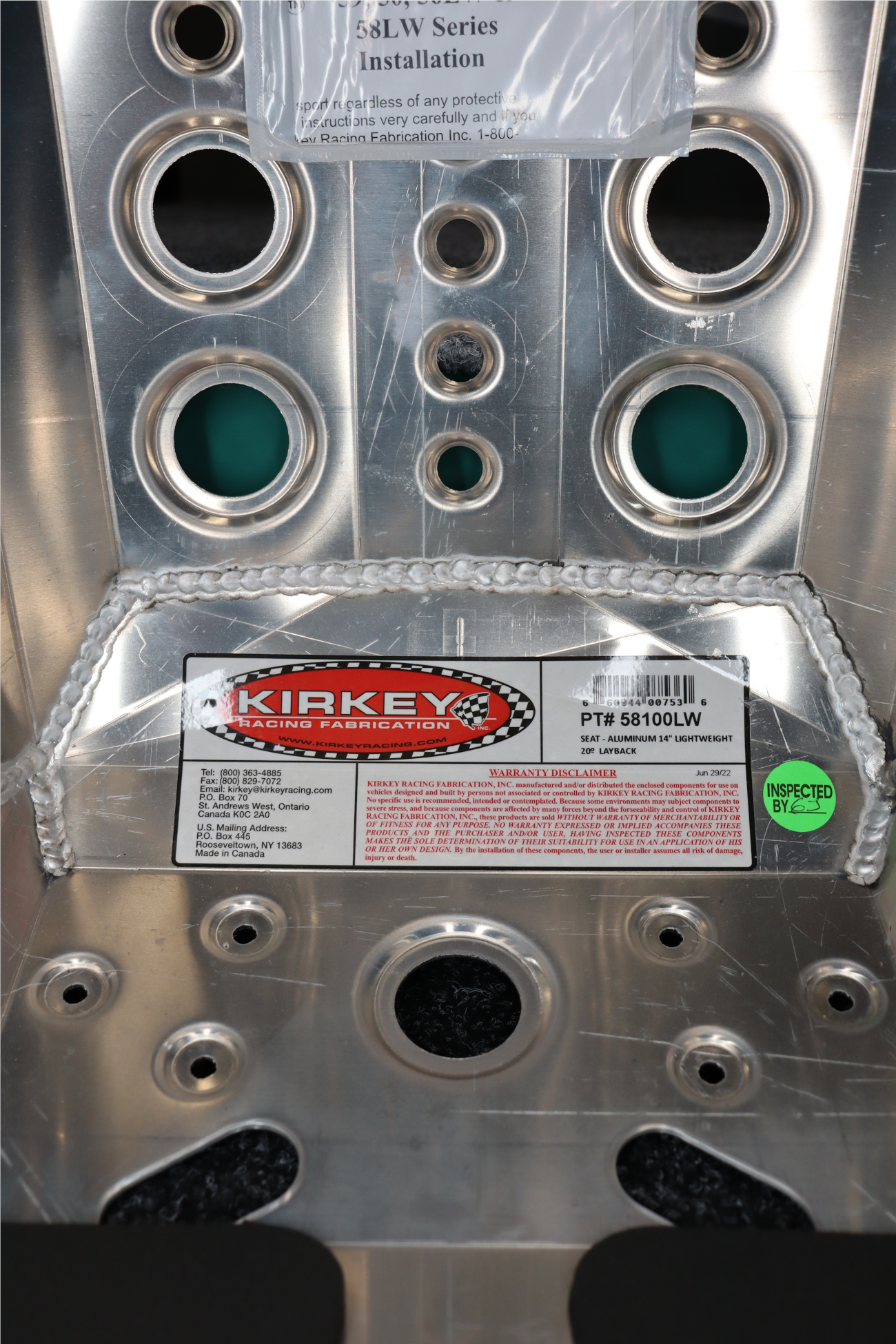
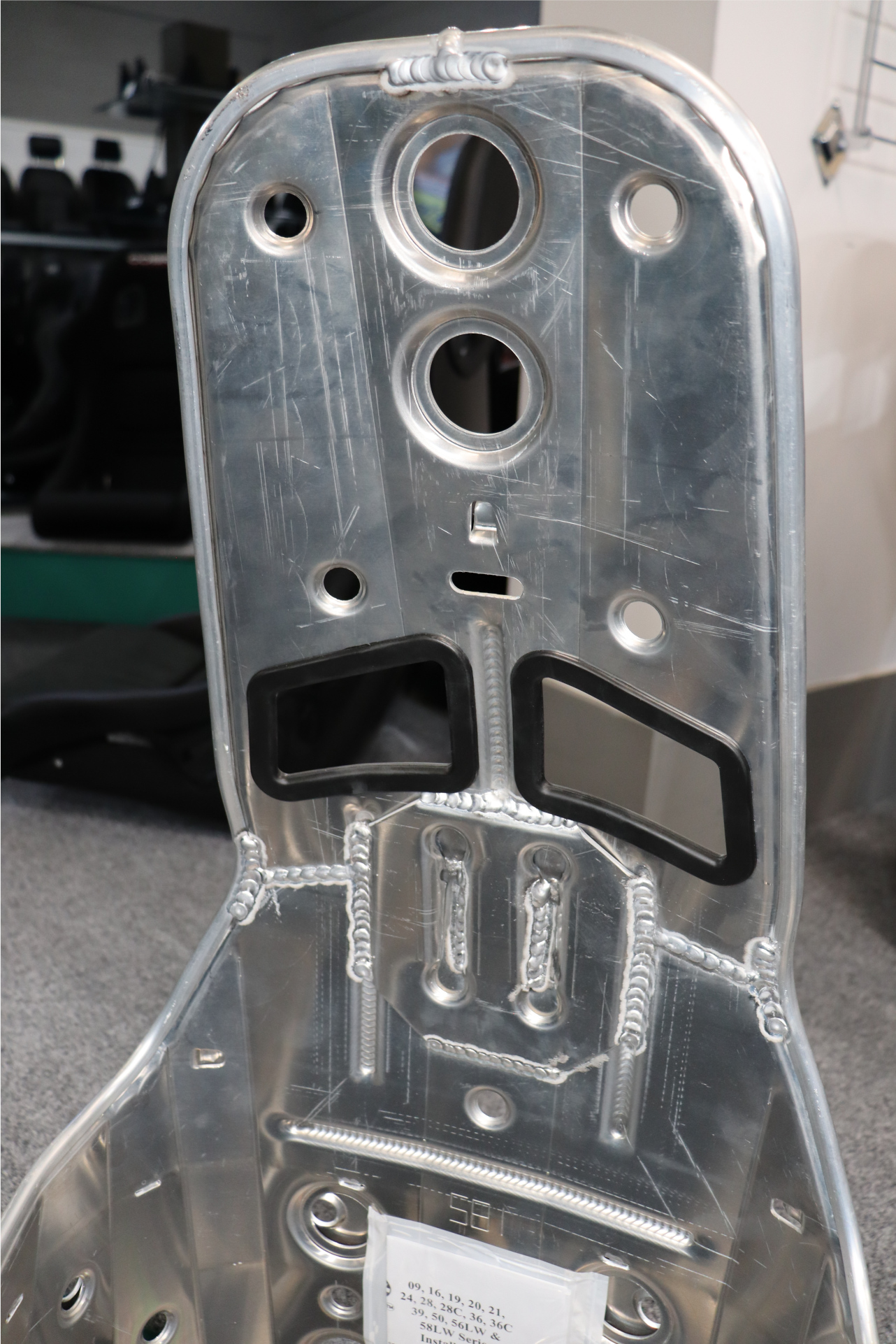
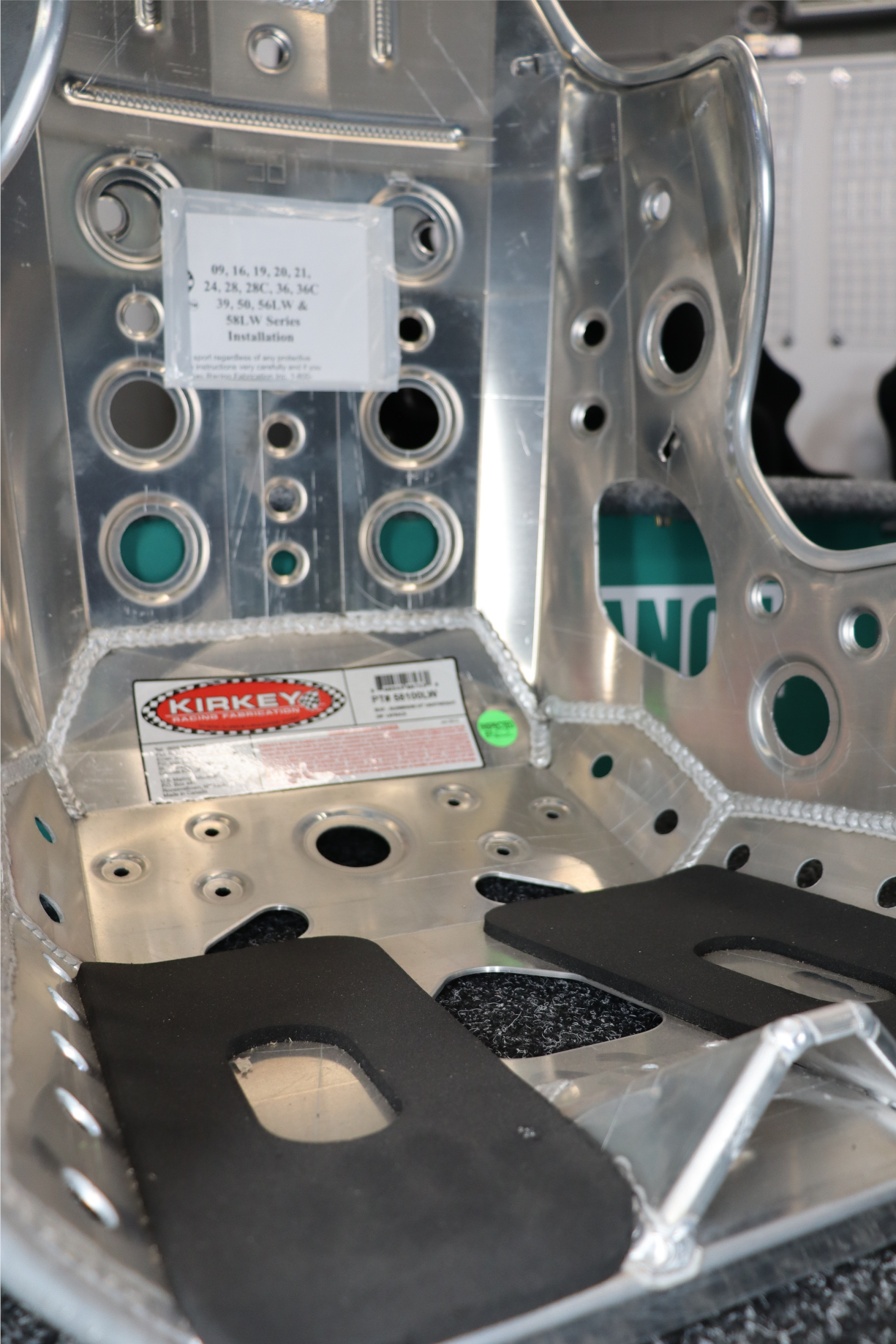
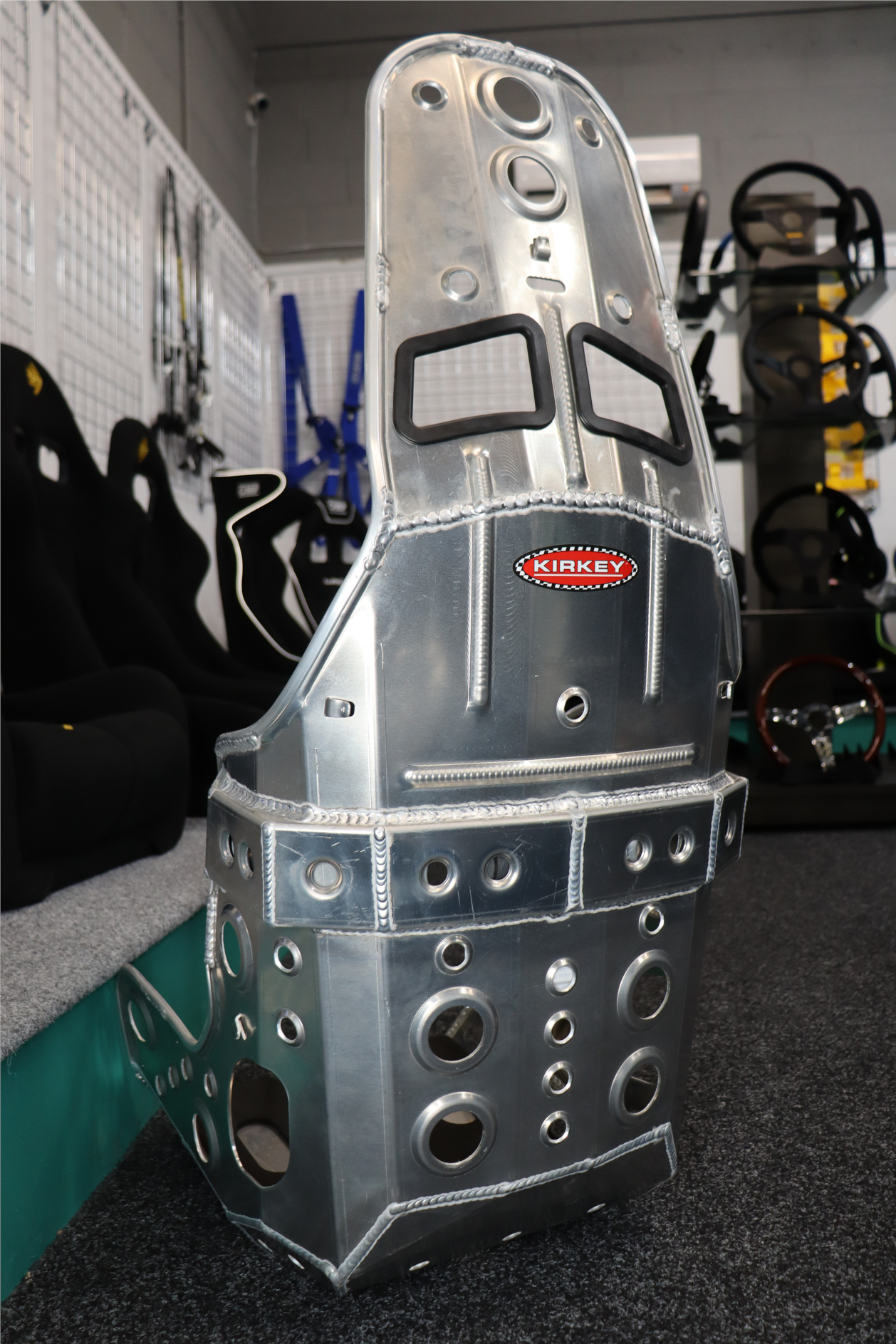
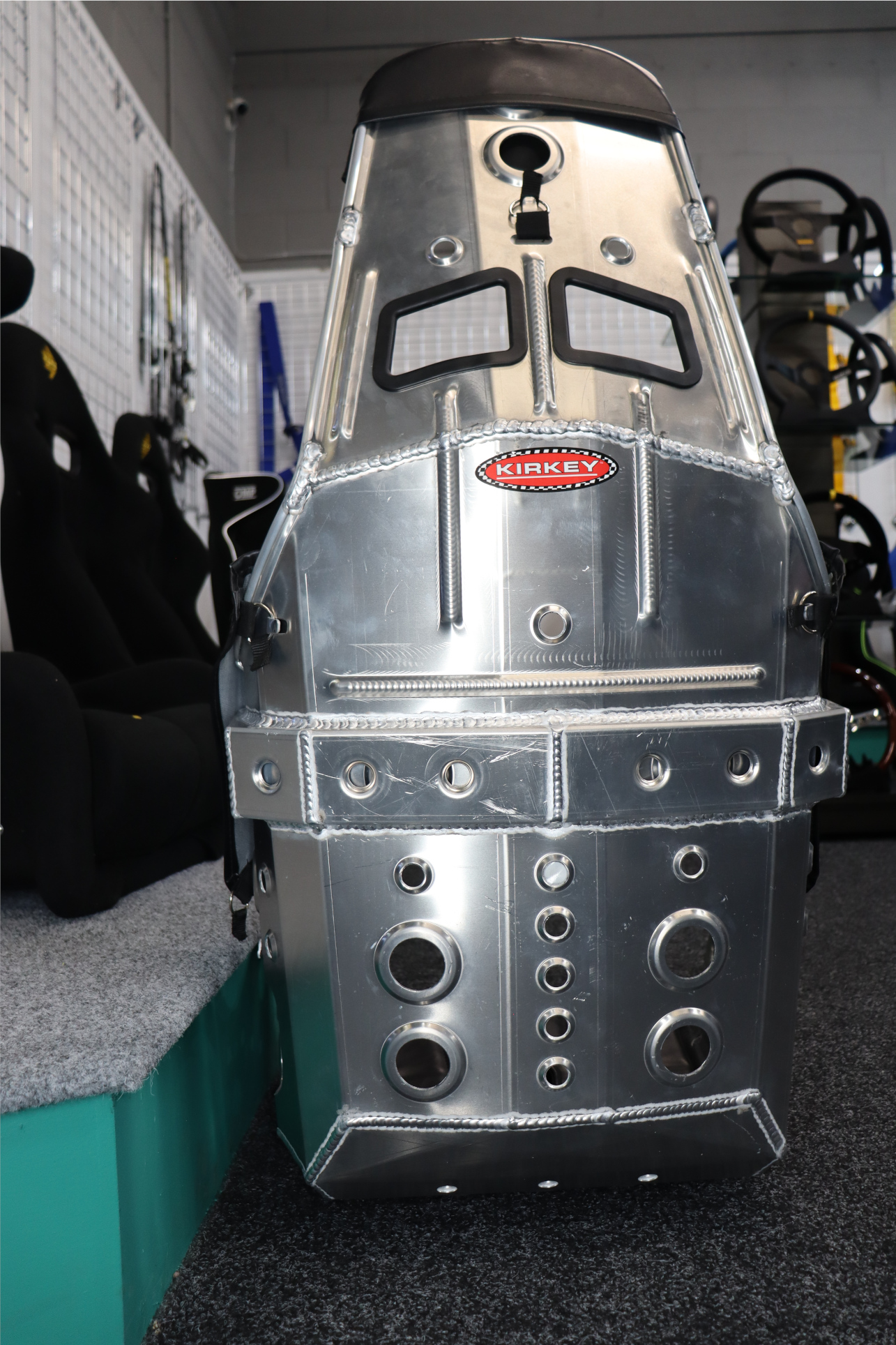
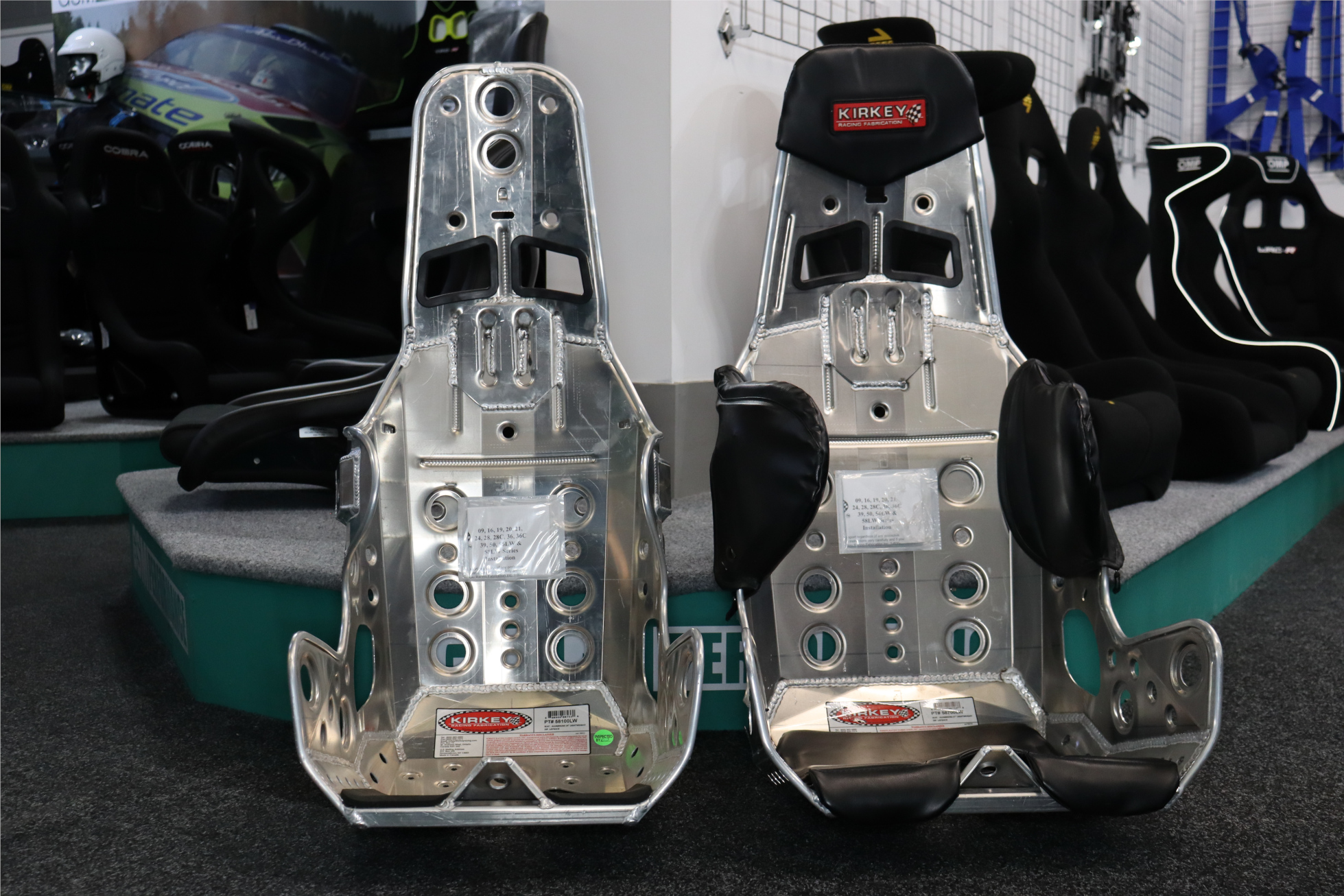


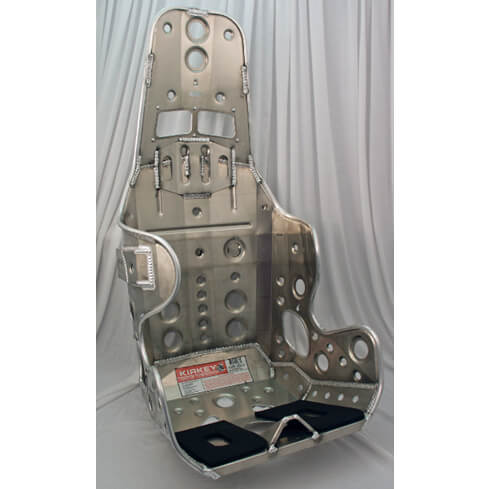
This is the Kirkey 58lw Series 20degree Layback Seat, Kirkey Racing Seats’s take on the seat. Seat choice comes down to how the car is used. A fixed-back bucket holds you best and is what competition regulations expect, but it is harder to live with on the road. A reclining sports seat gives up some support for adjustment and everyday usability.
Kirkey 58lw Series 20degree Layback Seat specification
| Category | Kirkey Bucket Seats |
|---|---|
| Brand | Kirkey Racing Seats |
| Seat Width | 14″, 15″, 16″, 17″ |
| Brackets included | Seat only |
| Seat Back Angle | 20 Degrees |
| Seat Cover Options | Without Seat Cover |
| Headrest | Integrated Headrest |
| Part number | 58LW-Series |
Options available
Choose your options at the top of this page before adding to the basket.
- Seat Width. 14″, 15″, 16″, 17″
If the combination you need is not listed, ask us. A lot of this kit can be ordered to spec even where it is not shown as an option.
Choosing the right seat
Seat choice comes down to how the car is used. A fixed-back bucket holds you best and is what competition regulations expect, but it is harder to live with on the road. A reclining sports seat gives up some support for adjustment and everyday usability.
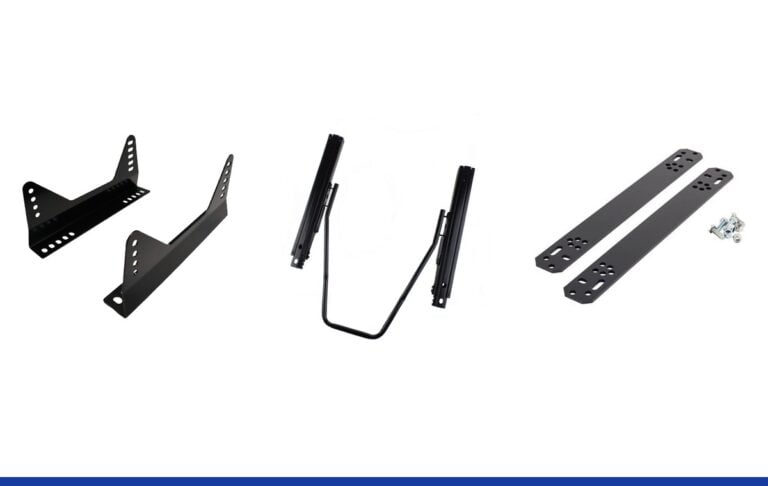
A competition seat needs a vehicle-specific fitting frame, and usually side mounts as well. Check the seat width against your car’s tunnel and sill before ordering, because a wide shell in a narrow car is a common and expensive mistake.
We have been supplying motorsport kit since 2003, so if you are unsure between two options, ask.
What to check before you order
A handful of details decide whether this seat suits your car. These are the ones that matter.
- Brand: Kirkey Racing Seats. Check this against what you already run before ordering.
- Seat Width: 14″, 15″, 16″, 17″. Check this against what you already run before ordering.
- Brackets included: Seat only. Check this against what you already run before ordering.
- Seat Back Angle: 20 Degrees. Check this against what you already run before ordering.
- Seat Cover Options: Without Seat Cover. Check this against what you already run before ordering.
If any of it does not match what you have, ask us before you buy.
Buying the Kirkey 58lw Series 20degree Layback Seat from SportSeats4u
Stock is shown live on this page. If you need the Kirkey 58lw Series 20degree Layback Seat for a specific event date, tell us when you order and we will confirm the lead time up front.
We have been in the motorsport trade since 2003, supplying club racers, race teams and workshops across the UK and exporting worldwide. That means the advice you get on fitment comes from people who use this kit, not from a spec sheet someone copied over.
If you are buying for yourself and you are torn between two options, call us. Five minutes on the phone usually settles it.
Kirkey 58lw Series 20degree Layback Seat questions
Will the Kirkey 58lw Series 20degree Layback Seat fit my car?
The seat needs a vehicle-specific fitting frame to mount to the floor. Tell us the car and we will confirm which frame you need alongside it.
Is it FIA approved?
Check the approval listed in the specification above. FIA-approved seats carry an expiry date, so check that too if the seat is for competition.
Can I use my standard seat belt?
With a reclining seat, usually yes. With a fixed-back bucket and harness slots, a harness is the safer answer, and some competition regulations require one.
How do I know what size I need?
Measure across your hips and compare against the seat width in the specification. If you are between sizes, go up, because a seat that is too narrow gets painful quickly.
Not sure the Kirkey 58lw Series 20degree Layback Seat is the right choice? Send us your car details or what you compete in and we will confirm before you order.
Browse more kirkey bucket seats. Related: Kirkey 80 Series Standard Layback Containment Seat Kit, Kirkey 86 Series Intermediate Layback Containment Seat Kit, Kirkey Seat Side Mounts. Background reading: motorsport disciplines and what they require.