

Should You Use Weld-In Bars For Your Motorsport Seats?
If you’re installing new motorsport bucket seats, one big question is how to mount them securely. At GSM Performance, we often hear customers ask: “Should I use weld-in bars for my seats, or go with a bolt-in bracket?” The answer depends on your car’s use (full competition or casual track days), the type of seat, and how much you’re willing to modify your vehicle. In this post, we’ll break down what weld-in seat bars are, why some racing seats require them, when to choose weld-in over bolt-in brackets, the pros and cons of each approach, and what alternatives are safer for road/track-day cars. By the end, you should have a clear idea of the best mounting method for your setup. Let’s get started.
What Are Weld-In Seat Bars and Why Are They Needed?
Weld-in seat bars (also called weld-in seat rails or brackets) are steel crossmembers that get permanently welded into your car’s floor or roll-cage structure to serve as mounting points for a bucket seat. Essentially, they create a custom, fixed base in the chassis to which you bolt the seat’s side-mount brackets. Many full race cars come with these bars welded in, or they’re added during a roll cage installation. The purpose is to provide a strong, rigid anchor for the seat in the exact position you need.
Some motorsport seats actually require this kind of mounting. Most FIA-homologated fixed-back bucket seats are side-mounted, meaning they have attachment points on their sides, not on the base. These seats (often with fiberglass or carbon fiber shells) typically do not have provision to bolt directly to the floor or sliders. They’re designed for competition use, where the standard practice is to attach the seat to side brackets, then bolt those brackets onto welded crossbars in the car. In fact, in professional motorsport, weld-in seat bars are a common solution to meet racing regulations on seat mounting strength and positioning.
Why do some seats “require” weld-in bars? It comes down to geometry and safety. In many race cars, the ideal driving position is low and rearward for a better center of gravity and weight distribution. Welded-in bars allow you to place the seat exactly where you want it, lower and often further back than a stock seat rail would allow. Also, using solid welded mounts eliminates any extra play or flex that could come from multi-piece adapter brackets or sliders. In high-impact scenarios (think crash safety), a direct-welded seat mount offers peace of mind that the seat is firmly attached to the chassis. For these reasons, sanctioning bodies often prefer or require fixed seat mounts (with proper reinforcement) in competition cars.
To sum up, weld-in bars are essentially custom seat mounting rails welded into the car. They’re typically needed for race-oriented bucket seats that use side mounts, especially when building a dedicated competition vehicle. Next, we’ll discuss when you should consider using this approach over simpler bolt-in solutions.
When Should You Consider Weld-In Bars Over Bolt-In Brackets?
Choosing between weld-in bars and bolt-in mounting brackets comes down to how the car will be used and your priorities for installation. There are basically three ways to install an aftermarket bucket seat:
- Bolt it directly to the floor using side mounts (this usually requires reinforcing the floor pan to be safe).
- Bolt the seat to weld-in bars that you add to the car’s chassis.
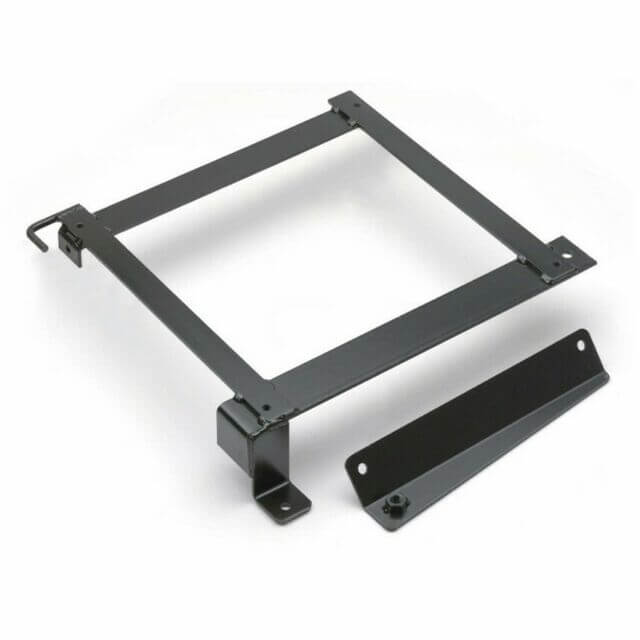
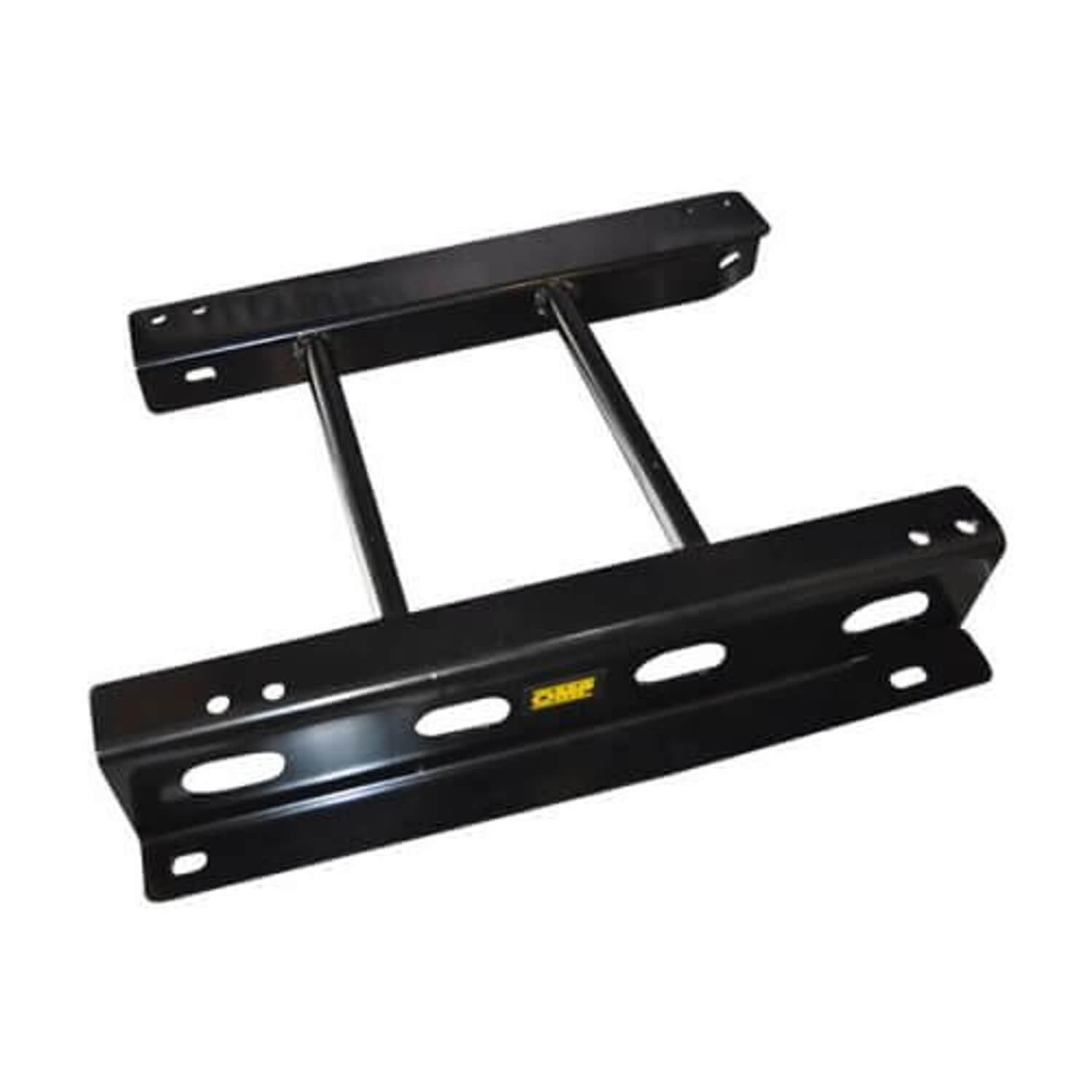
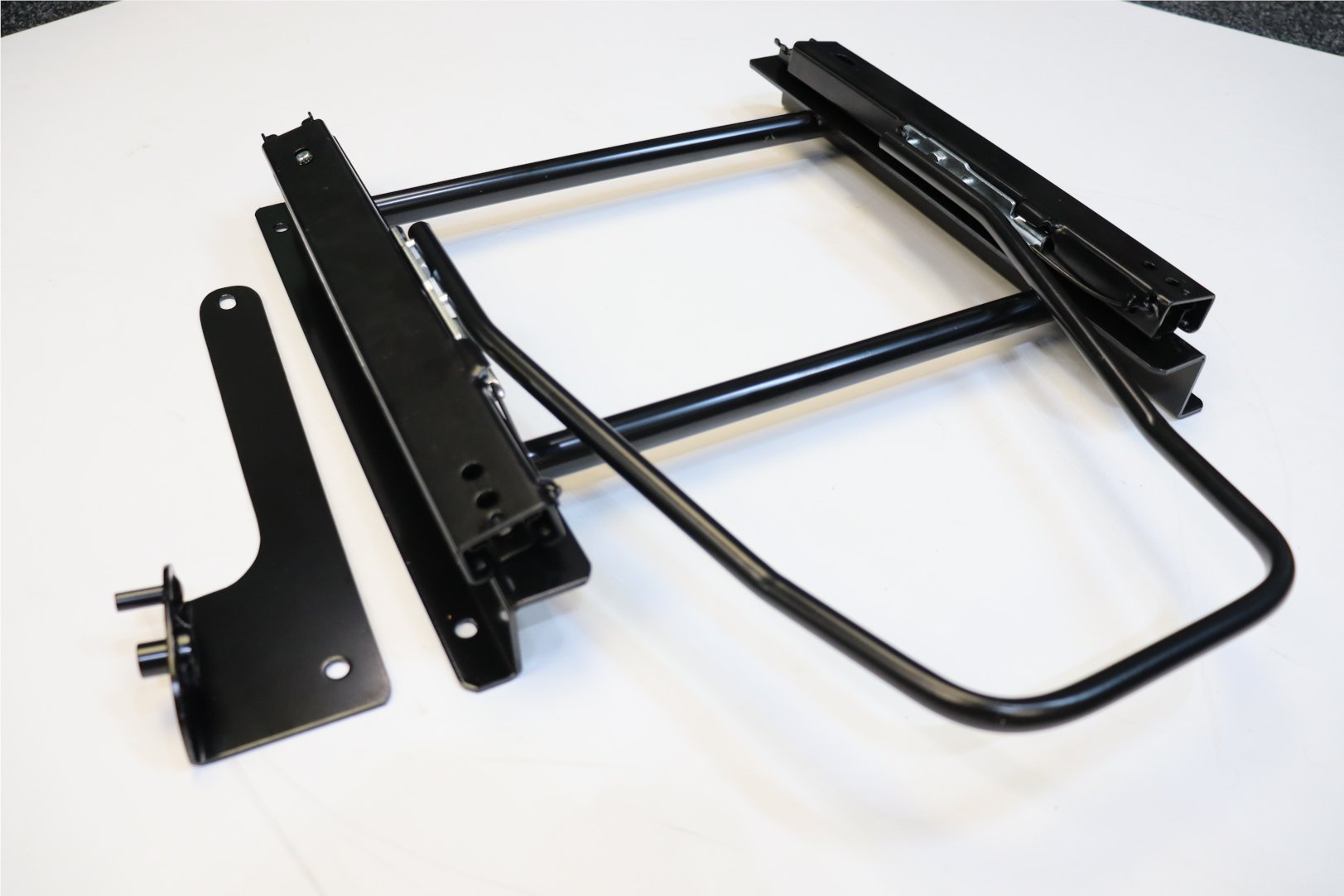
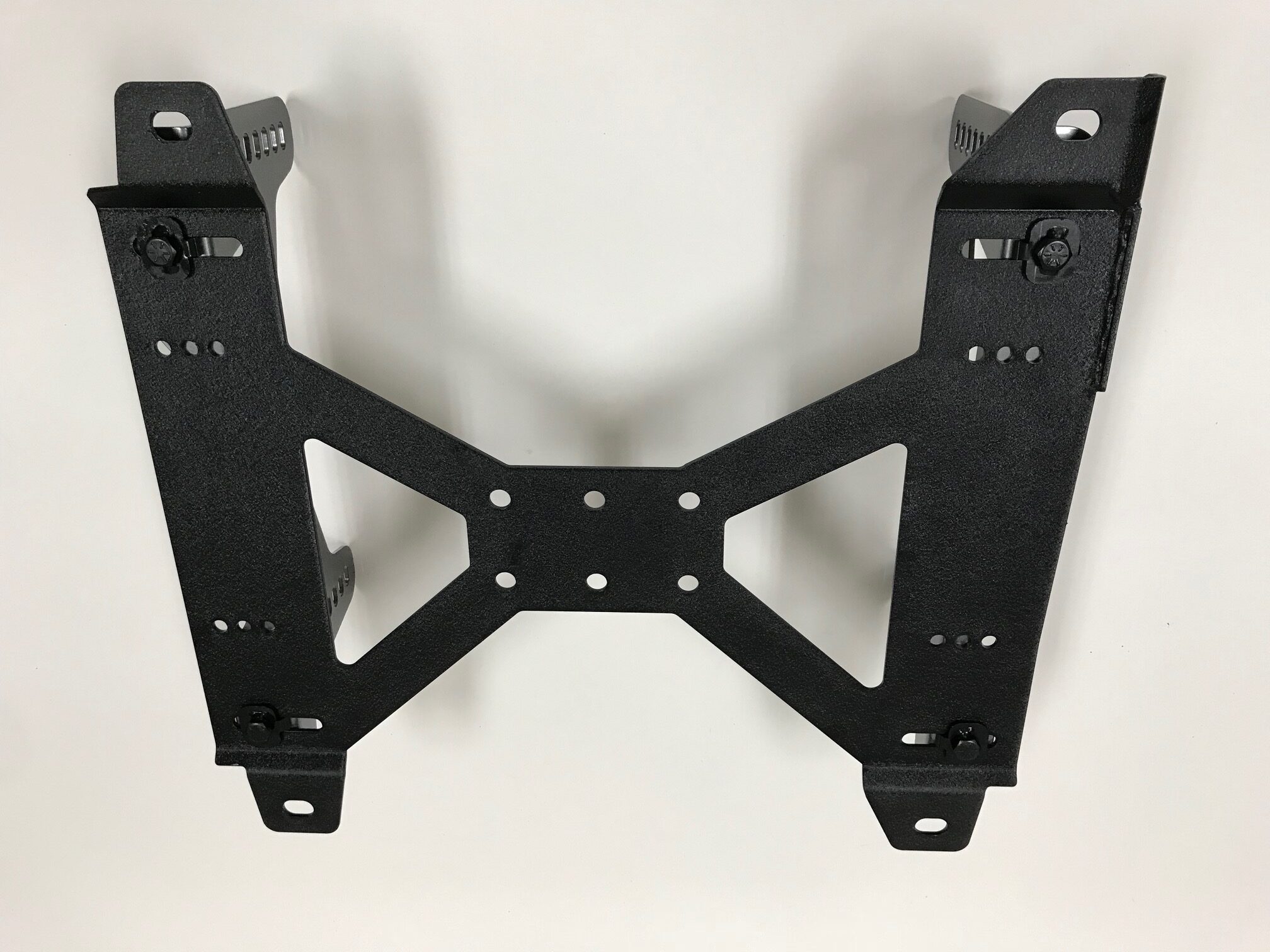
- Use a vehicle-specific bolt-in bracket (from a brand like OMP, Sparco, or Planted) that fits your car and seat.
Option 1 (bolting straight to the floor) is generally only seen in all-out race builds, it gives a low seat position but demands a strong reinforced floor plate and leaves no adjustability. Most people will be deciding between Option 2 (weld-in rails) and Option 3 (prefabricated brackets).
So when are weld-in bars the better choice? We’d recommend weld-in seat bars if your car is a dedicated competition machine or extreme track toy where every bit of customization and rigidity matters. For example, if you’re preparing a car for full Motorsport use (FIA competitions), it’s wise to mock up your driving position with the new seat, see what space and height you have, and then weld in crossbars to secure the seat at that perfect spot. Welded bars let you tailor the seat placement to your body size and driving style, which is crucial in racing. They also integrate well if you have or plan to install a roll cage, since a cage fabricator can weld the seat bars in as part of the chassis reinforcement. In short, choose weld-in mounts when you are aiming for a no-compromise racing setup, and you don’t mind a bit of fabrication work on the car.


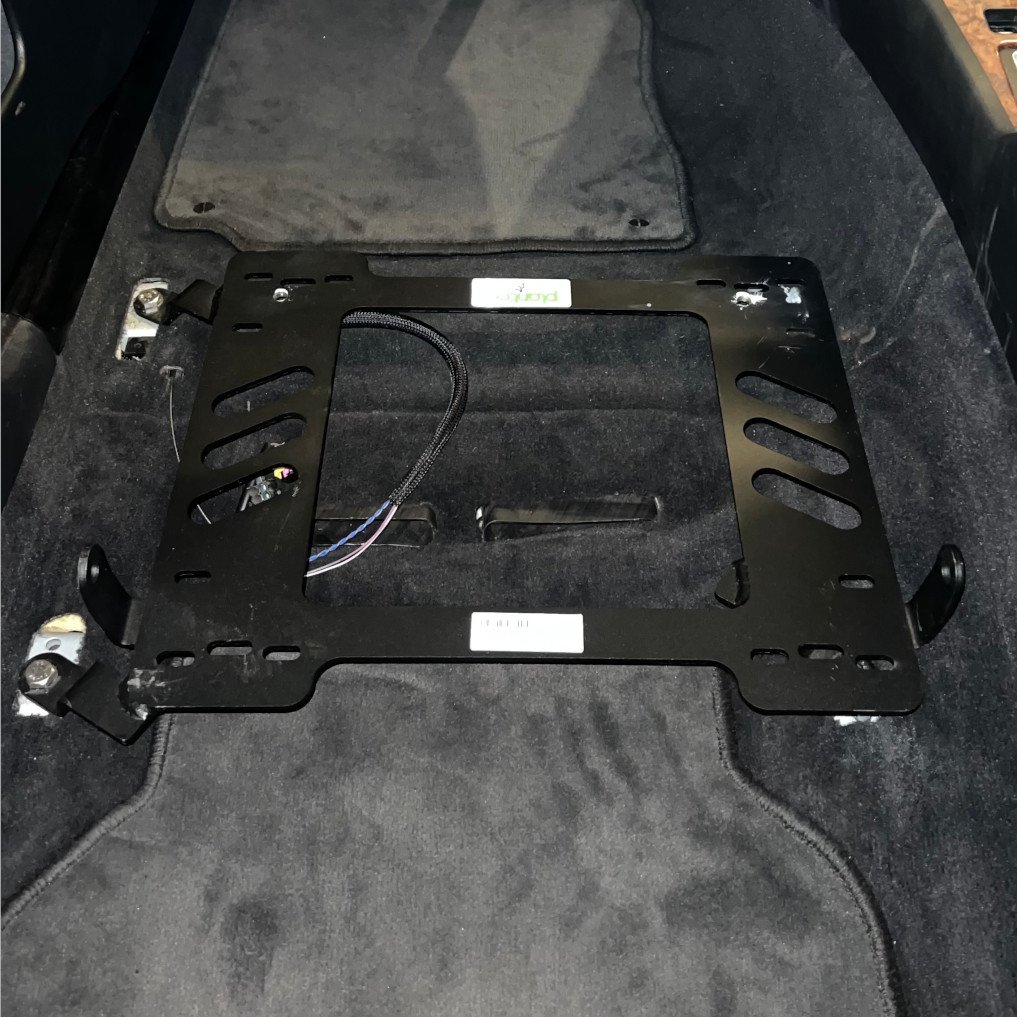
On the other hand, a bolt-in bracket is usually the smarter choice for cars that still see street use or when you want a simpler install. If you’re building a road and track-day car, we recommend using a vehicle-specific seat mounting frame from a reputable brand (OMP, Recaro, Planted, etc.). These brackets are made to bolt into your car’s factory seat mounting holes, using existing threaded points in the floor. That means no welding and no permanent modification to the car’s structure. This is a big advantage if you want to keep the interior intact (for example, not cutting carpets or removing stock seat mounts) and if you might revert to stock seats someday. Bolt-in kits also typically allow the use of sliders, so you can adjust the seat fore/aft easily, a must if you share the car with other drivers or even just to comfortably get in and out.
In summary, use weld-in bars for: pure race cars, when maximum strength and custom positioning are needed, and you’re okay with fabrication. Use bolt-in brackets for: dual-purpose street/track cars or when you prefer an easier, reversible install with adjustability. Next, let’s look more closely at the pros and cons of weld-in bars, particularly in competition scenarios.
Pros and Cons of Weld-In Bars for Competition Cars
Weld-in seat bars are a popular choice for competition builds, but they come with their own pros and cons. Here’s a streamlined look at why you might choose them, and what to consider before you do.
Advantages of Weld-In Seat Bars
Tailored Seat Position
Welded-in bars let you mount the seat exactly where you want it. You’re not stuck with preset mounting holes and can dial in your ideal driving position for comfort and control.
Lower Seating Height
This setup allows you to get the seat much lower in the chassis than most bolt-in brackets, which is ideal for headroom, helmet clearance, and a better driving feel.
Solid and Safe
Welded mounts offer maximum rigidity. The seat bolts straight to the chassis, reducing flex and increasing safety under stress or in a crash.
Lighter and Simpler
With fewer parts than a full bracket and slider combo, a weld-in setup can save weight and reduce the number of components that might loosen over time.
Adjustable Enough
You won’t get sliders, but if your seat bars are long enough, you can shift the seat brackets along them or rebolt them into new positions to suit another driver.
Disadvantages of Weld-In Seat Bars
Permanent Modification
Welding into your floor or chassis is a one-way job. If you change your mind or want to revert to stock, you’ll need to cut everything out.
Not DIY-Friendly
Weld-in bars need to be installed properly by a skilled fabricator. Getting the positioning right is crucial, and poor welds can be unsafe.
Fixed Position
You lose the ability to quickly slide the seat, which can be annoying if the car has multiple drivers or tight entry space.
Only Fits One Seat Setup
Once welded, your bars are positioned for that one seat. Switching to a different seat or selling the car may mean cutting and redoing the setup.
Potential Road Legality Concerns
Welded seat mounts can raise flags during inspections or insurance claims if not done to a high standard. They’re typically fine in full race cars, but not always ideal for road use.
What Seats and Setups Typically Require Weld-In Bars?
Not every seat installation calls for weld-in rails. Here we’ll outline the common scenarios where using weld-in seat bars is either required or highly recommended.
FIA Side-Mount Bucket Seats: Most fixed-back FIA-approved bucket seats (like the Sparco Circuit, Cobra Suzuka, etc.) are side-mounted and don’t have base mounting points. These are designed to bolt to side brackets, which are then mounted to welded-in bars for strength and correct positioning. While universal brackets exist, they’re not always ideal. If your seat is designed for motorsport, weld-in bars are often the best option.
Stripped-Out Race Cars: In full race builds where the interior is gutted and a roll cage is added, weld-in seat bars are the standard. They create a strong foundation for the seat and tie in well with other reinforcements. This approach is common in rally, touring car, and club racing builds where rigidity is a priority.
Cars Without Bracket Support: Some vehicles don’t have bolt-in frame kits available, especially older or niche models. In these cases, a weld-in setup is often the only reliable solution. It’s safer and often simpler than trying to adapt universal brackets.
4. Very Low Seat Position: For drivers needing maximum headroom or a lower driving position, weld-in bars allow you to mount the seat lower than most bolt-in brackets will allow. This is useful in cars with tight cabins or for taller drivers.
5. Motorsport Rules Requiring Fixed Mounts: Some racing series ban sliding runners and require seats to be fixed to welded bars or reinforced mounts. If you’re entering an event with these regulations, weld-in bars are usually the most straightforward way to comply.
In short, if you’re building a full-time track car or fitting a serious motorsport seat, weld-in bars are often the right tool for the job. For anything else, bolt-in brackets are usually more practical.
Safer Alternatives for Road and Track-Day Cars
If you’re building a track-day car or upgrading a road car, weld-in bars often aren’t necessary. There are easier and safer options that don’t require welding or major modifications.
The most common solution is to use a vehicle-specific seat bracket. Brands like OMP, Recaro, Sparco, and Planted Technology make frames that bolt straight into your car’s factory seat mounts. These are designed to fit the car’s floor and line up with the original bolt holes, making installation quick and clean. You keep the original structure intact and can return to stock later if needed.
Another benefit is that these brackets often work with sliding seat runners. Adding sliders gives you forward and backward adjustment, which is great for comfort and makes it easier to share the car with other drivers. In most cases, sliders with a solid bracket give you the best mix of safety and usability.
Bolt-in brackets are also safer for road use because they use reinforced factory seat mounts. Poorly welded bars or DIY setups can weaken the floor or skip safety features built into the car. That’s why we only recommend trusted brands that have been tested for fit and strength.
There’s also a middle-ground option for cars without direct-fit brackets. You can combine side mounts, sliders, and a universal base to build a safe setup without welding. This may require some small adjustments like drilling holes or adding spacers, but with care, it can work well. If you’re unsure, a professional installer can help make sure everything is solid and safe.
In summary: If your car isn’t a full-time race build, start with bolt-in brackets and quality hardware. This gives you adjustability, easy installation, and no need to modify the car. It’s a smart, safe option for spirited driving and track days. Just remember, for full motorsport approval, welded setups may still be required.
Final Thoughts: Choosing the Right Mounting Setup
Deciding between weld-in seat bars and bolt-in brackets comes down to how you use your car. Weld-in bars offer the strongest and most secure setup, ideal for dedicated race cars where safety regulations and serious track use are top priorities. They allow precise seat placement and maximum rigidity, but they require proper fabrication and aren’t easy to reverse.
For most street and track-day cars, bolt-in frames are the better option. They install using your car’s factory seat mounts, making them easy to fit with no cutting or welding. You also get the benefit of adjustable sliders and the ability to return the car to stock later. While not quite as strong as a full weld-in setup, bolt-in frames are more than capable for spirited driving and casual track use.
If you’re in between, maybe converting a road car into a race car over time, starting with a bolt-in setup, makes sense. You can always upgrade to weld-in bars later if your build becomes more serious.
Whatever route you choose, make sure your seat is installed with high-quality hardware and mounted securely. A good seat setup should be safe, solid, and matched to your build. For more help choosing the right solution, get in touch with us at GSM Performance. We’ll help you get it right, so you can focus on driving, not worrying about your seat.
Popular Direct-Fit Vehicle Seat Brackets...
For any car that isn’t a full-time race machine, start by looking at vehicle-specific mounting frames and quality hardware. This route lets you install your motorsport seat with basic hand tools, retain adjustability, and avoid permanent mods. You’ll have a setup that’s suitable for spirited driving, track days, and most FIA events, though keep in mind bolt-in setups may not be approved for some top-tier FIA competitions
-

Sparco Car Specific Fitting Frames (152)
-
Recaro Car Specific Fitting Frames (183)
-
Planted Car Fitting Frames (463)
-
PCI Racing Frames (107)
-
OMP Car Specific Fitting Frames (133)
-
M2 Motorsport Car Specific Side Mount Rail Kits (44)
-
Corbeau Car Specific Fitting Frames (141)
-
Cobra Car Specific Fitting Frames (140)








Need a personal recommendation?
We're here to ensure you pick the right seat.
Contact us today.