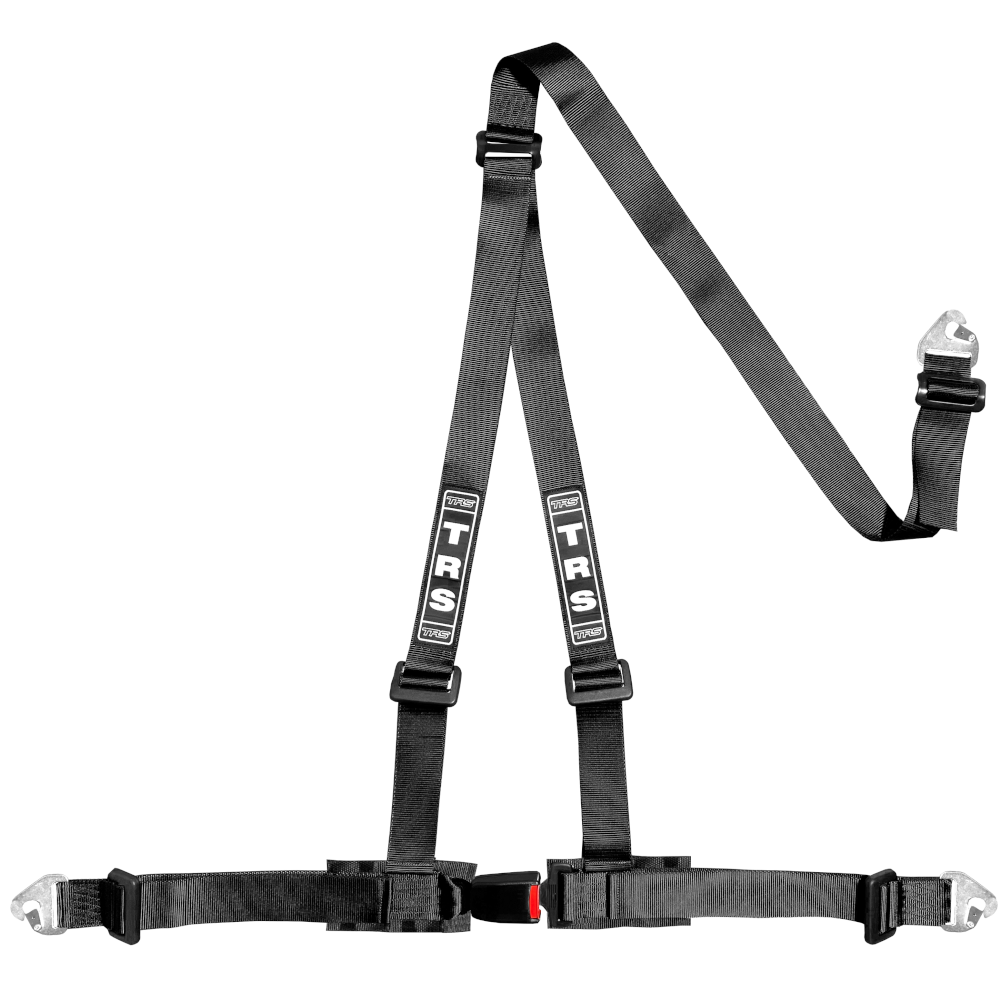
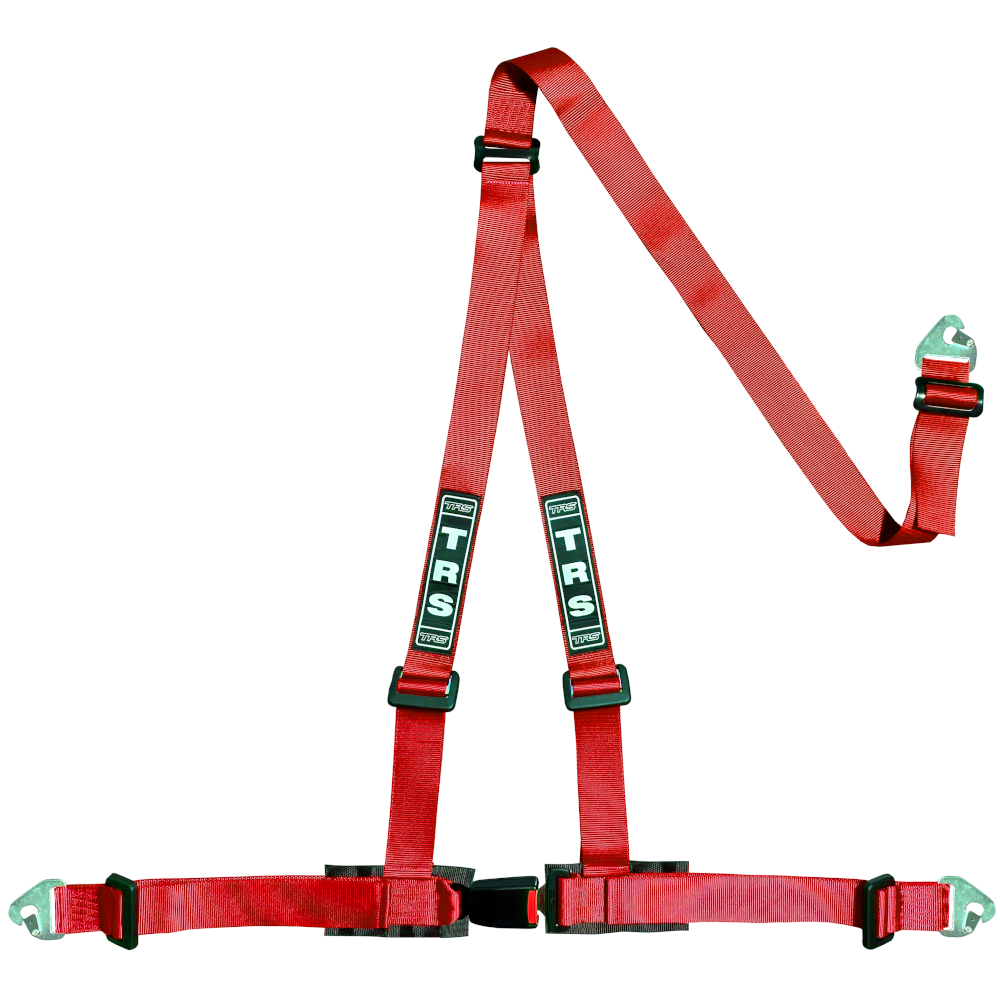
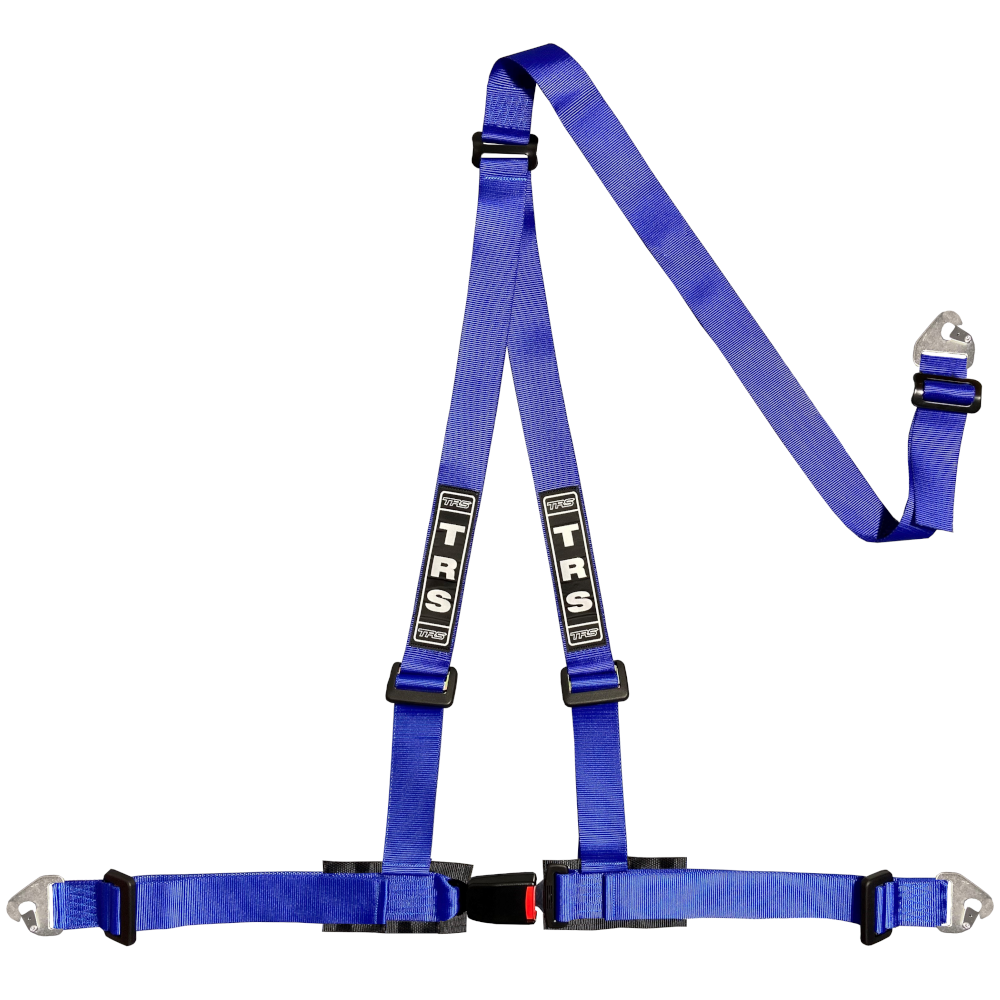
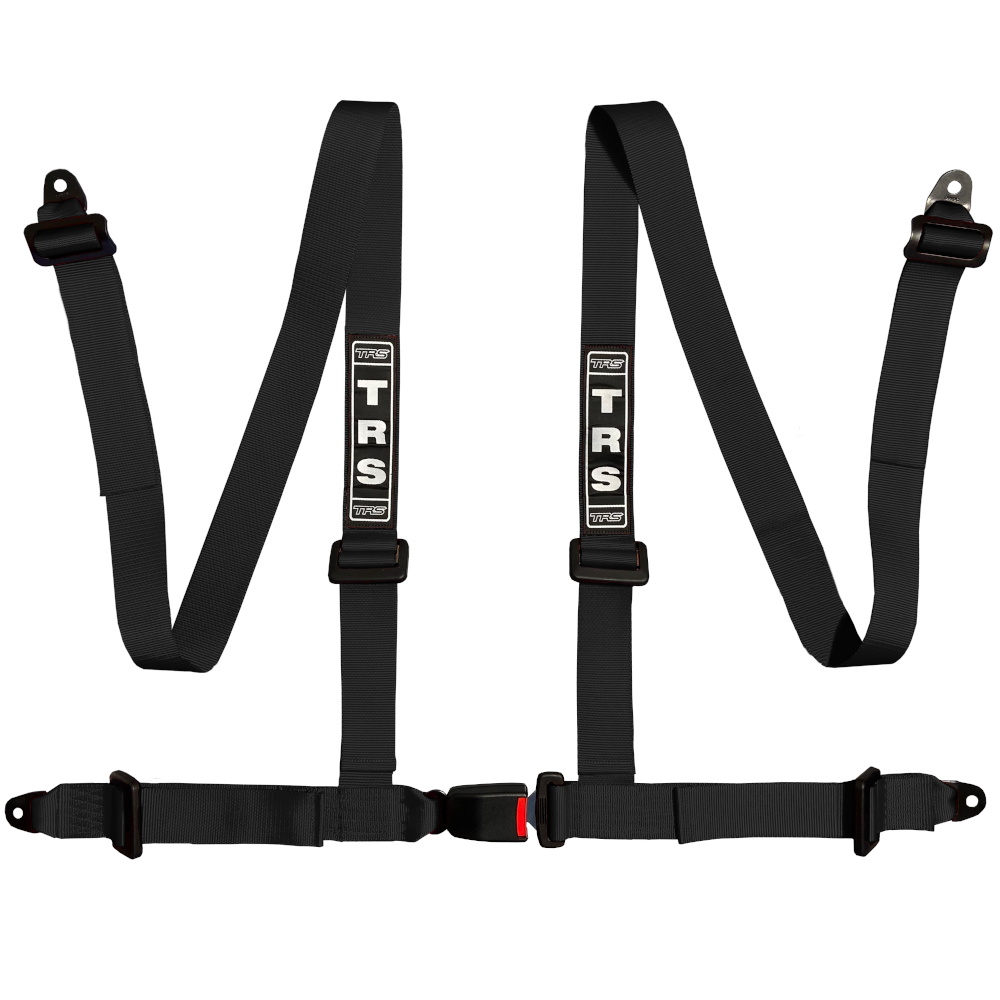
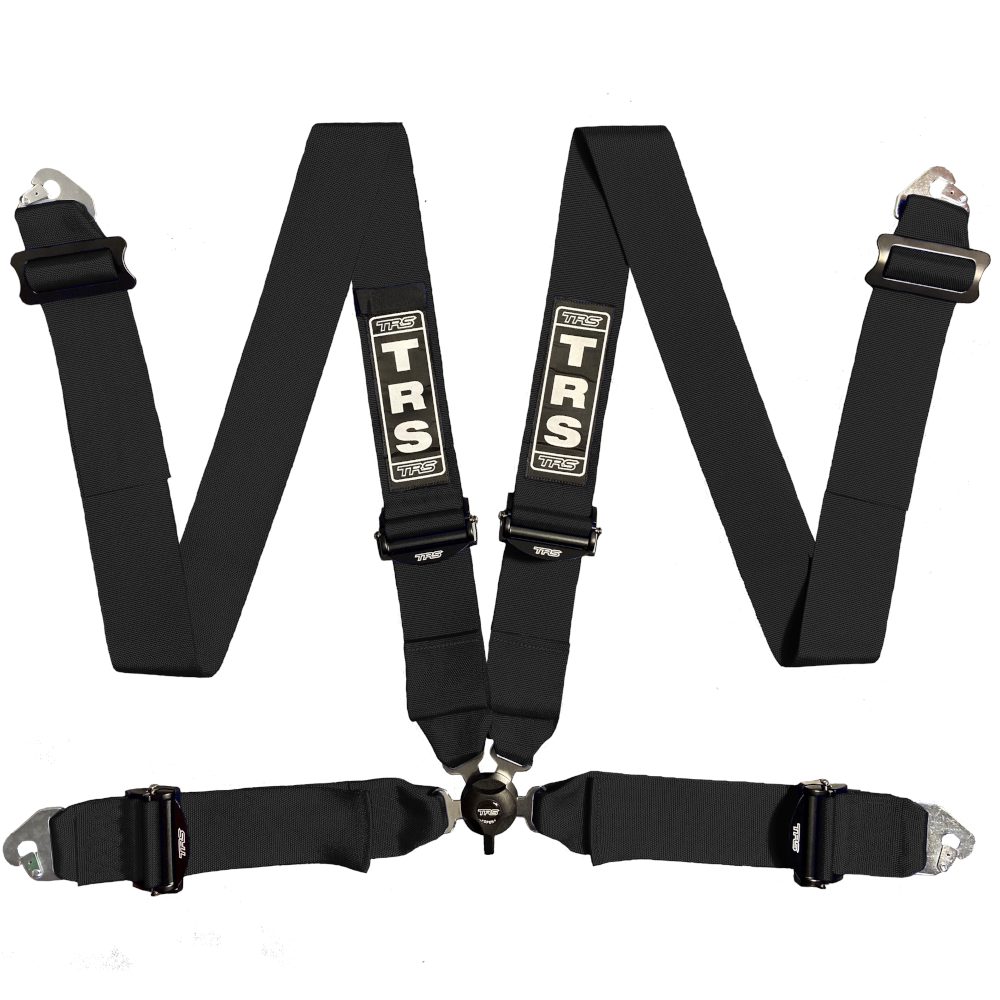
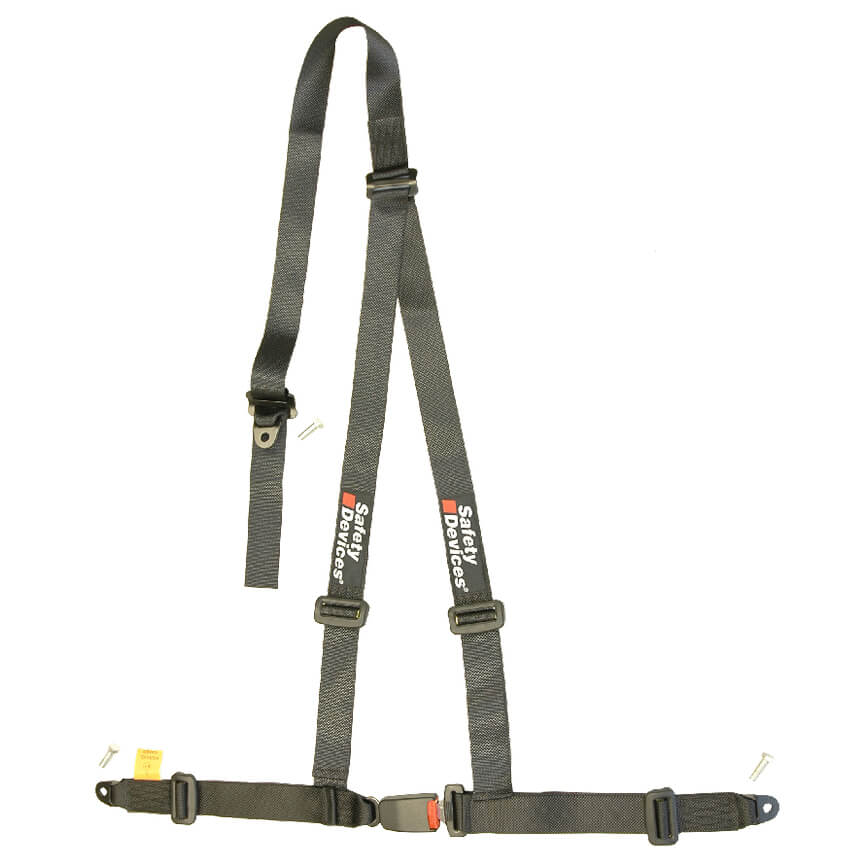
Harnesses are not sized to your body. They adjust to fit almost anyone. What you are actually choosing is the number of points, the approval, how it mounts in your car, and whether it works with a head restraint. Get those four right and the fit looks after itself.
How many points
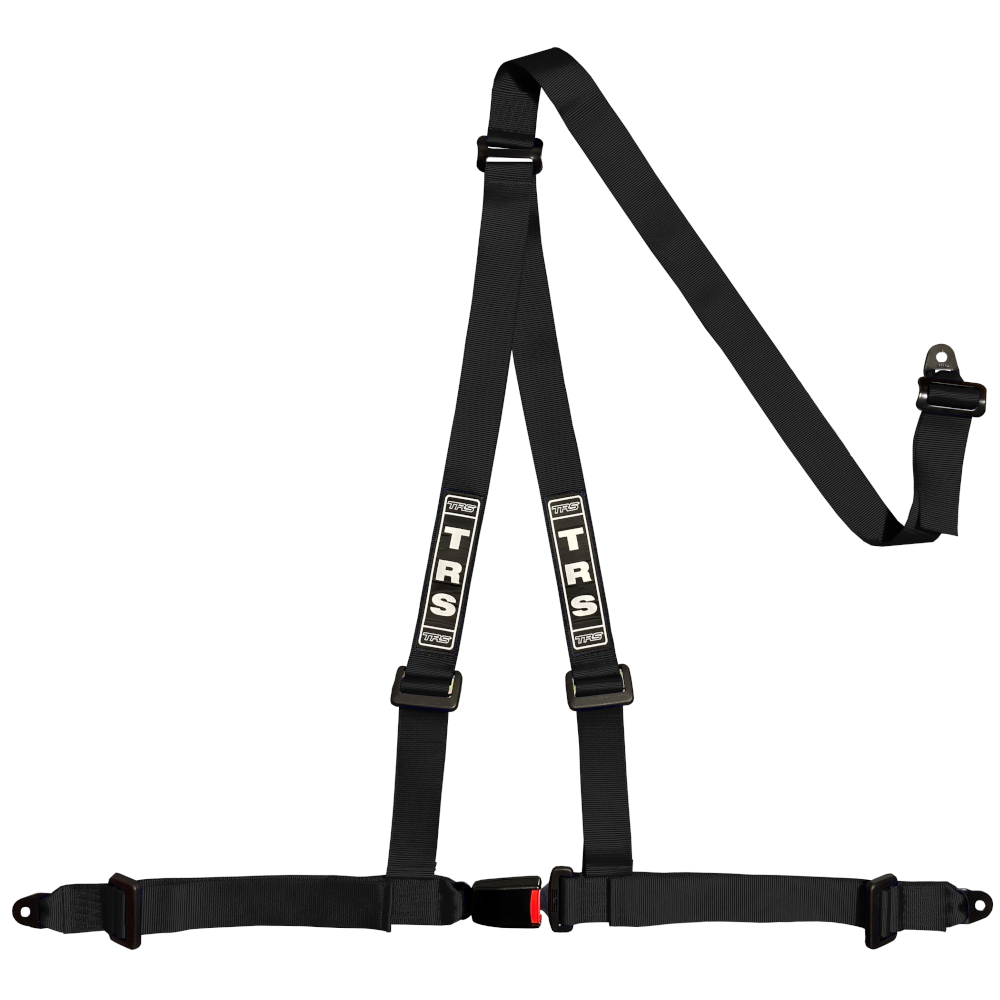
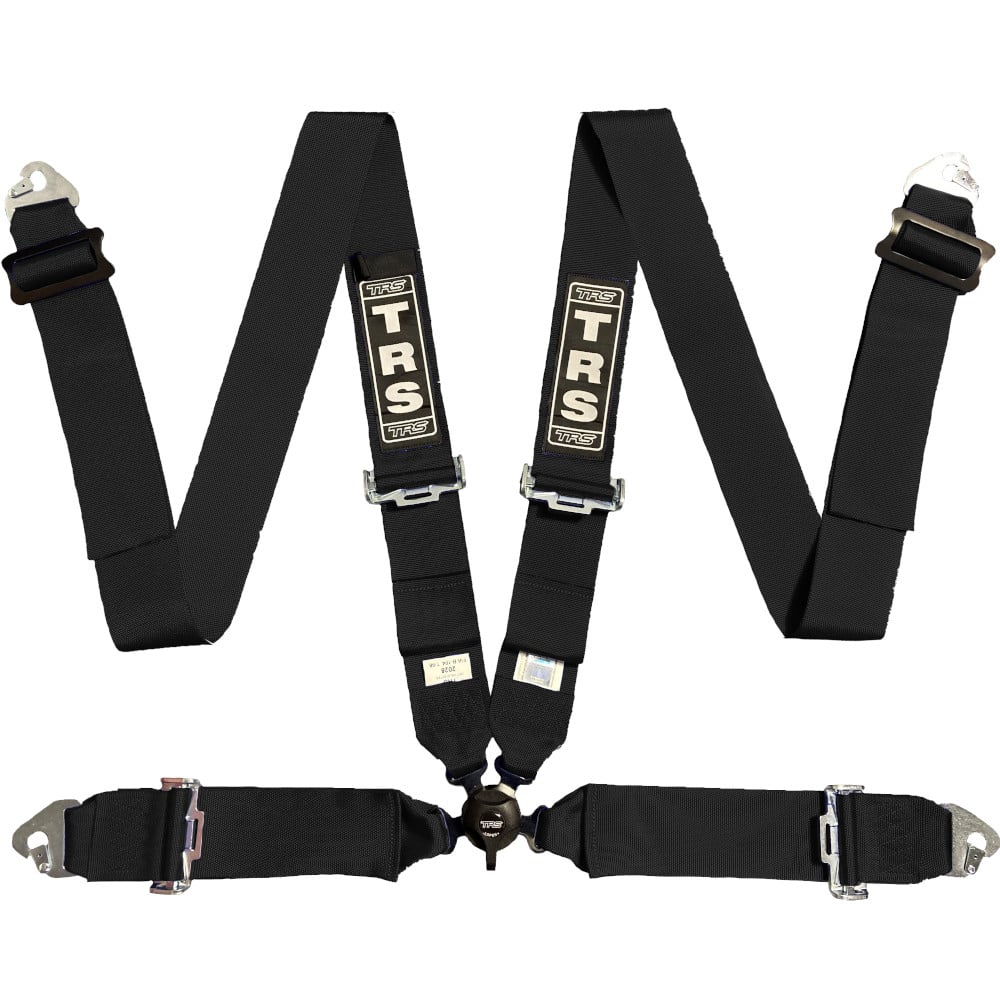
If you need an FIA harness, you are looking at a six pointOf the 77 six point harnesses we stock, almost all carry FIA 8853-2016, the current standard. Four point harnesses are mostly Road and Track, with 27 on the older 8854-1998. Every three point we stock is Road and Track. So the point count and the approval are tied together far more tightly than people expect.
Approvals
FIA harnesses carry an expiry date printed on the label, and a scrutineer will look at it. Check how long is left before you buy, especially on discounted older stock. Road and Track harnesses have no expiry but they are not accepted for competition.
Strap width
Wider straps spread the load over more of your shoulder. Narrower straps are easier to route and easier to live with over a head restraint.
Strap width does not tell you whether it suits a HANSIt is a common rule of thumb that a head restraint needs two inch shoulder straps, and our own range does not bear it out. Most of our HANS Specific harnesses are two inch, but nine of them are three inch, and most of our Not HANS compatible harnesses are two inch as well because that group is largely road belts. Filter on the HANS label below, not on the width.
Head restraint compatibility
If you run a HANS or any FHR device, or you plan to, filter on HANS Specific first. It is a smaller list but it is the one where the shoulder straps are cut and routed to sit over the device properly.
How it mounts, and this is the one to check first
The installation type has to match what is already in your car. It is the most common reason a harness arrives and will not go in.
Clip in is the most popular because it is quick and because eye bolts are cheap to add. Bolt in is the tidiest where you have threaded points. Wrap around is what you use on a cage where there is a bar in the right place and nothing to bolt to. If you are unsure what you have, take a photo of the mounting area and send it over.
Buckles
Two types across the range: 94 clip buckle and 83 aircraft buckle. A clip buckle is the lever type, quick to release with one hand and the usual choice on a road or track day car. An aircraft buckle is the rotary cam lock, which is what most competition harnesses use because it releases every strap at once with a quarter turn. Both are easy to use once you know them. The cam lock is faster in a hurry.
Getting the fit right once it is in
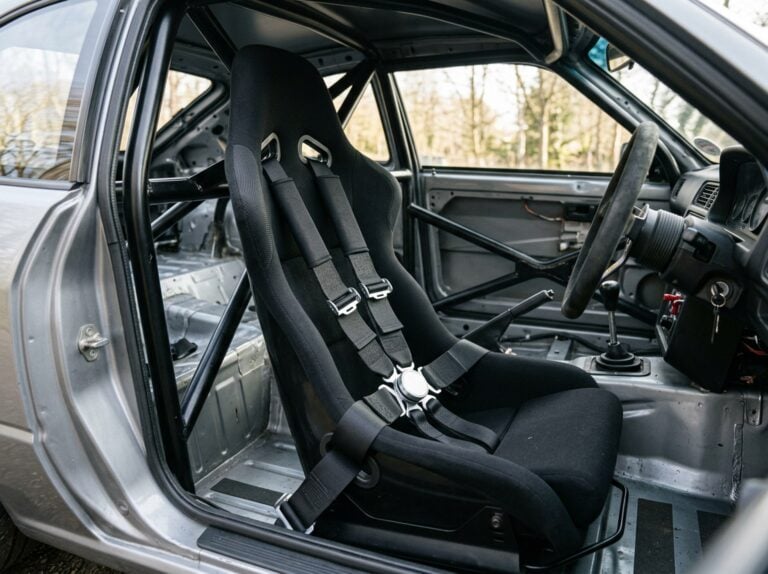
Shoulder straps want to come from behind you at or slightly below shoulder height, never from above. If they angle down onto your shoulders from a high mounting point they load your spine rather than your chest. On a saloon that usually means a harness bar or a cage, not the rear parcel shelf.
Lap straps go across your hips, low, not across your stomach. Pull the lap belt tight first, then the shoulders, then the sub straps. If you can get a flat hand between you and the shoulder strap it is not tight enough.
Send us a photo of the mounting pointsThe car, whether you have a cage or a harness bar, and whether you run a head restraint. Those three decide the harness far more than anything about your own measurements. Call 0115 989 3488 or email Sales@GSMPerformance.co.uk.
All counts read from our own product data across the harness categories, checked 2 August 2026. Counts change as stock moves, so treat them as a guide to where the range is deep.