Customer Question: What’s the Biggest Seat That Fits in My Mazda MX5?
Customer Question: What’s the Biggest Seat That Fits in My Mazda MX5? The Mazda MX5 Mk1 and Mk2 are some of the most popular lightweight
Call Garreth, Cameron & CallyAI: 0115 9893488
FREE UK shipping on orders over £100.00 & FREE gifts on checkout
Call Garreth, Cameron, CallyAI
Today On: 0115 9893488
Click Here For Our Contact Form
💺Reclining adjustable sport seats from just £247.20 Reclining seats💺
📢Customer questions answered daily in our blogs. Read our blogs today📢
🛍️Visit Garreth and Cameron at our Nottingham showroom Visit us today🛍️
The Ford Capri Mk1 remains one of the most recognisable classic Fords on the road. Its long bonnet, lightweight shell, and simple rear-wheel-drive layout have made it a favourite for fast road builds, classic restorations, and historic motorsport projects for decades.
As more Capri owners upgrade their cars for spirited driving and track use, aftermarket bucket seats have become one of the most popular modifications. The challenge is that the Capri Mk1 does not have a huge amount of interior space to work with, especially compared to modern cars. The original factory seats were relatively slim and compact, which already gives a good indication of the space limitations inside the cabin.
The standard Capri Mk1 seats were narrow in overall shape, with modest shoulder width and minimal side bolstering. This worked well for comfort and ease of access, but it also means there is not a huge amount of spare room around the door cards, centre tunnel, and B-pillar areas when installing larger aftermarket seats.
Because of this, extra-wide XL bucket seats are generally not suitable for the Capri Mk1 without major modification work. This guide focuses on the widest bucket seats we know will fit inside the Capri Mk1 without needing to cut or alter the shell of the car.
Seat fitment is especially important in older cars like the Capri Mk1 because the cabin is much tighter than most modern performance cars. A seat that physically fits on paper can still become a problem once side mounts, runners, roll cages, and interior trim are taken into account.
The biggest areas that usually cause issues are:
A seat that is too wide can stop the doors from closing properly or force the seat too far towards the centre tunnel, creating an uncomfortable driving position.
Choosing the correct seat width from the start saves a huge amount of time and avoids expensive trial-and-error fitting.
How Different Capri Specifications Change Seat Fitment
Not every Capri Mk1 has the same amount of available space inside. The specification of the car can make a big difference to what seats will fit comfortably.
For example, a stripped-out motorsport build usually creates more room because much of the original trim and sound deadening has been removed. This allows slightly wider seats to fit compared to a fully trimmed road car.
Roll cages are another major factor. While they improve safety and chassis stiffness, they often reduce the usable width around the shoulder area once side bars and door bars are installed.
Things that affect seat fitment
Because every Capri build is slightly different, we always recommend measuring the interior before choosing seats.
The Ford Capri Mk1 has a fairly compact interior by modern standards, especially around the seat area. Compared to newer performance cars, there is much less room between the door cards and centre tunnel, which is why seat sizing becomes so important when planning an aftermarket setup.
From previous fitment experience and comparison against the original factory seat dimensions, we recommend staying around or below approximately 585 mm at the shoulders and around 450 mm at the base for the cleanest fit inside the Capri Mk1 without additional modification work.
Once you move beyond these measurements, seats can start getting very close to:
The shoulder area is usually the first place where problems appear, especially on seats with aggressive wrap-around shoulder supports or integrated head protection. Wider bases can also push the seating position too far towards the centre tunnel, which affects comfort and driving position.
The original Capri seats were relatively slim with minimal bolstering, which highlights how limited the cabin space actually is compared to modern vehicles. This is why extra-wide XL bucket seats are rarely suitable without major interior modification.
The seats recommended in this guide all stay within dimensions that we know work well in the Capri Mk1, offering strong support while still fitting cleanly inside the car.
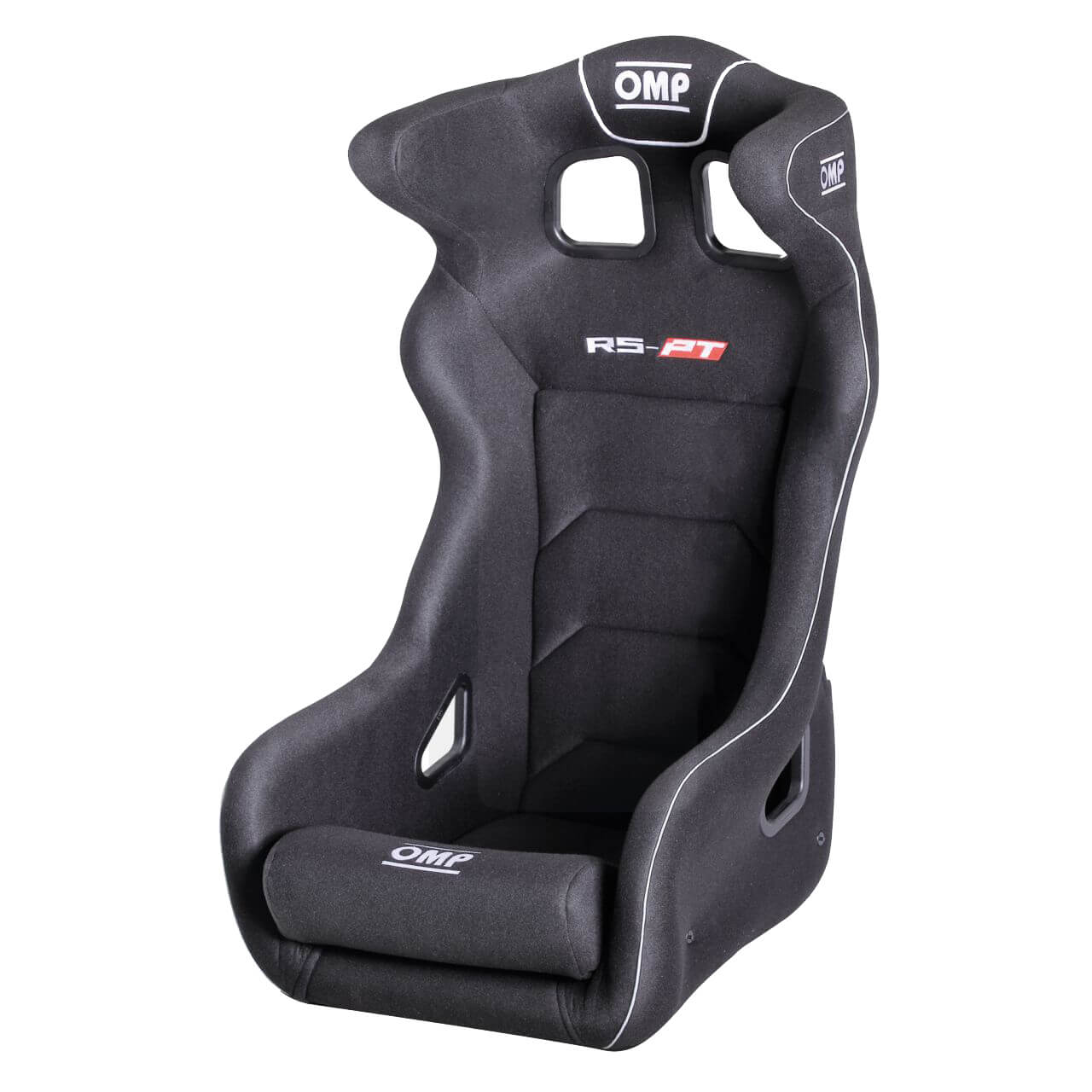
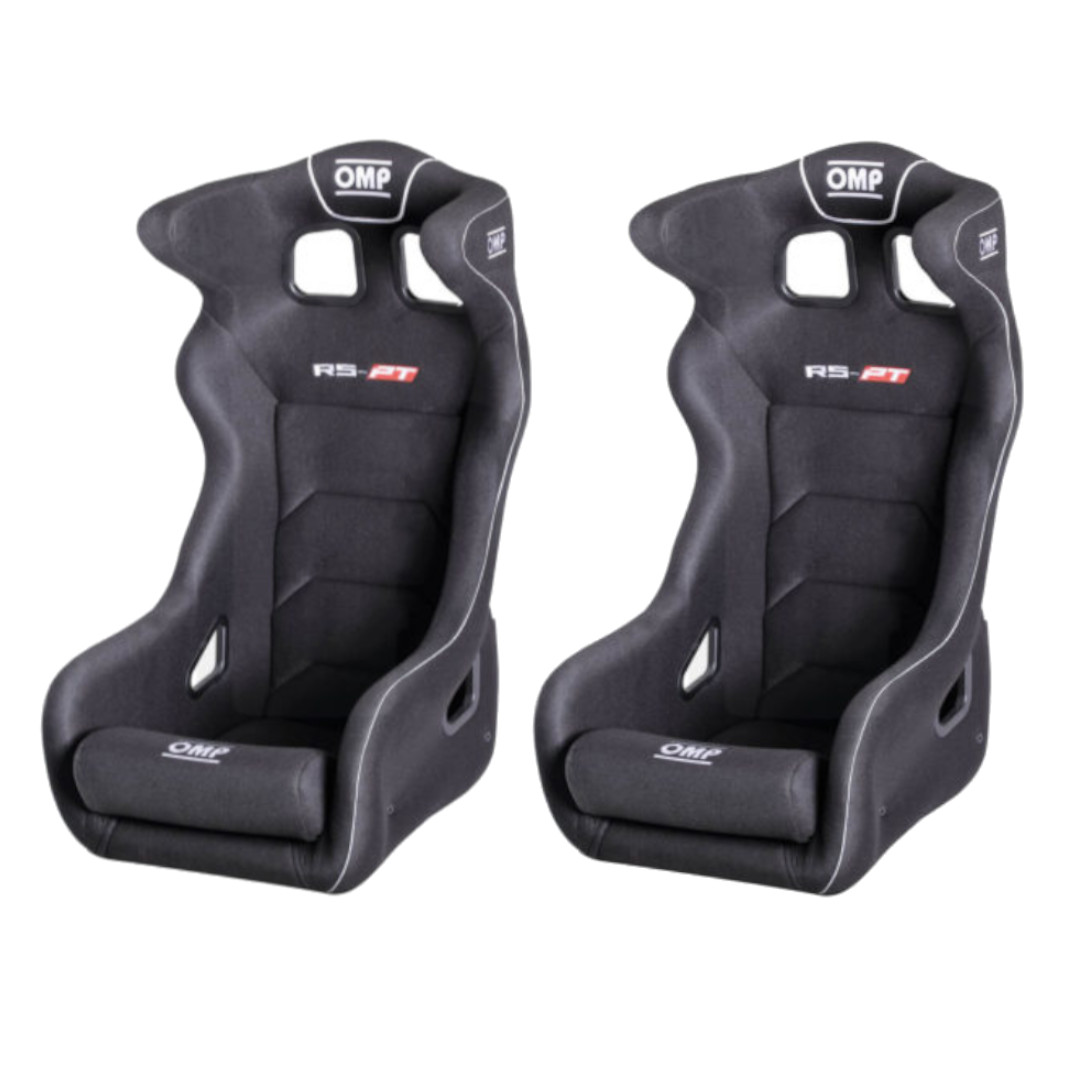
The OMP RS-PT 2 is another excellent option for Capri Mk1 owners who need a seat with integrated head protection for rallying or serious track driving. It combines a compact shell shape with a high level of support, which makes it a very strong fit for smaller classic interiors.
Compared to many modern head restraint seats, the RS-PT 2 stays relatively slim through the shoulder area, helping avoid clearance issues around B-pillars and roll cage tubing. This is important in the Capri Mk1, where even small increases in shoulder width can create fitment problems.
The seat has a deep bucketed design with pronounced leg supports and large shoulder wings that hold the driver securely during aggressive driving. The built-in head restraints also provide additional protection during side impacts, making this seat particularly popular in rally and motorsport builds.
OMP trims the RS-PT 2 in velour fabric, which gives good grip and comfort while still being durable enough for repeated motorsport use. The removable cushions are also useful for cleaning, maintenance, or slight driving position adjustments.
Despite its aggressive shape, the overall shell dimensions remain surprisingly compact, which is why it works well in restricted interiors like the Capri Mk1.
Main measurements
Driver fitment
Recommended for drivers with a 30 to 34-inch waist.
Key features
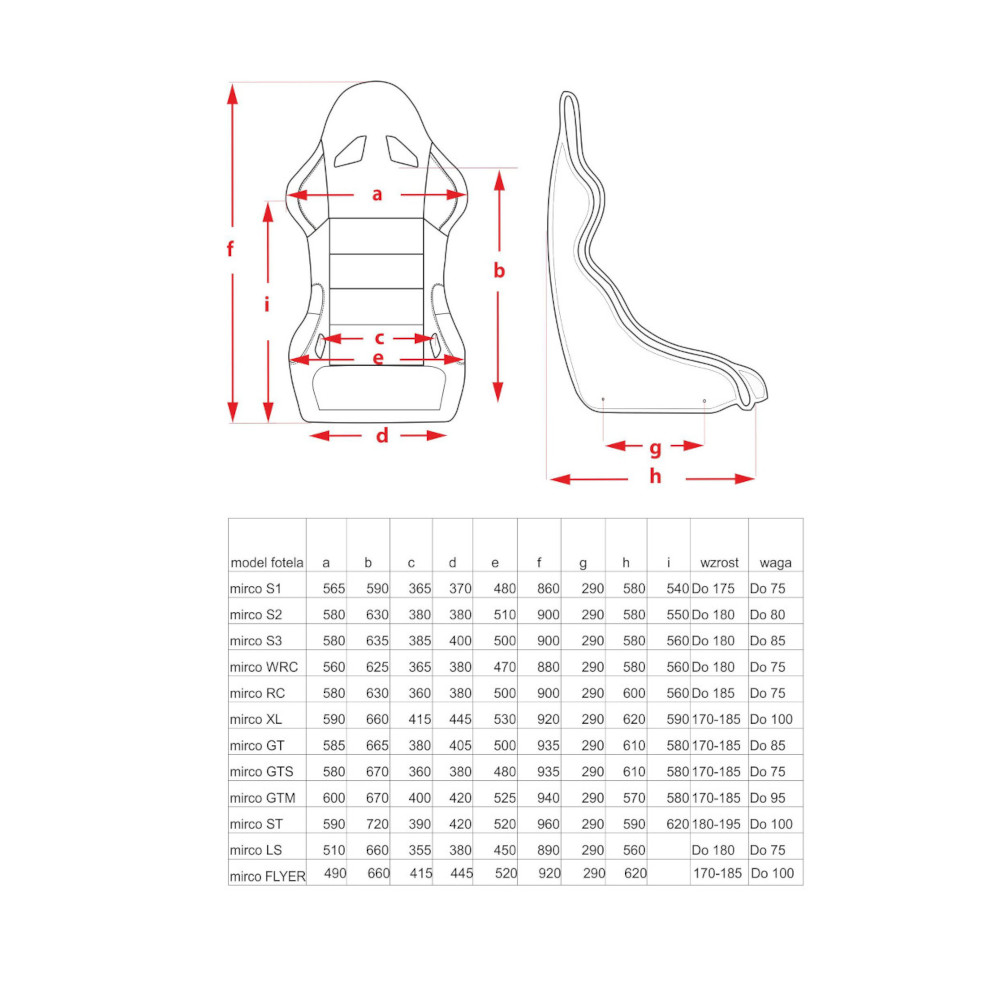
The Mirco RS2 is one of the largest bucket seats we would confidently recommend for the Ford Capri Mk1 while still keeping within realistic fitment limits. It is a serious motorsport seat designed for drivers who need maximum support and protection, especially during heavy cornering, braking, and rally-style driving conditions.
One of the reasons this seat works surprisingly well in tighter classic interiors is the shape of the shell itself. Although the shoulders are wide and supportive, the base remains relatively compact compared to many other modern motorsport seats. This helps keep clearance around the centre tunnel and door cards manageable inside the Capri.
The RS2 uses a strong fibreglass shell construction and is trimmed in breathable 3D spacer fabric, which improves airflow and comfort during longer drives or track sessions. The seat also features deep leg supports and aggressive wrap-around shoulders, helping hold the driver firmly in place without needing to brace against the steering wheel or door card.
Its integrated head support design makes it especially suitable for rally cars, heavier track use, and more serious motorsport environments where added upper-body protection is important. Despite this, it still remains compact enough to work inside the Capri Mk1 without requiring structural changes to the car.
Main dimensions
Driver fitment
Recommended for drivers with a 30 to 36-inch waist.
Key features
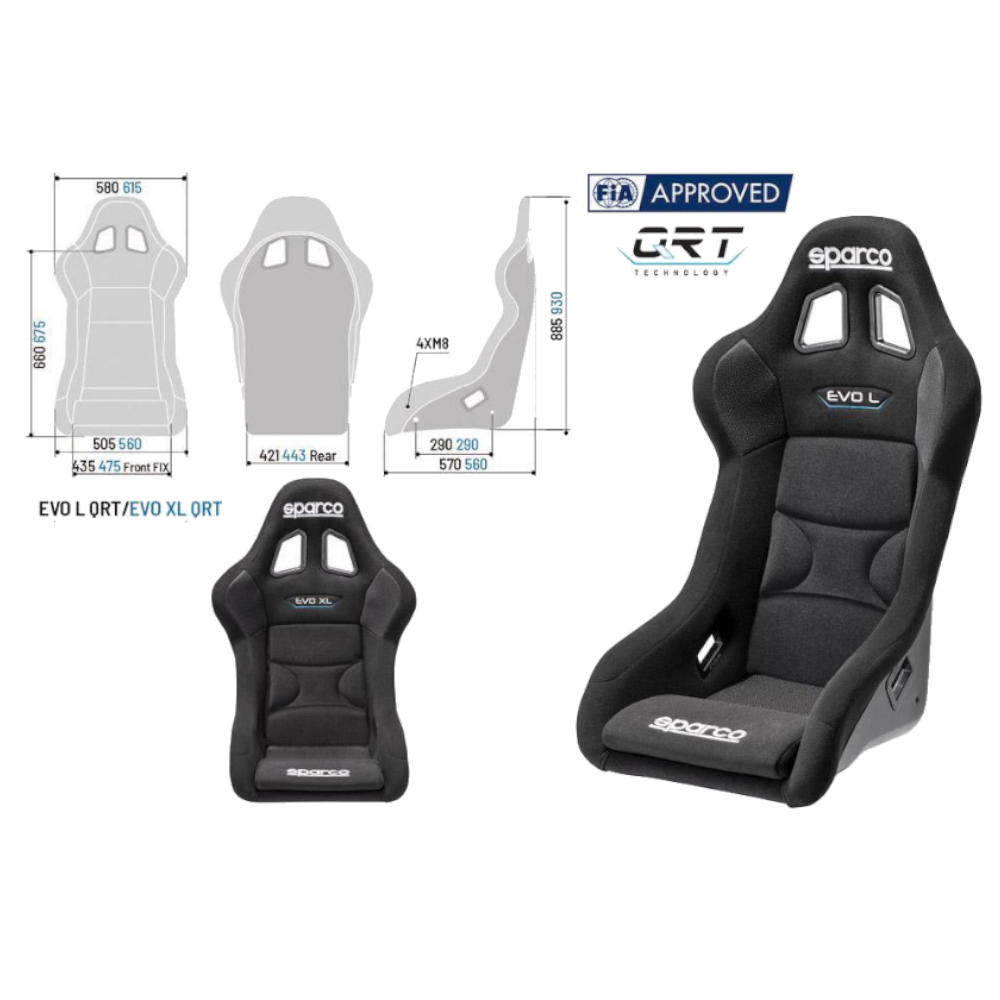
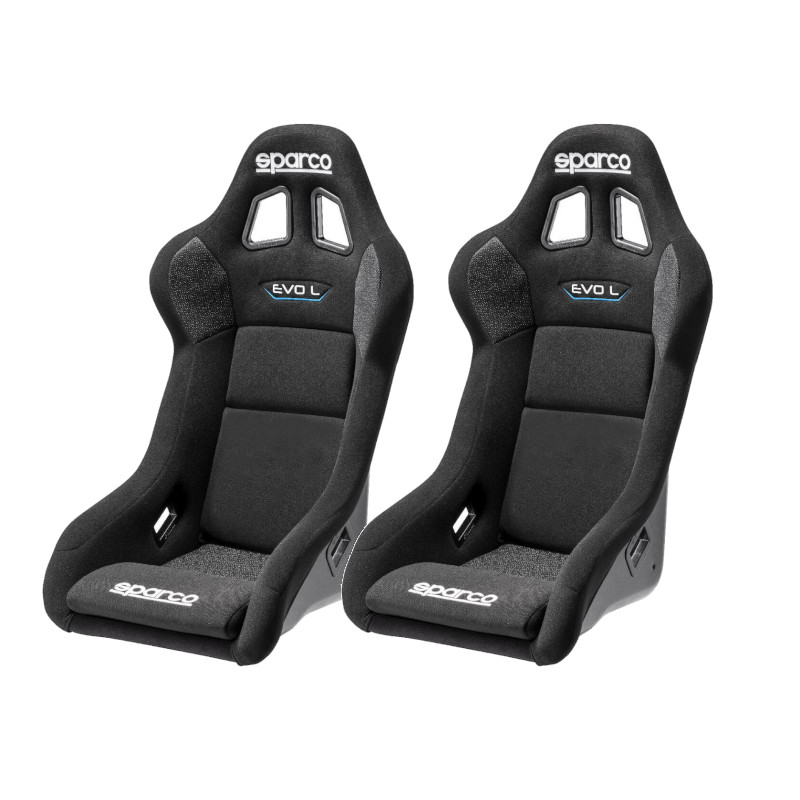
The Sparco Evo L QRT is one of the best all-round bucket seat options for the Capri Mk1. It balances motorsport support with a more open and usable shape, making it a strong option for both fast road and track builds.
Unlike some more aggressive competition seats, the Evo L has lower side bolsters and a more open shoulder design. This makes entry and exit much easier, which is especially useful in classic cars with smaller door openings like the Capri Mk1.
Sparco’s QRT shell technology keeps the seat lightweight while improving shell stiffness and strength. This reduces overall vehicle weight and gives the seat a more responsive, solid feel under hard driving.
The shoulder design also helps avoid one of the biggest fitment problems in older cars, which is shoulder wings contacting the B-pillars or door cards. The Evo L remains supportive without becoming overly wide or intrusive.
Internally, the seat offers more room around the hips than the OMP seats, making it better suited to slightly broader drivers while still fitting comfortably inside the Capri.
Main measurements
Driver fitment
Recommended for drivers with a 32 to 36-inch waist.
Key features
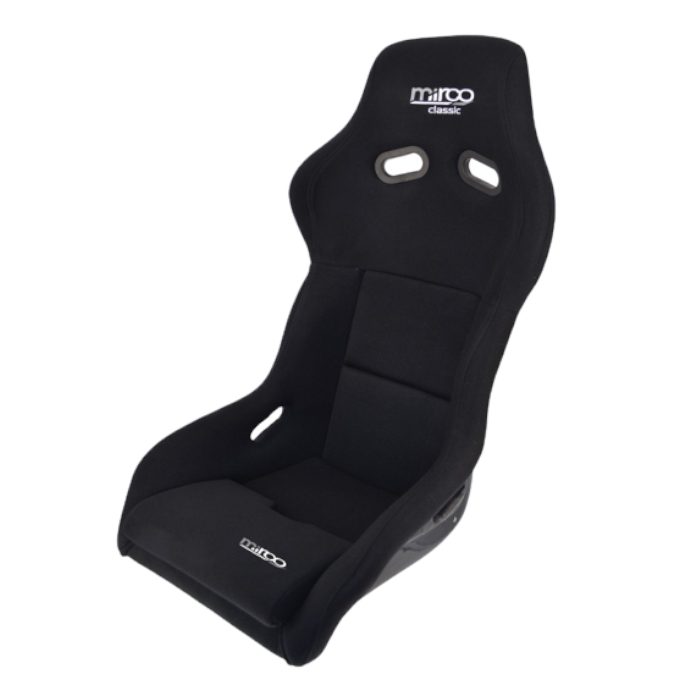
The Mirco Classic is the most traditional-looking seat in this guide and suits the Capri Mk1 extremely well from both a styling and usability perspective. It keeps a more subtle shape compared to the more aggressive motorsport seats while still providing modern support and FIA approval.
The lower side bolsters and softer shoulder profile make it much easier to get in and out of the car, which is ideal for road-driven Capris or builds that still retain much of the original interior trim.
Its design also fits the character of the Capri very naturally. The more understated shape does not overpower the interior and works well in classic restorations or period-style builds.
Although it is less aggressive, it still offers far more support than the original factory seats. The wider hip area also makes it one of the better options for larger drivers who may struggle with tighter motorsport shells.
The fibreglass shell construction keeps weight down while maintaining rigidity, and the overall shell dimensions remain compact enough to fit cleanly inside the Capri Mk1.
Main measurements
Driver fitment
Recommended for drivers with a 32 to 36-inch waist.
Key features
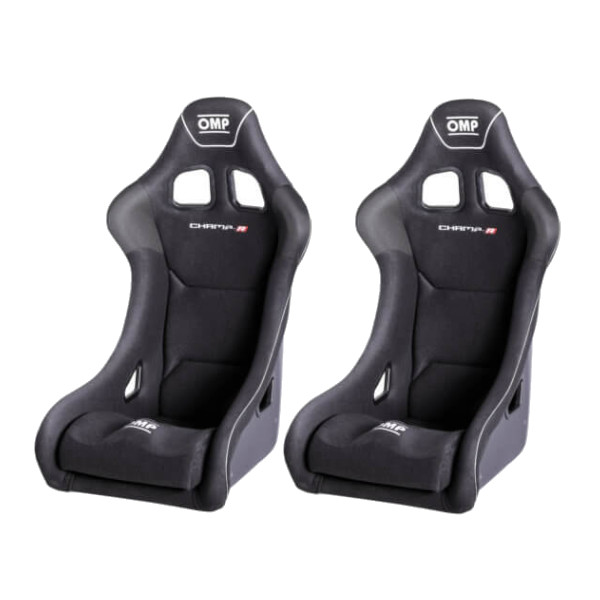
The OMP Champ-R is designed for drivers who want a highly supportive motorsport seat without the added size of integrated head restraints. It has a much more aggressive shape than many traditional bucket seats, but still remains compact enough to work inside the Capri Mk1.
The seat uses high side bolsters and wrap-around shoulder supports to keep the driver planted during hard cornering and braking. This makes a huge difference in older cars like the Capri, where the original seats offer very little lateral support.
Because the Champ-R does not feature head protection wings, it keeps the upper section of the seat narrower and easier to work with inside tighter interiors. This helps reduce clearance issues around roll cages and B-pillars while still delivering a very focused driving position.
The fibreglass shell keeps weight low while maintaining rigidity, and the velour trim provides strong grip to stop the driver sliding around under load. The deep leg supports also help stabilise the lower body during aggressive driving.
For drivers building a more serious track-focused Capri, the Champ-R offers a modern motorsport feel while still fitting within the car’s limited cabin space.
Main measurements
Driver fitment
Recommended for drivers with a 30 to 34-inch waist.
Key features
When choosing seats for the Ford Capri Mk1, shoulder width and base width are the most important measurements. We recommend staying under around 585 mm at the shoulders and 450 mm at the base for the best fit without modifying the car.
The Mirco RS2 is a good reference point for the largest seat size that comfortably works in the Capri Mk1. Anything larger can start causing issues around the door cards, B-pillars, and centre tunnel.
Different interiors can also affect fitment. Stripped-out track cars usually have more space than fully trimmed road cars, and roll cages can reduce shoulder clearance.
Things to measure before buying
We always recommend measuring your own interior before choosing seats.
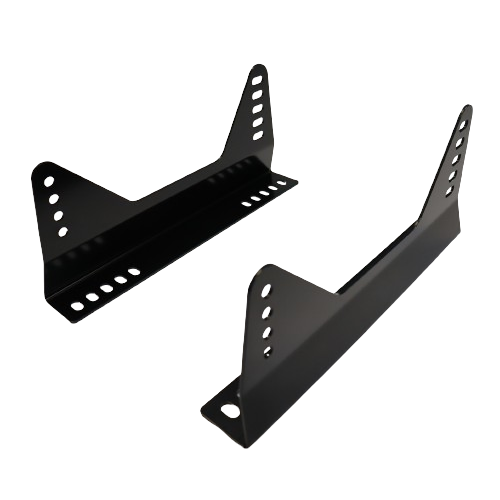
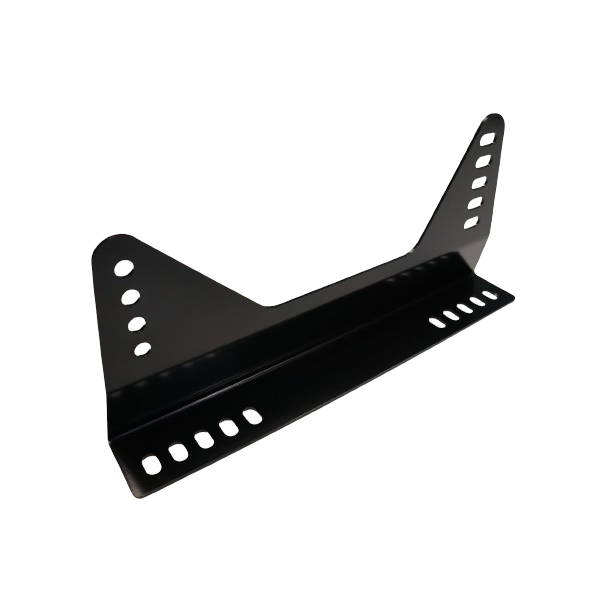
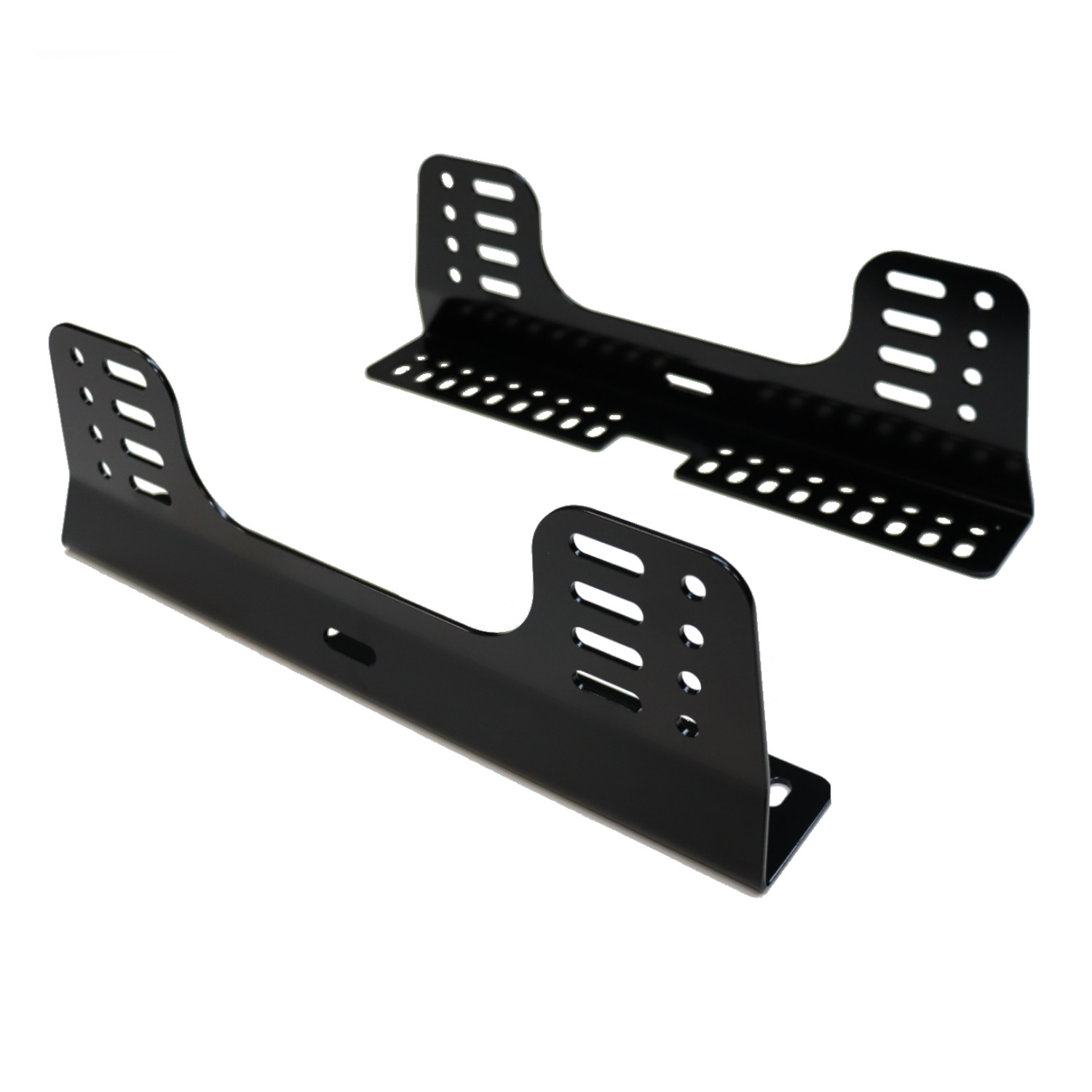
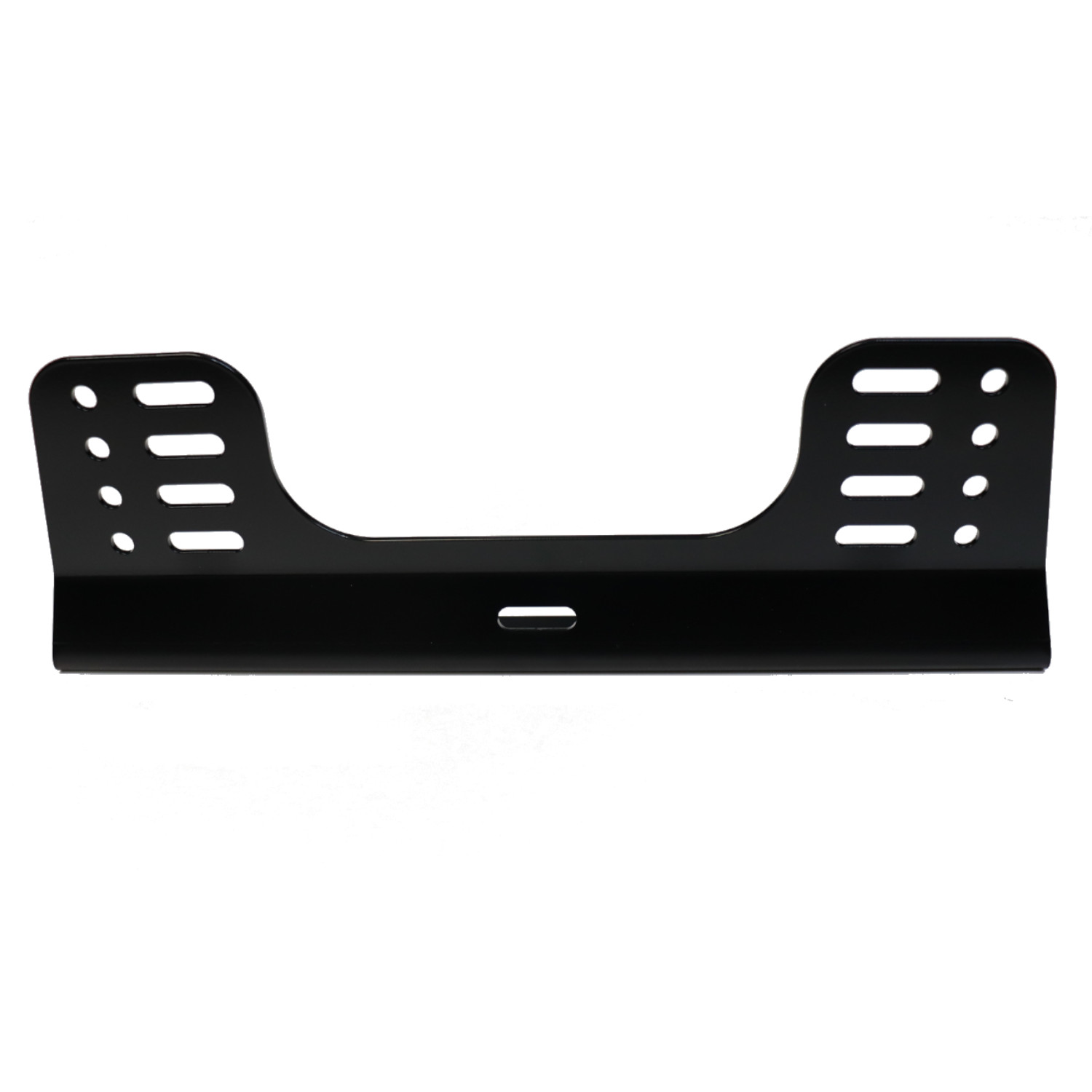
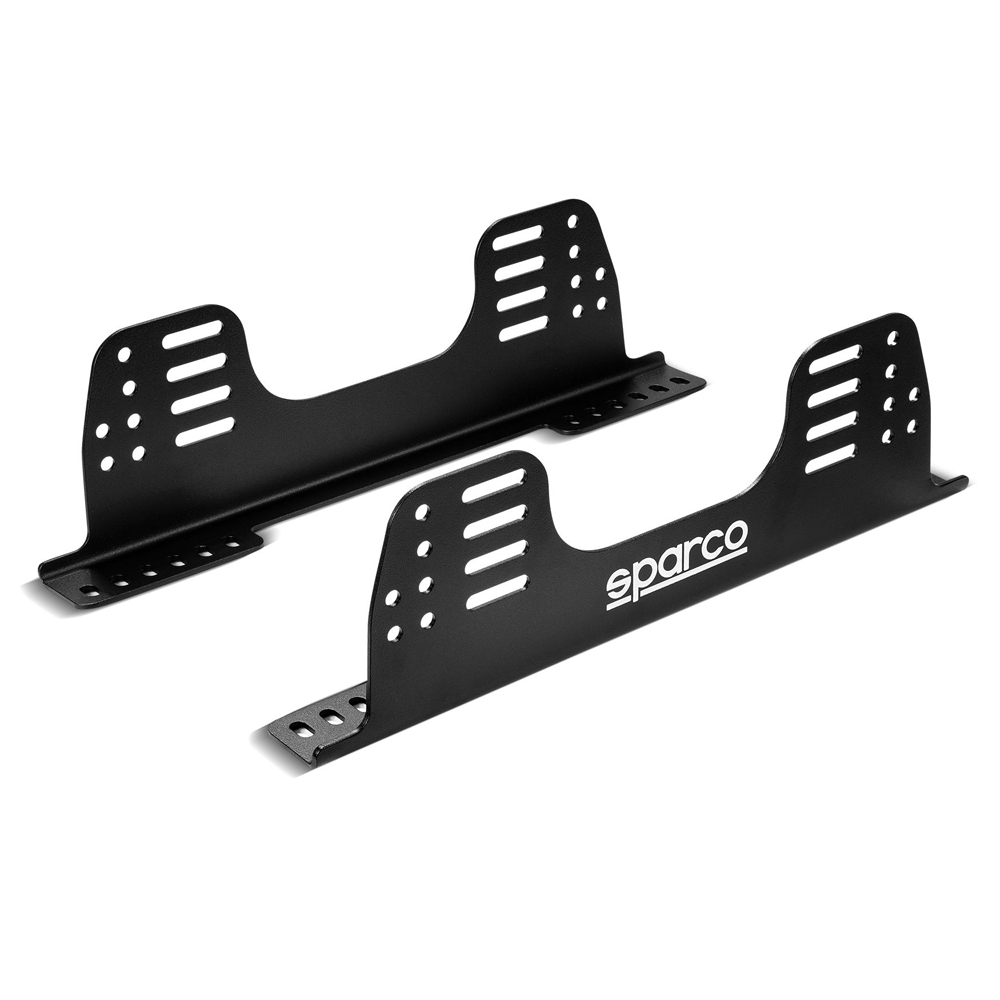
All of the seats in this guide are side-mounted, so side mounts are required for installation.
Because of the Capri Mk1’s age, there are no direct-fit aftermarket subframes available. Most setups use fabricated mounting frames or adapted original frames.
Many owners mount the seats low to the floor to improve headroom and driving position, especially in cars fitted with roll cages.
All these seats use the common 345 mm bolt pattern with side mounts, making them compatible with most universal mounting hardware.
Common installation parts
Sliding runners are useful for road cars, but for motorsport we always recommend a fixed setup for maximum safety and rigidity.
The best seat choice depends on how you use your Capri.
For serious motorsport or rally use, the Mirco RS2 and OMP RS-PT 2 offer the highest levels of support and protection.
For aggressive track driving without head restraints, the OMP Champ-R and Sparco Evo L are excellent options.
For more relaxed road use and a more classic appearance, the Mirco Classic is one of the best choices available.
The Ford Capri Mk1 may not have the largest interior, but there are still several excellent bucket seat options that fit properly without major modification work.
The key is balancing support with realistic dimensions. Staying below roughly 585 mm at the shoulders and 450 mm at the base helps avoid the common clearance problems around the doors, tunnel, and B-pillars.
With the right seat and mounting setup, you can dramatically improve both comfort and driver support while keeping the classic character of the Capri intact.

Customer Question: What’s the Biggest Seat That Fits in My Mazda MX5? The Mazda MX5 Mk1 and Mk2 are some of the most popular lightweight

Our Guide to the Largest Bucket Seats You Can Fit in a Capri Mk1 The Ford Capri Mk1 remains one of the most recognisable classic

Our Definitive Bucket Seat Guide To Your MEV Exocet The MEV Exocet is one of the most raw and engaging kit cars on the road.

Fitting Recaro Pole Position Seats into a BMW E30 The BMW E30 is one of those cars where the interior plays a big part in

The Complete Guide to Safety Devices Roll Cages for Peugeot Models Safety Devices has built a strong reputation in motorsport safety over many years, and

A Complete Guide to Lumbar Support Pads for Bucket Seats If you run a fixed back bucket seat, you will already know they are built
On all orders above £100
Try before you buy
Aftership Tracking Updates