FIA Bucket Seats For A Bertone X1/9: What Fits A 6ft 3in Driver With A 38in Waist
A customer question, answered off our stock data and the maker drawings
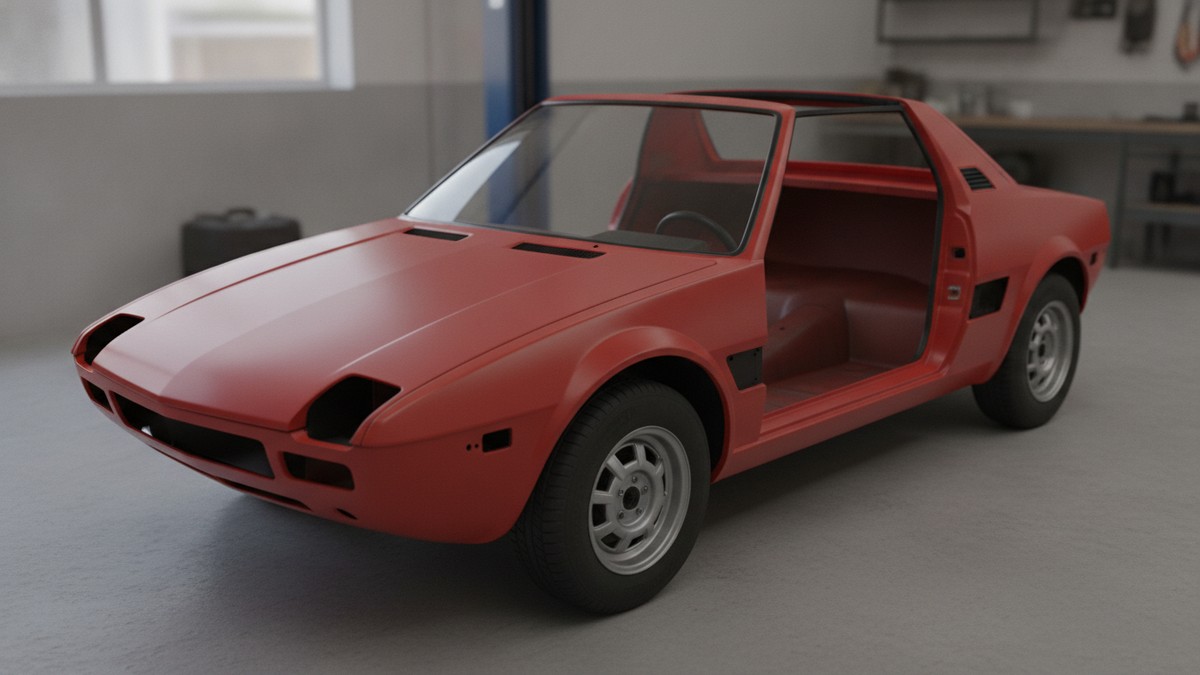
A customer rang this week with one of the better questions we have had in a while. He has a 38 year old Bertone X1/9, right hand drive, interior stripped to bare metal. He wants motorsport certified seats he can still use on a Sunday. And he is 6ft 3in with a 38in waist, which is where it stops being a simple order and starts being a conversation.
The honest answer is that there are two shortlists here and they barely overlap. There are seats that fit a man his size, and there are seats that fit a car this small, and they are not the same seats. This page gives you both, both sets of maker drawings, and the measurements that decide which way you go.
One rule runs through all six: no head support. Garreth was firm on that and he is right. A head support makes the shell taller, and in an X1/9 with a driver this tall the roof is the enemy. Every seat below is a plain shell.
- Two shortlists: three seats sized for the driver, three sized for the car
- Every seat here has no head support, because the roofline will not spare the height
- The driver seats run 580 to 600mm wide. The narrowest car seat is 505mm
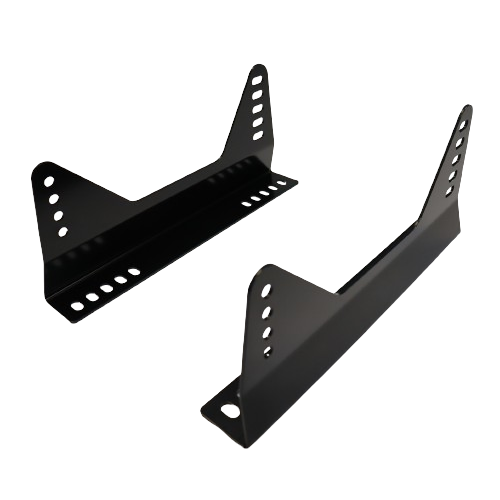
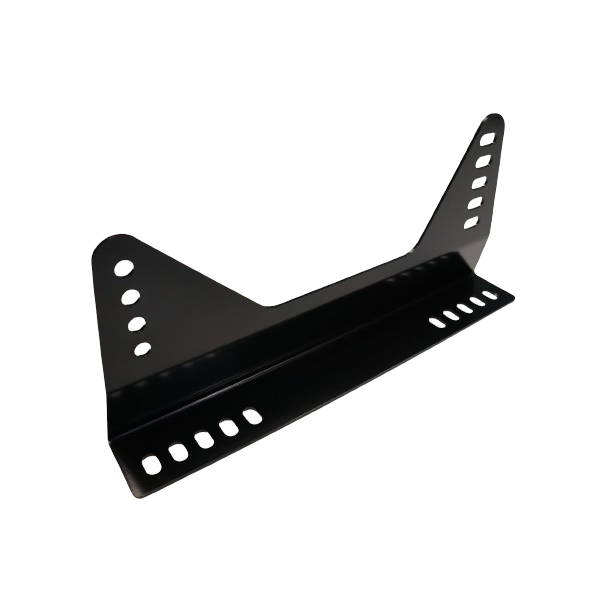
- No X1/9 seat bracket exists, so the build is universal side mounts on fabricated floor mounts
- Prices inc VAT, checked against live stock on 25 August 2026
Which part of this is actually hard
Taking the question apart makes it much easier to answer, because three of the four things he asked for are ordinary and one is not.
FIA certified
Straightforward. We list well over a hundred FIA homologated seats. This is the least of his problems.
Usable at weekends
Manageable, and he has set his expectations sensibly. A fixed back composite shell is never a sofa, but plenty of people daily them.
6ft 3in and a 38in waist
This is the one. Tall narrows the field, wide narrows it again, and the two together cut it down to a handful.
The X1/9 itself
The thing he did not ask about. Nobody makes a bracket for this car, the cabin is small and the roof is low.
Why none of these has a head support
This is the first thing we would rule out, and it is why a couple of otherwise excellent seats are not on this page.
A shell with an integrated head support is taller. On most cars that costs you nothing. In a low mid engined car with a driver at 6ft 3in it costs you the thing you have least of, which is the gap between the top of your head and the roof. Fit a tall shell and you either sit with your head against the roof or you drop the seat so far that the wheel and the pedals stop making sense.
So every seat here is a plain shell with no head support. That is not a compromise on safety, it is choosing the right shape of seat for the car it is going into.
The 38 inch trap, and why the cheap answer is not simple
Sort our FIA seats by price and the first two results are the Sparco Sprint at £252.00 and the Sparco Sprint L at £284.40. The L stands for large, so the obvious move is to take the L. Our own product page warns against it.
The Sprint is rated 32 to 36 inches. The Sprint L is rated 40 to 42 inches. A 38in waist lands in the gap: too big for one shell, swimming in the other. Sparco do not make a Sprint in between.
Which does not rule the standard Sprint out of this job, and that is the interesting part. It appears on the second list below, because in a car this small the shell that fits the cabin may matter more than the shell that flatters the driver. Hold that thought.
Three seats sized for the driver
Take the car out of it for a moment and ask only what suits a tall, broad driver who needs an FIA shell with no head support. These are the three.
-
From £476.40 Incl. VATFrom £397.00 Excl. VATPayPal Credit250+ coloursKlarna ReadySelect options This product has multiple variants. The options may be chosen on the product page
-
From £418.80 Incl. VATFrom £349.00 Excl. VATPayPal Credit250+ coloursKlarna ReadySelect options This product has multiple variants. The options may be chosen on the product page
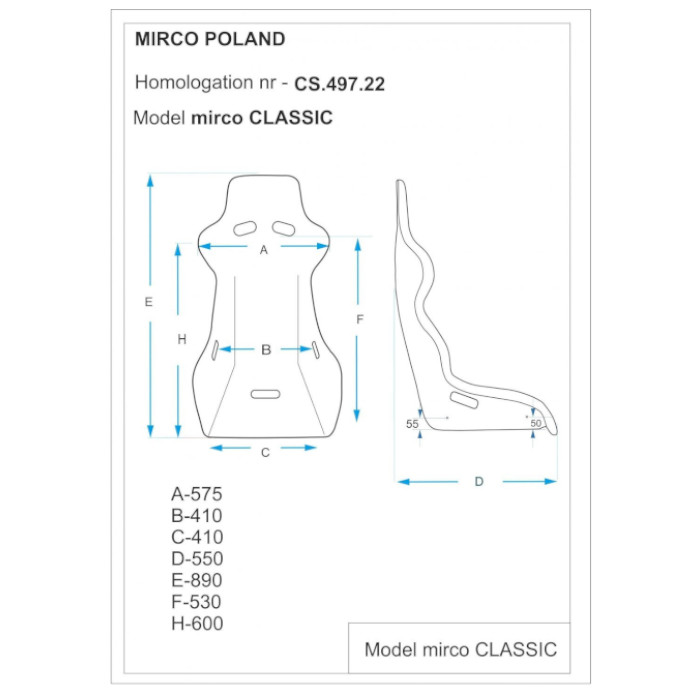
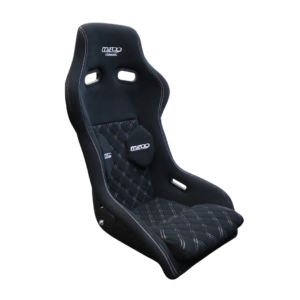
Mirco Classic FIA, £476.40. A plain shell, no head support, FIA 8855-1999, rated for all heights. The Classic shape is a wide old school bucket without the aggressive shoulder bolsters that make modern shells awkward to get into, which counts in a car where you drop in over a wide sill.
Mirco RTS-2 Velour, £418.80. The cheapest of the three and the one with the strongest data behind it. Mirco rate the RTS shell for both the 32 to 36 and the 36 to 40 waist bands, and their own table takes it to 190cm and 100kg. Read the next section before taking that as a yes, because 190cm is the number that matters here.
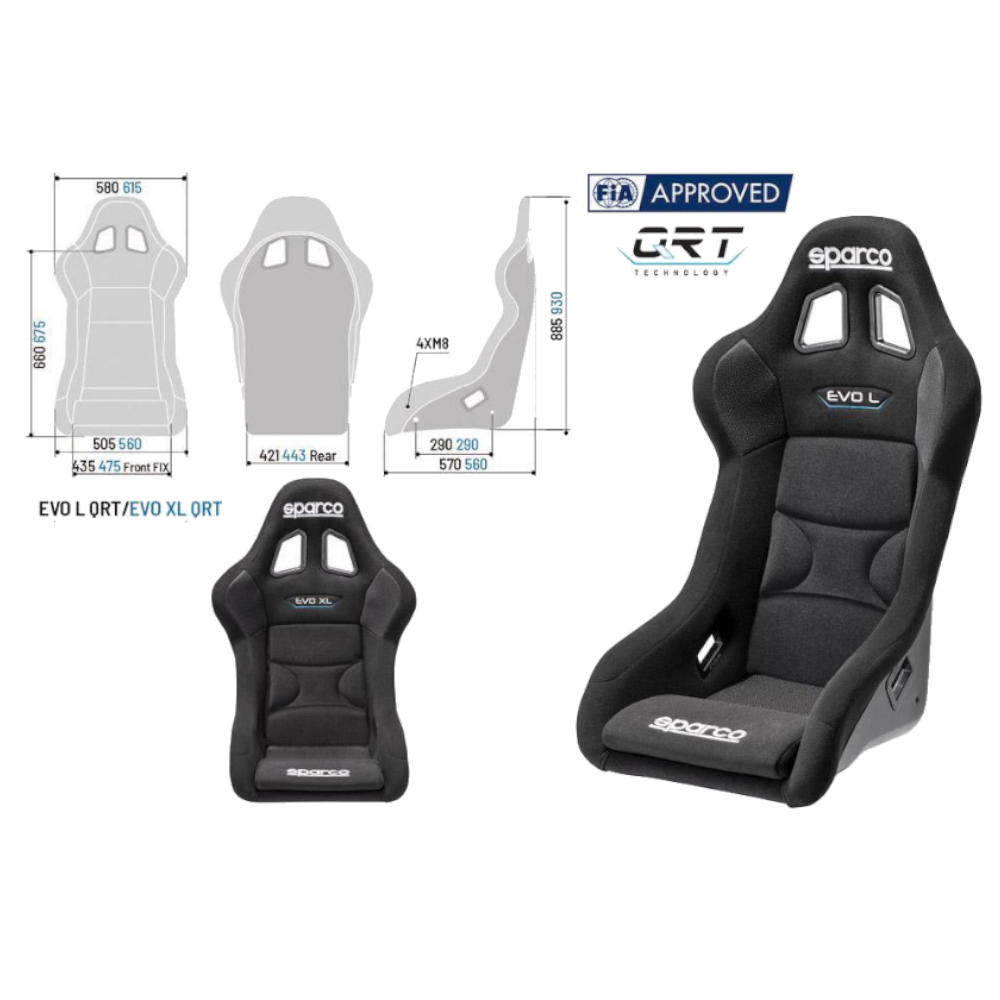
Sparco Evo L QRT FIA, £612.00. Fibreglass, 580mm across the shoulders, part number S008013RNR if you are cross referencing. The Evo shape is deeper and more wrapped than the Mircos, so it holds you better and is tighter to climb into. Sparco also make the Evo XL at 615mm if the L proves too narrow, which is a useful ladder to have on one drawing.
Measure your shoulders and your wingspan
This is the part we would push hardest on, and it is where most online seat advice falls down. A waist band gets you into the right area. It does not tell you whether the shell fits your frame.
Measure across your shoulders at the widest point, sitting down, wearing what you drive in. Then measure your wingspan, fingertip to fingertip with your arms out. Wingspan tracks your frame better than height does, and two men of the same height with different builds sit very differently in the same shell.
Then compare both against the internal area on the maker drawing, not the external width. External width tells you whether the seat fits the car. Internal tells you whether you fit the seat. They are different numbers and confusing them is the single most common reason a seat comes back to us.
Mirco publish a full model table. Find the RTS row and read across: 600mm at a, 660 at b, 405 and 430 through the middle, 930 tall.
The last two columns decide this case. Wzrost is height in centimetres, waga is weight in kilos. The RTS row reads up to 190cm and up to 100kg.
Our customer is 6ft 3in, which is 190.5cm. He is fractionally over Mirco’s own stated limit for that shell. Not by much, and it does not make the seat unusable, but we would be doing him no favours by not pointing straight at it.

Sparco put the Evo L and the Evo XL on one drawing, which makes the step between them easy to see: 580mm across the shoulders on the L, 615 on the XL.
The base changes with it. 505mm on the L against 560 on the XL, and the front fixing centres go from 435 to 475. In a car where the mount is being fabricated, those fixing numbers matter as much as the width does.
The L is 885mm tall and the XL 930mm. In a low car, 45mm of extra shell height is not a detail.

Three seats sized for the car
Now flip it round. Forget the driver and ask which FIA shells stand the best chance of physically going into an X1/9 without a fight. Different question, different answer.
-
From £252.00 Incl. VATFrom £210.00 Excl. VATPayPal CreditSelect options This product has multiple variants. The options may be chosen on the product page
-
From £282.00 Incl. VATFrom £235.00 Excl. VATPayPal CreditKlarna ReadySelect options This product has multiple variants. The options may be chosen on the product page
-
From £239.40 Incl. VATFrom £199.50 Excl. VATPayPal CreditSelect options This product has multiple variants. The options may be chosen on the product page
Sparco Sprint FIA, £252.00. 505mm at its widest, which is 75mm narrower than the Evo L and 95mm narrower than the Mirco RTS. In a cabin this tight that is not a small margin, it is the difference between going in and not. It is also the cheapest FIA seat we sell.
Cobra Monaco Pro FIA, £282.00. Made in the UK, part MNP-S, and 550mm across the shoulders on Cobra’s own drawing. That sits it neatly between the Sprint and the driver sized shells. It is a compact classic shape that has been going into small British and Italian cars for years, which is exactly the job here, and the steel shell takes either a base mount or side mounts, which is useful when the mount is being fabricated from scratch.
OMP TRS-E Velour, £239.40. The cheapest seat on this page and a genuinely small shell. If the tape says the cabin is tighter than any of us expect, this is the one still in the conversation. OMP also do the TRS-E XL if there turns out to be more room than the numbers suggest.
The Sprint drawing, and the number to hold on to: 505mm at its widest, 480mm across the base, 418mm front and rear fixing centres.
670mm deep, 860mm tall, on four M8 fixings. Those fixing centres are what a fabricated mount has to line up with, so write them down before anyone starts cutting steel.

Cobra publish a proper drawing for the Monaco Pro: 550mm across the shoulders, 250 at the top of the shell, 870mm tall and 660mm deep.
The base is the interesting part for a fabricated mount: 360mm, 510mm and 405mm at three different points, and 180mm up the side. Take those to whoever is making the floor mount.
The side view answers the head support question on its own. One continuous back with the harness slots cut through it, and nothing standing proud at the top.

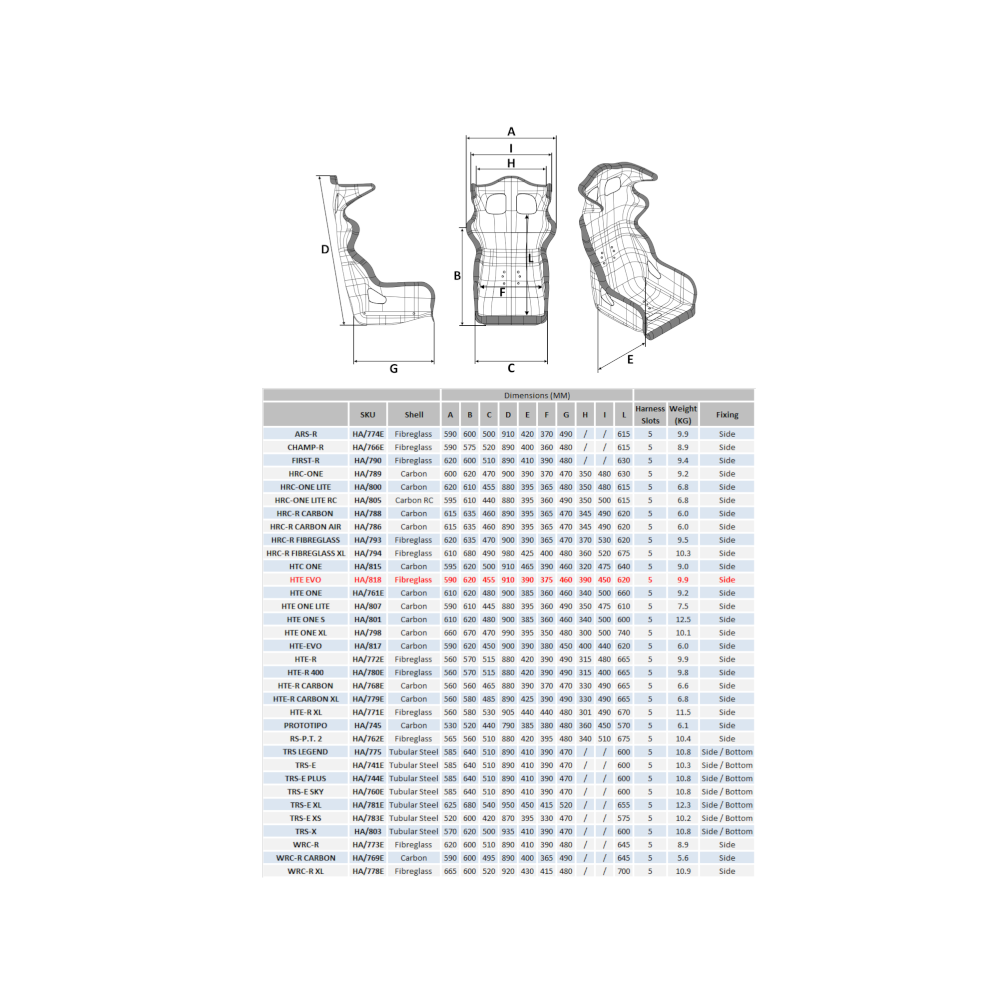
OMP publish the same kind of table for their range including the TRS-E. Same method: find the row, read across, compare the internal figures against your shoulders and the external ones against the car.
The one gap left on this page is the Mirco Classic, which has no row on Mirco’s table. If that is the shell you want, ring us and we will get the figures from Mirco before you order. We are not going to invent them.

The two lists do not agree, and that is the real answer
Put the two shortlists side by side and the problem is obvious. The seats sized for the driver are 580 to 600mm across. The seat most likely to fit the car is 505mm. There is 75 to 95mm between them and it has to come from somewhere.
There are only three honest outcomes and the tape picks between them. Either the cabin turns out wider than expected and a driver sized shell goes straight in. Or it is tight, and the answer is the narrower shell set lower and further back to buy room. Or it genuinely will not take a wide FIA bucket, and then the conversation changes to what else the car could run.
Anybody who tells you which of those three it is without measuring your car is guessing. That is why this page has drawings on it instead of a single recommendation.
The four measurements to take off the car
- Sill to tunnelThe narrowest point across the floor where the seat has to sit. Compare it against the external width: 505mm for the Sprint, 550 for the Monaco Pro, 580 for the Evo L, 600 for the Mirco RTS.
- Floor to roofMeasured where his head will actually be, not at the tallest point of the cabin. With a targa car, measure it with the roof panel in place.
- Bulkhead to pedalsHow far back the seat can go and still leave him able to reach. On a mid engined car the bulkhead is closer than people expect.
- Door apertureThe seat has to get in through the door before any of the rest matters, and an X1/9 door opening is not large.
Four numbers off the car, two off the driver. Six measurements and twenty minutes settles a question that no amount of reading will.
Nobody makes a bracket for an X1/9, and that is fine
We searched the whole range. There is no X1/9 subframe, no X1/9 side mount, nothing. Not an oversight, it is a 38 year old low volume Italian car and the aftermarket never made one.
Here is the part that turns it round: his interior is already stripped to bare metal, and that makes this easier. With the floor bare you can see the structure, put a fabricated mount exactly where it needs to go, and set the seat at the height and angle the driver needs. On a trimmed car you are working around somebody else’s brackets and carpet. He is not.
-
From £46.80 Incl. VATFrom £39.00 Excl. VATPayPal CreditSelect options This product has multiple variants. The options may be chosen on the product page
-
From £34.80 Incl. VATFrom £29.00 Excl. VATPayPal CreditSelect options This product has multiple variants. The options may be chosen on the product page
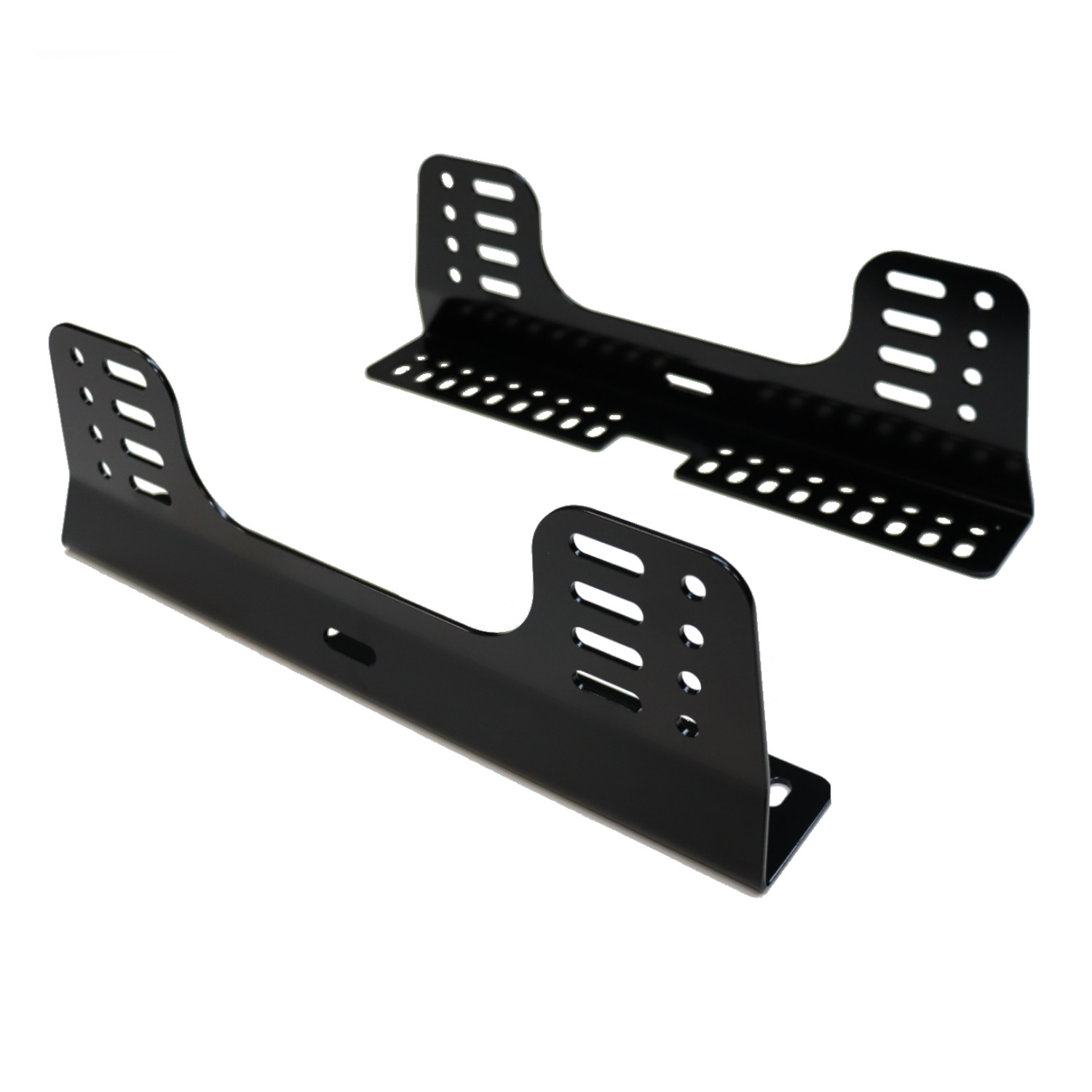
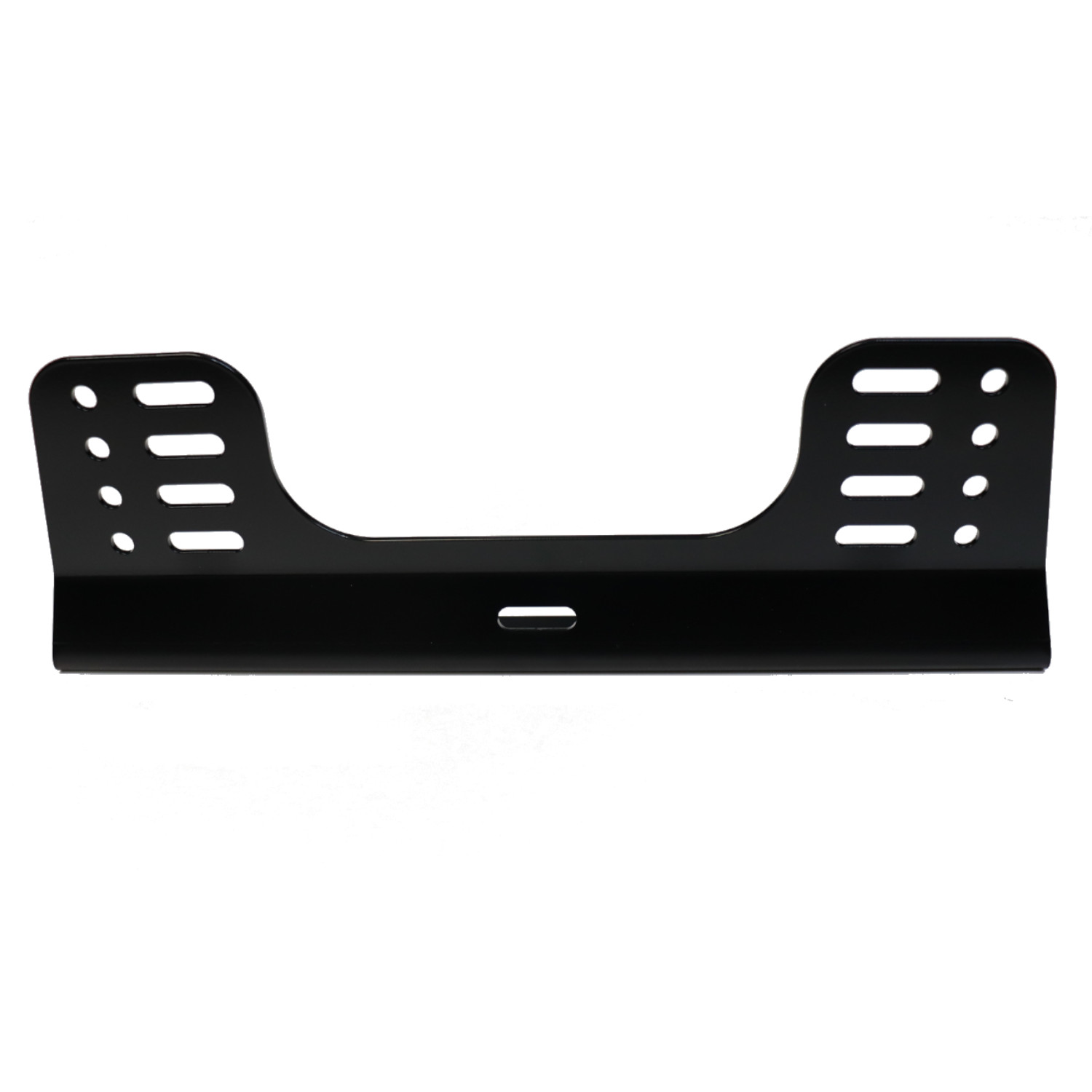
Endurance Multi Point M8 Side Mounts, £46.80 per side. Four rows of slots on the upright face, so the height stays adjustable after the mount is made. In a car with no known good answer, being able to move the seat without cutting anything again is worth having.
Endurance Steel M8 Side Mounts, £34.80 per side. The fixed version. One height, cheaper, and the right choice once the position is settled.
Both are sold per side. What we will not do is give you a millimetre figure for how high any of it sits, because that depends entirely on what gets fabricated underneath.
What FIA certified actually commits you to
Worth being clear about, because it is the bit customers most often find out about afterwards.
An FIA 8855-1999 seat carries a validity on its own label: five years from the date of manufacture, which the maker can extend by a further two with a revalidation and an extra label. That is a property of the individual seat, not of the standard. The end of 2026 expiry repeated online is people reading their own seat label and assuming it applies to everybody. The 8855-1999 standard itself is not being withdrawn.
The other commitment is the harness. A bucket seat without a harness is not an upgrade, it is a downgrade, because the shell holds you nowhere without belts through the slots. Every FIA seat we sell has the slots including the fifth point. Budget for the belts at the same time, and check what the car has behind them, because harnesses want mounting to structure and not to a stripped floor pan.
The weekend question, answered honestly
He said he is not expecting super comfortable, which is the right expectation and makes this easy to answer straight.
A fixed back composite shell does not recline, does not adjust and puts you in one position. What it does do is hold you, and plenty of people find a properly sized bucket less tiring on a long drive than a soft seat that lets them slide about. The operative words are properly sized, which is what the whole middle of this page is about.
One practical point in his favour. Every composite fixed back seat we sell has removable cushions, so the seat can be adjusted to him instead of the other way round. If he ends up between sizes, that is the lever.
And if the FIA requirement turns out to be optional for what he actually does with the car, say so early, because it changes the answer completely. A sports recliner is far easier to live with at weekends and we have a separate guide to recliners for larger drivers covering the 38in question in that half of the range.
Common questions
Why does a head support matter so much in this car?
Because it makes the shell taller and the X1/9 roof is low. At 6ft 3in you are already short of headroom, so a taller shell forces you to drop the seat further, and once the seat goes too low the wheel and the pedals stop lining up. A plain shell keeps more of the height budget for the driver. In a taller car it would not matter.
Can I not just buy the Sparco Sprint L and pad it out?
You can pad a shell that is slightly roomy, and inserts exist for exactly that. The problem here is the size of the gap. The Sprint L starts at 40 inches and he is 38, so he is two inches adrift before any padding, and padding a seat down two inches across the hips defeats the point of a shell meant to grip you.
Which of the six would you fit if you had to choose today?
We would not choose today, we would measure first, and that is not a dodge. If the car takes a 600mm shell the Mirco RTS-2 at £418.80 is the value answer. If it is tight, the Sparco Sprint at £252.00 is the one most likely to go in. The tape decides and it takes twenty minutes.
Is a fibreglass seat worth it over the steel one?
For this car, yes, and the reason is weight and not strength. Both carry the same homologation. An X1/9 is light and the seat sits high in it, so taking weight out of the seat is worth more here than in a saloon. If a class you enter specifies a minimum seat weight, check that first, because then the argument reverses.
My seat label says not valid after 2026. Is it scrap?
For competition the label is what a scrutineer reads, so once the date passes the seat is no longer valid for events requiring homologation. That is the seat, not the standard. Makers can revalidate some seats for a further two years. On the road the label date does not stop you sitting in it.
What we would do
Take the four measurements off the car and the two off yourself. Then ring us on 0115 9893488 with those six numbers and tell us what the car is actually going to do, because a car that will be scrutineered and a car that goes to shows lead to different seats.
On the numbers as they stand, Cameron’s read is that the Mirco RTS-2 at £418.80 is the best seat for the driver and the Sparco Sprint at £252.00 is the best seat for the car, and which of those wins is decided entirely by what the tape says across the sill and the tunnel. Everything else here is so you can follow the working.
And if he can get to Nottingham, that beats all of it. The FIA shelf is in the showroom, he can sit in all six, and five minutes settles what no drawing quite closes. Garreth’s view on seats this specific has not changed in twenty years: the tape tells you what will go in the car, and sitting in it tells you which one you want.