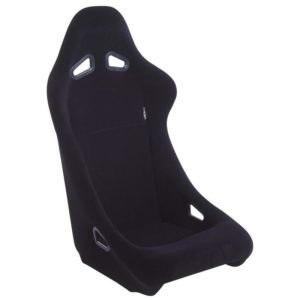
The Corbeau RXC X System 3, 675. Kevlar shell, standard width, FIA 8855-1999, side mount, fabric trimmed, 32 to 36 inch waist, driver under six feet.
A hundred more than fibreglass, a hundred less than carbon
That is exactly where the Kevlar System 3 sits: fibreglass System 1 at 575, this at 675, carbon System 5 at 775. Same RXC shape throughout. Kevlar gives you most of carbon’s stiffness and weight saving for most of the way to its price, which is why it is the sensible middle.
Fit
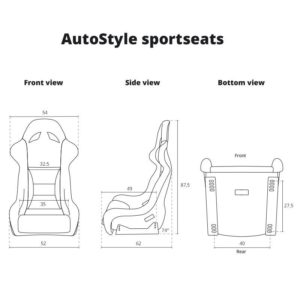
Standard width for 32 to 36 inch waists. The XL at 700 is the 36 to 40 inch shell. Sit in one if you are near the boundary. The RXC X is listed for drivers under 6ft, which is about shoulder position against the wings.
Colours and extras
Black as standard, or blue, grey, orange, purple, red, white, yellow, or your own RAL code. Name embroidery and inflatable lumbar available. Coloured shells are made to order.
Side mount and FIA
Hangs between side mounts on a frame. FIA 8855-1999, validity printed on the seat you receive, usually manufacture plus five years and extendable by two through Corbeau. Seat only.
Send us the car and we will complete the fitting kit.
Have you written anything about this exact product?
Yes, we have covered this exact product: Corbeau RXC Bucket Seats Now Live. That is first-hand coverage from our own builds and showroom, not brochure copy.
Will I fit in this seat?
The maker sizes this seat for drivers under 6ft in height with a 32in to 36in waist. Those are the paper numbers; how a seat actually feels to sit in and climb out of is a different question, and our showroom team sit in these seats every day, so call us with your height and waist and we will give you the honest answer.
Is it FIA approved, and for how long?
Yes, it carries FIA 8855-1999 homologation. Every FIA seat has a not-valid-after year printed on its homologation label, and that label date is what a scrutineer checks, so look at the label on the seat you receive and check it against your championship regulations. Buying new means you get the freshest label the maker currently produces.
What do I need to fit it to my car?
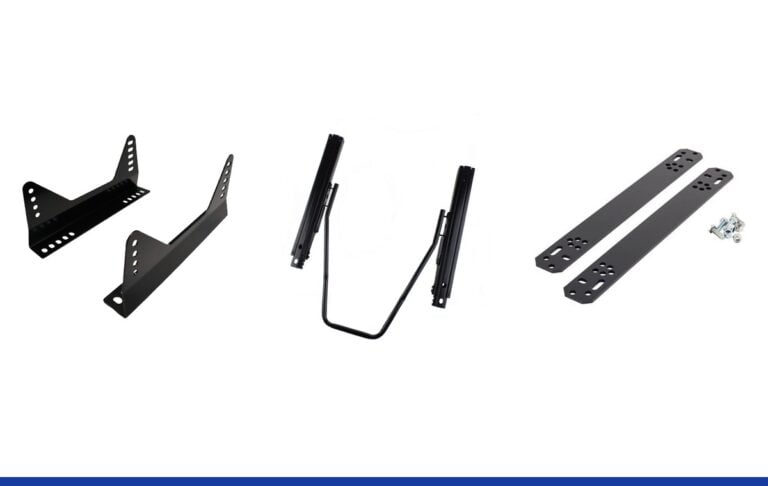
This is a side-mount seat: it hangs between side brackets, the motorsport-style stack with fine height and angle control. You will need the car-specific frame, and a sliding runner if you want fore-and-aft adjustment. Our guide on base mount versus side mount walks through the whole stack, and tell us your car and we will quote the full kit.
How do I know it will feel right, not just fit on paper?
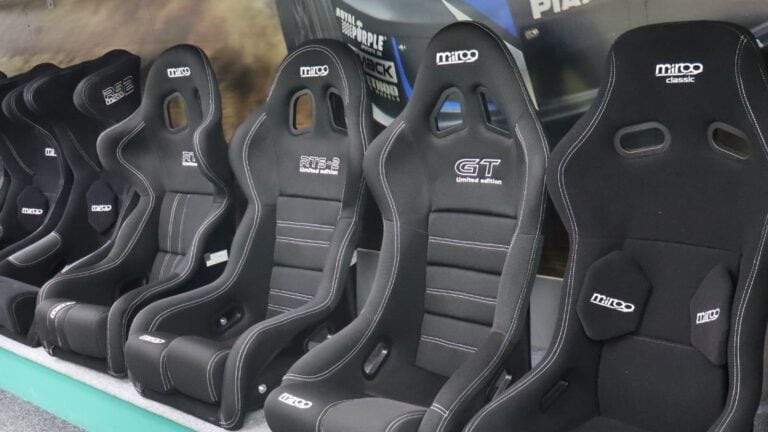
Fair question, because makers publish widths and weights, never feel, and two seats with identical numbers can feel nothing alike in the car. We keep the ranges on display in the Nottingham showroom, you are welcome to come and sit in them, and if you cannot get to us, call and describe your build, as the team sit in these seats every day. Our head support measurements guide shows the kind of real-world data we collect.