Gift product added successfully
“2 OMP First R Fibreglass FIA Motorsport Seats” has been added to your basket. View basket
Best Sprint and Hill Climb Seat For Your Car
SPRINT AND HILLCLIMB
Sprint and hillclimb events are a different shape of motorsport to circuit racing, and the seat brief changes with it. You are not holding a lateral load for lap after lap, you are doing one hard, short run, sometimes twice a day, often against the clock rather than another car. That changes what actually matters in a seat, and it is why this comes up as its own question and not a footnote on the circuit seat guide.
The regulations mostly do not change, though. Whatever the discipline, if your event runs under a Motorsport UK permit you are still very likely looking at an FIA homologated seat, the same 8855-1999 or the newer 8862 approval you would need for circuit racing. Check your own championship regulations before you spend anything, because that is the document that decides it.
- Sprint and hillclimb runs are short, so all-day comfort matters less than security through one hard run
- Most UK sprint and hillclimb regulations still require FIA seat homologation, the same as circuit racing
- Composite shells (fibreglass, Kevlar, carbon) cut real weight over a steel-framed seat, and every kg counts more in a car built for a short, fast run
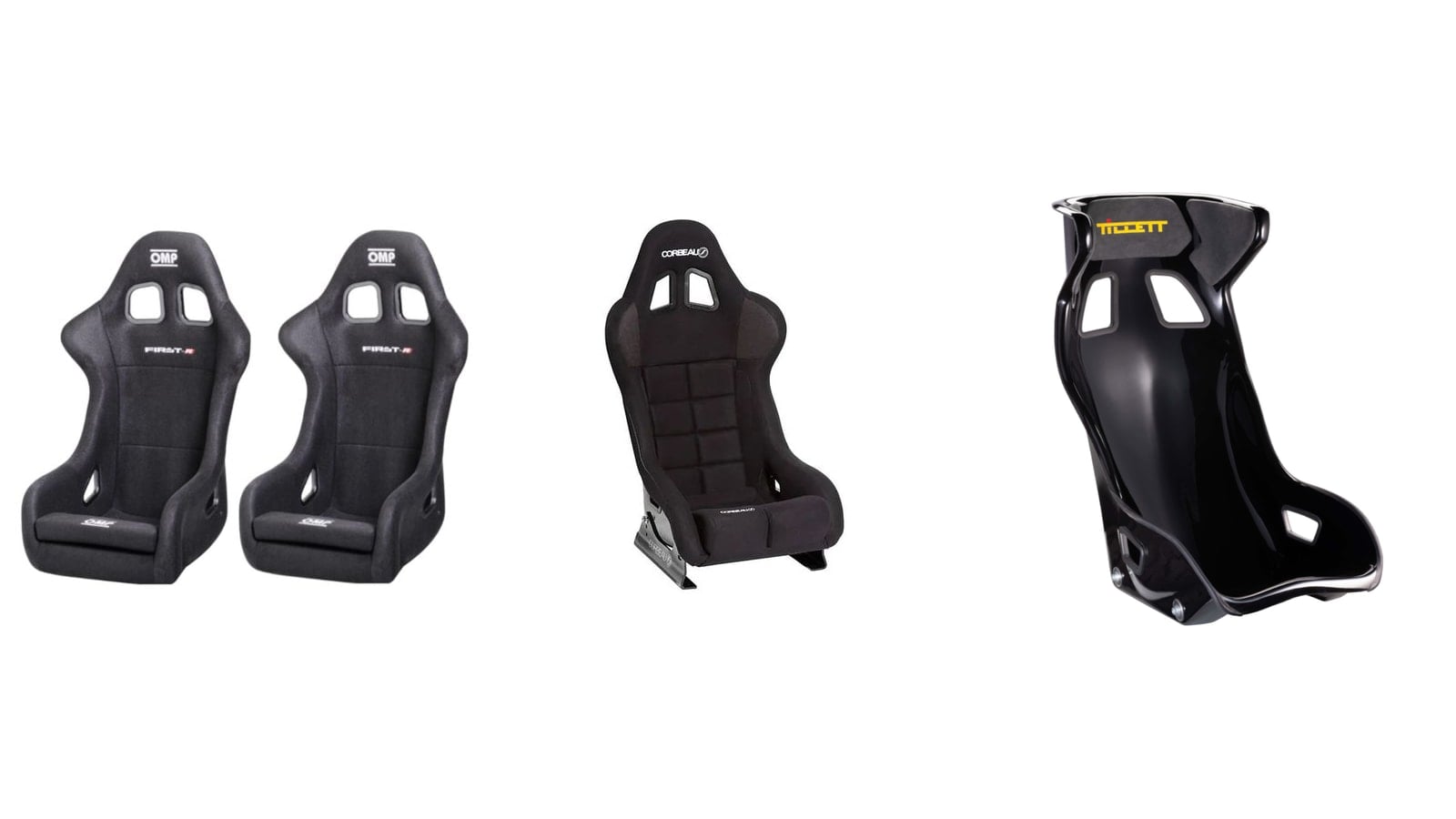
- FIA 8855-1999 validity is set by the date printed on the seat's own label, not a single blanket end date
Why a sprint or hillclimb seat is not just a smaller race seat
A circuit endurance seat is built for sustained lateral load, lap after lap, often for an hour or more at a time. A sprint or hillclimb run typically lasts under two minutes. You still need the seat to hold you properly through the corners on that run, particularly at events with more direction changes, but you are not designing around fatigue over distance the way a circuit racer is. That opens up seats that some circuit racers would find too aggressive or too minimal for a full race distance, but which are exactly right for one hard, short run.
FIA homologation: the same rule as circuit racing
This is the part people sometimes assume is relaxed for sprints and hillclimbs because the runs are shorter. It is not, in the great majority of cases. Most UK sprint and hillclimb regulations under a Motorsport UK permit still require an FIA homologated seat, currently FIA 8855-1999 or the newer FIA 8862. The seat's own label carries the actual expiry, based on its manufacture date, not a fixed calendar cut-off that applies to every seat regardless of age. If you are buying secondhand or your seat is getting on, check the label before you assume anything either way.
Weight: where sprint and hillclimb genuinely differ
This is the area where sprint and hillclimb priorities do shift. A short, single run rewards a light car more directly than an endurance race does, where fuel load and tyre strategy dominate, so shaving weight out of the seat is a real, usable gain instead of a marginal one. A composite shell (fibreglass, Kevlar or carbon) is meaningfully lighter than a steel-framed road-style bucket, and lighter again as you move up the shell material.
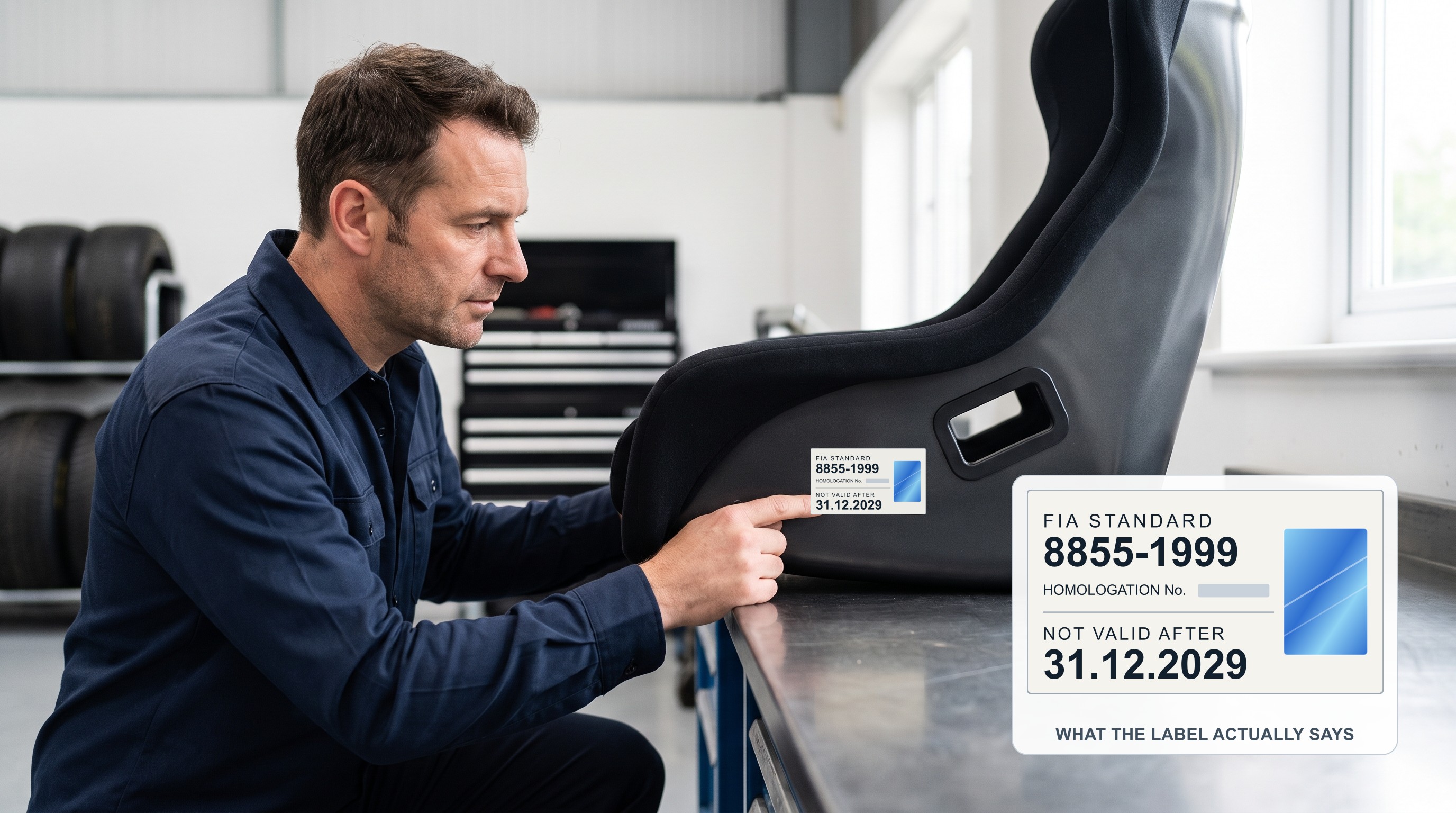
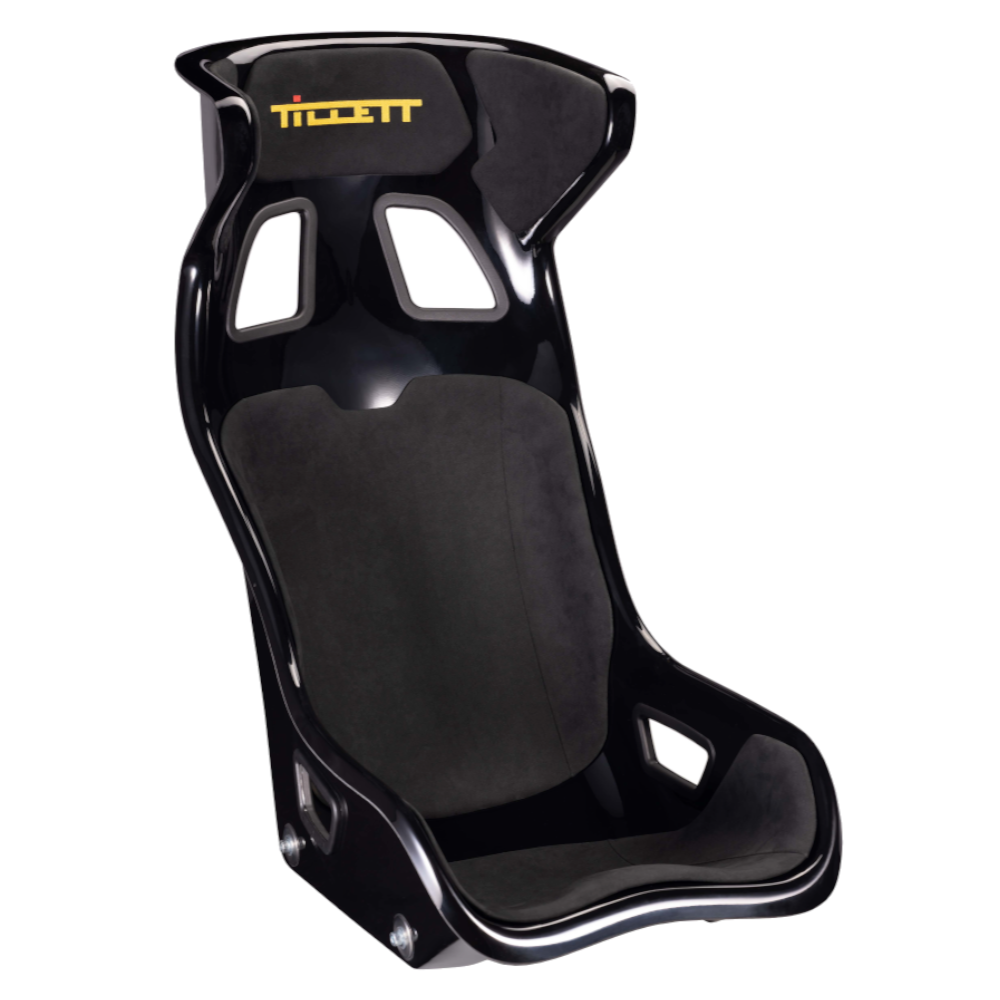
The Tillett C1, for example, is homologated to FIA 8855-1999 and comes in at 7.1kg for the bare shell, 8.1kg with the padded cushions fitted, genuinely light for a seat with full side-impact head support. Entry-level fibreglass FIA seats in our range typically weigh in around 5 to 6kg per seat, which is why they remain a sensible choice even before you look at Kevlar or carbon options. If you want the figure for a shell that is not listed here, ask us and we will check it against the manufacturer data.
Our current sprint and hillclimb range
-
From £1,516.19 Incl. VATFrom £1,263.49 Excl. VATPayPal CreditKlarna ReadySelect options This product has multiple variants. The options may be chosen on the product page
-
From £707.96 Incl. VATFrom £589.97 Excl. VATPayPal CreditKlarna ReadySelect options This product has multiple variants. The options may be chosen on the product page
-
From £690.00 Incl. VATFrom £575.00 Excl. VATPayPal CreditKlarna ReadySelect options This product has multiple variants. The options may be chosen on the product page
-
From £418.80 Incl. VATFrom £349.00 Excl. VATPayPal Credit250+ coloursKlarna ReadySelect options This product has multiple variants. The options may be chosen on the product page
| Seat | Shell | Approval | Price |
|---|---|---|---|
| Tillett C1 | Carbon fibre or GRP, with head support wings | FIA 8855-1999 | £1,516.19 |
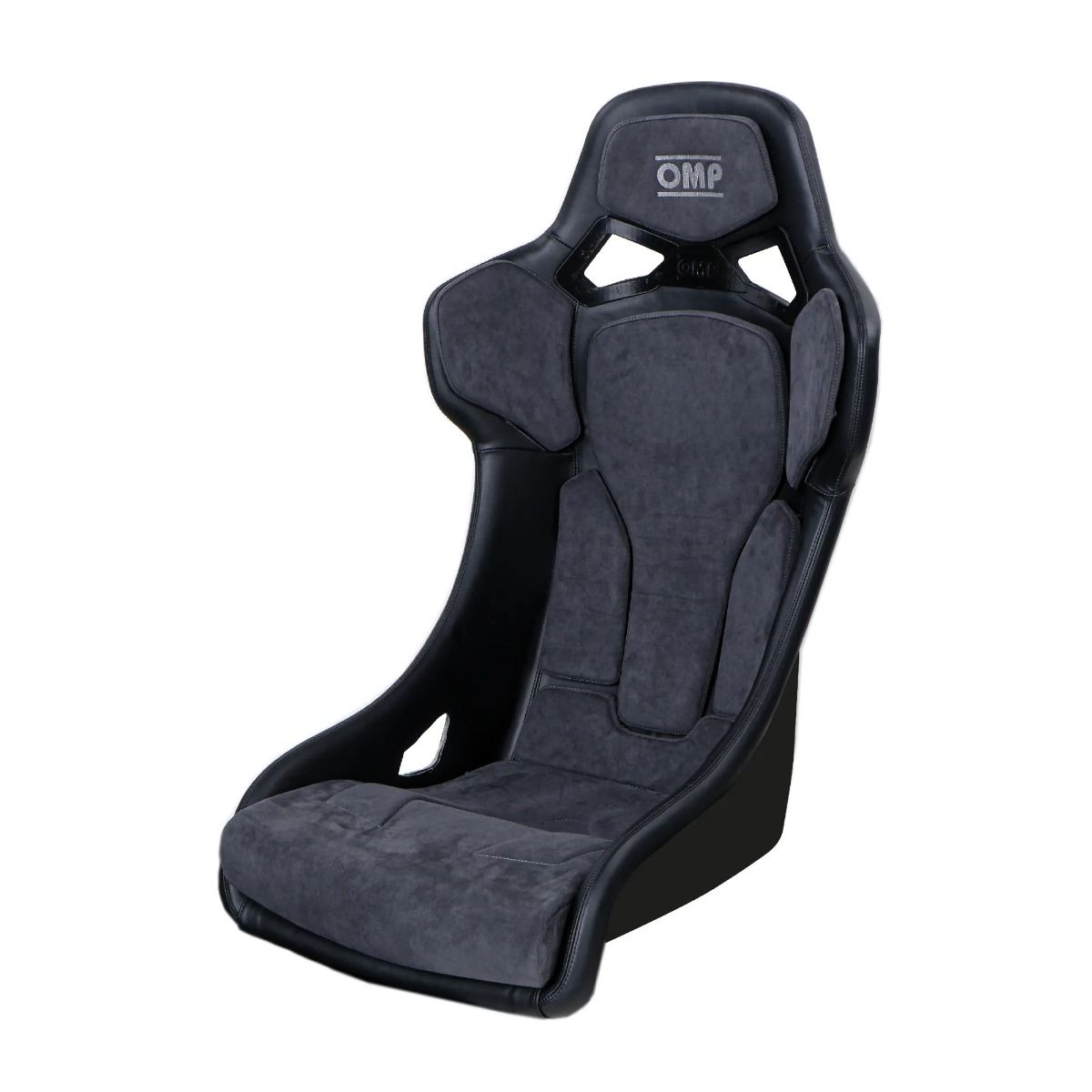
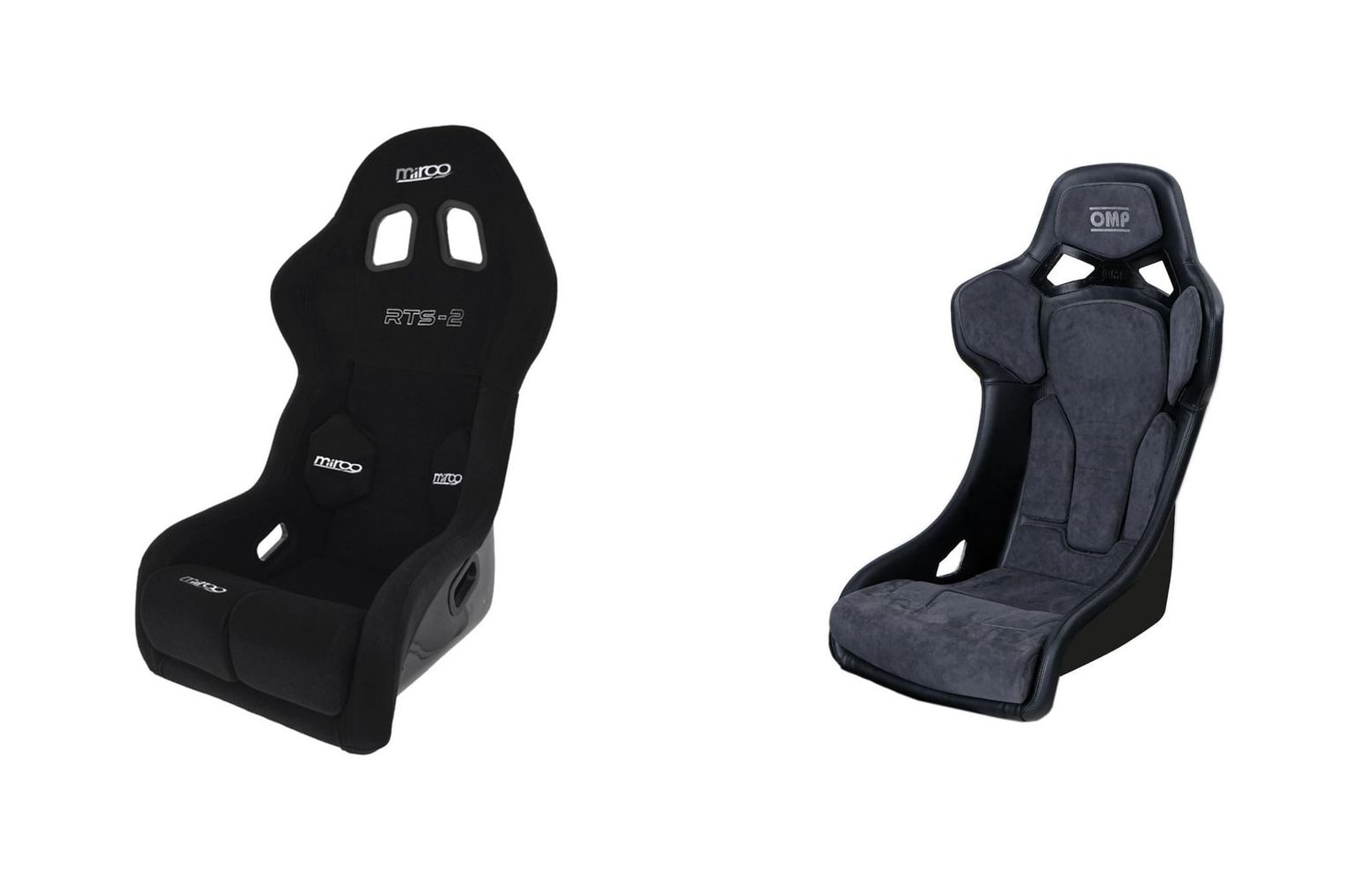
| OMP RT (Carbon/Fibreglass) | Carbon or fibreglass, street-friendly shape | FIA 8855-1999 | £707.96 |
| OMP First R (pair) | Fibreglass, entry-level competition shell | FIA 8855-1999 | £693.60 per pair |
| Corbeau RXC X System 1 | Fibreglass, standard width | FIA 8855-1999 | £690.00 |
| Mirco RTS-2 Velour | Fibreglass, fixed back, HANS friendly | FIA 8855-1999 | £418.80 |
Prices include VAT and were read off the site on 22 September 2026. Give us a ring on 0115 9893488 for current lead times on any of them.
Fit before specAn FIA label and a light shell only help you if the seat actually fits your build and your car's mounting points. Waist size, shoulder width and driver height all vary between these shells, check the individual product's sizing before you buy instead of choosing on weight alone.
Do sprint and hillclimb cars need FIA seats?
In most cases yes, if the event runs under a Motorsport UK permit. Check your specific event or championship regulations, but the great majority still call for FIA 8855-1999 or FIA 8862 homologation, the same as circuit racing. If the wording is ambiguous, the scrutineer reading it on the day is the one whose opinion counts, so ask the club before you buy and not in the queue.
How much weight can I actually save with a composite seat?
A fibreglass or carbon shell typically weighs several kilograms less than a steel-framed road-style bucket, and carbon shaves further weight over fibreglass or Kevlar. On a car built for a short, fast run, that is a usable gain instead of a token one.
Does an FIA seat expire?
Yes, but the expiry date is printed on the seat’s own label based on its manufacture date, it is not one fixed date that applies to every seat on the standard. Check your specific seat’s label instead of a forum rule of thumb.
Can I use a fibreglass seat instead of carbon to save money?
Yes. Fibreglass FIA seats in our range carry the same FIA 8855-1999 approval as the carbon options, at a meaningfully lower price and only a modest weight penalty. Carbon earns its price at the sharp end, it is not a requirement for a valid, competitive seat.
Do I need head support (wings) for hillclimb?
It depends on the event’s own regulations and how much side impact risk your circuit or course presents, not the discipline itself. Some drivers specifically choose a seat like the Tillett C1 for that reason, others run a lighter shell without wings where the rules and the venue allow it.
Our takeFor most sprint and hillclimb cars we would start with a fibreglass FIA seat like the OMP First R or the Corbeau RXC X System 1, both give you full homologation and a real weight saving over a road-style bucket for sensible money. Step up to the Tillett C1 once you specifically want side-impact head support, not simply because it is the most expensive option in the range. If you are not sure what your seat's mounting points will take, call Garreth or Cameron on 0115 9893488 before you order. Between them they have put these seats in most things with four wheels and a log book.
Need a personal recommendation?
We're here to ensure you pick the right seat.
Contact us today.