Call Garreth, Cameron & CallyAI: 0115 9893488

FREE UK shipping on orders over £100.00 & FREE gifts on checkout

Useful Links
Your Account

Talk to us

Garreth, Cameron & CallyAI · Mon to Fri
Call 0115 989 3488Free advice on your build
Thanks, that’s with us. We reply the same working day.
That didn’t send. Please give us a call instead.

Useful Links

Quick Access

Want to chat?

Call Garreth, Cameron, CallyAI
Today On: 0115 9893488
Click Here For Our Contact Form


Social
FacebookXInstagramTikTokYouTubePinterest
Brand guide / Built in Cambridgeshire

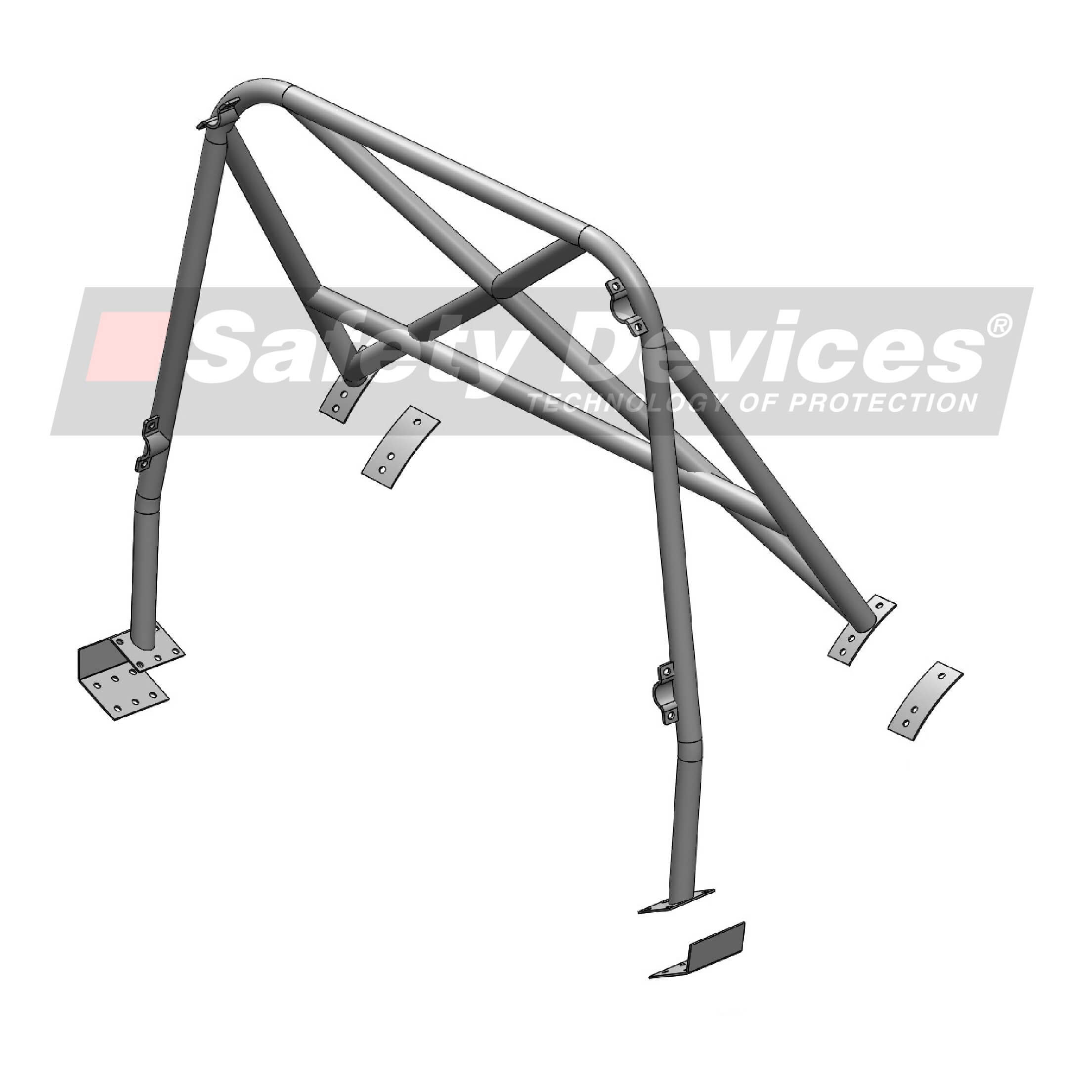
Safety Devices roll cages

Safety Devices is the biggest single range on this site and the name most scrutineers know without looking twice. It is a British company that has been bending cage tube since the 1960s, and the cages are vehicle specific, so the feet and tube runs are already right for your shell rather than being cut to fit. This is how the range works and how to pick the right cage.

1960sBuilding cages since
790+Cages we stock
2,500+Vehicles covered
FIA / MSUKApprovals available
The short version

Bolt-in for road cars and most club use, weld-in when the regulations or the lap time demand it. Then check the approval line on the individual cage, because the material grade does not tell you whether it is competition legal.

Bolt-inWeld-inRear cagesCDST45HarnessesPadding
01 / The story

Where Safety Devices came from

This one goes back further than most people realise. Roll cages were being developed and built here in the 1960s, when protection of any kind was still an afterthought, and the company grew directly out of that work.

The 4×4 side is the part I find genuinely interesting. Safety Devices pioneered the first external cages for four wheel drive vehicles, and that work ended up being adopted by the British Army, including a Land Rover Wolf contract in 1995 that ran to more than 7,500 units.

Today the range covers more than 2,500 vehicles. That breadth is the reason we hold so many of them, and it is why there is a good chance your car is already on the list rather than needing something fabricated.

1960s

John Aley and Brian Wilkinson, the founder, develop and manufacture roll cages at a point when motorsport safety was still in its infancy.

1970s

The FIA mandates cages in competition. The range expands to front cages, and the first external cages for 4×4 vehicles are pioneered here. Works teams including British Leyland and Ford come on board.

1988 onwards

Rex Muldoon acquires the business and absorbs the competitor Aley Bars. The company moves to a larger site at Soham in the 1990s and installs CNC tube profiling and bending.

Today

Roll over protection for more than 2,500 vehicles, and the cage brand most UK scrutineers see week in and week out.

02 / The range

Six things to understand

Cages are not like seats. Almost everything is decided by your car and your regulations, so the range is organised around those two things.

01Bolt-in cages

The bigger half of the range. Bolts to reinforced mounting points, can be removed again, and does not need a bodyshop. This is what most road and club cars get.

RemovableNo weldingMost popular

02Weld-in cages

Welded directly to the shell and permanent. Stiffer, and usually what the sharper end of competition requires. It is a bodyshop job, not a driveway one.

PermanentStifferBodyshop fit

03Rear and full cages

A rear cage protects behind the B pillar and keeps the car more usable. A full cage adds the front hoop and door protection. Your class regulations usually decide this for you.

Rear halfFull cageDoor bars

04CDS and T45

The two steels you will see. T45 is the higher grade and builds a lighter cage for the same strength, which is why it costs more. It is a material, not an approval.

CDST4525CrMo4

05Harnesses

A small but useful line, from road legal 3 and 4 points at under a hundred pounds up to a 6 point FIA belt. Handy when you want cage and belts from one place.

3 and 4 point6 point FIARoad legal

06Padding

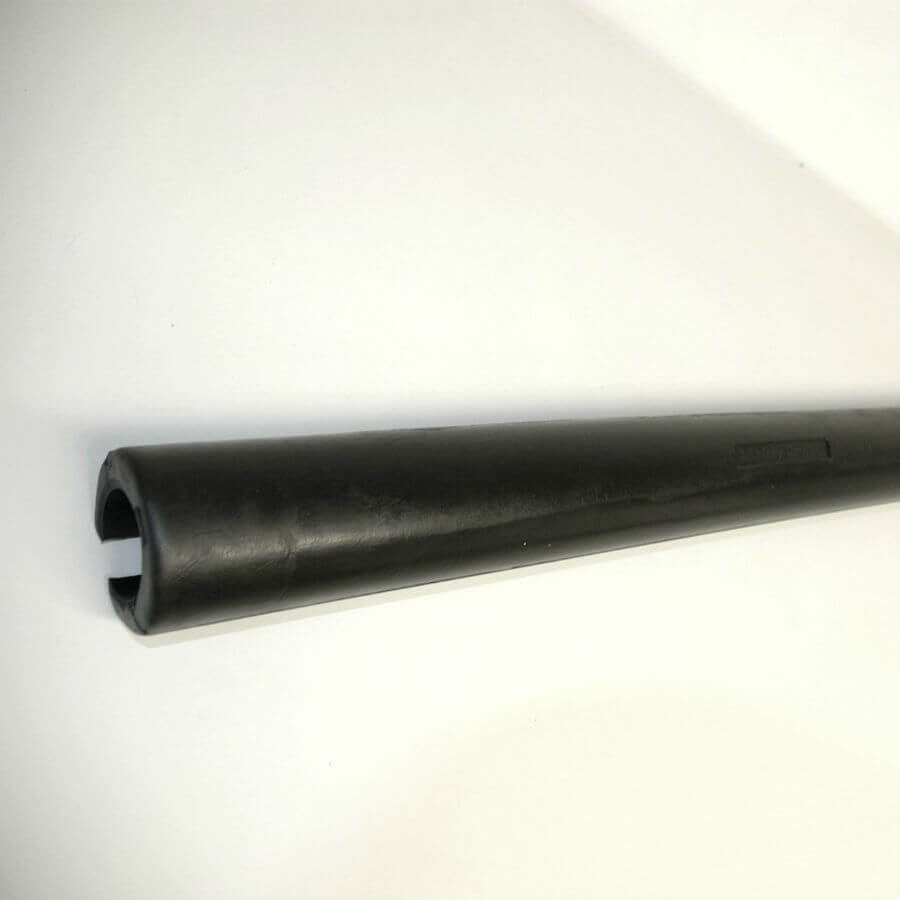
Not optional. Any tube within reach of a helmet needs FIA rated padding, and scrutineers check. Order it with the cage rather than after.

FIA ratedDoor barsOrder with cage
03 / How to choose

Four questions, in this order

Cage buying goes wrong at the specification stage far more often than at the fitting stage.

1

Bolt-in or weld-in?

Bolt-in bolts to reinforced mounting points and can come out again, which suits a road car, a track day car and most club racing. Weld-in is welded to the shell, stiffer, permanent, and a bodyshop job. If the car still has to be an ordinary car sometimes, bolt-in is almost certainly your answer.

2

Rear cage or full cage?

A rear cage covers the occupants behind the B pillar and leaves the front of the cabin alone, which keeps the car civilised. A full cage adds the front hoop and door bars and is what most competition classes want. Check the regulations before you decide on looks or budget.

3

What approval do your regulations actually ask for?

This is where people come unstuck. Across our Safety Devices range you will see FIA Approved, MSA Approved, Motorsport UK Nationally Homologated and plain Road and Track. They are not interchangeable, and a cage in a higher grade steel is not automatically competition legal. Read the approval line on the individual cage.

4

Is your exact car listed?

These are vehicle specific cages, built so the feet and tube runs land where they should on that shell. That is the whole value of them. We hold cages for around forty marques, and Safety Devices cover more than 2,500 vehicles between them, so ring us with the car and the year before assuming it is not covered.

The one that catches people is assuming T45 means race legal. It does not. We stock T45 cages that are listed Road and Track only. The steel grade tells you about weight, the approval line tells you whether a scrutineer will pass it, and they are two different questions.

Cameron, GSM Performance
04 / Recommendations

Popular bolt-in cages

These are among the ones that leave us most often. The Ford Puma and Fiesta Mk1 and Mk2 cages have been steady sellers for years, and the BMW E36 Compact and E30 cages cover two of the most common club cars in the country. All four are bolt-in, so no welding.

  • From £713.00 Excl. VAT Select options This product has multiple variants. The options may be chosen on the product page
  • From £715.00 Excl. VAT Select options This product has multiple variants. The options may be chosen on the product page
  • From £748.00 Excl. VAT Select options This product has multiple variants. The options may be chosen on the product page
  • From £799.00 Excl. VAT Select options This product has multiple variants. The options may be chosen on the product page
05 / Rear cages

When you want protection without gutting the cabin

Rear cages sit behind the B pillar, cost noticeably less than a full cage, and leave the front of the car alone. Good for a fast road car or a class that allows them. These four cover the Fiesta, the BMW E21 and E36, and the R50 and R53 Mini.

  • From £404.00 Excl. VAT Select options This product has multiple variants. The options may be chosen on the product page
  • From £415.00 Excl. VAT Select options This product has multiple variants. The options may be chosen on the product page
  • From £440.00 Excl. VAT Select options This product has multiple variants. The options may be chosen on the product page
  • £503.00 Excl. VAT Select options
06 / Weld-in cages

CDS and T45, and why the price moves

The Sierra is CDS and FIA approved. The Civic FN2 is a modern equivalent. The Civic EK4 and EK9 in T45 is the one to look at carefully, because it is listed Road and Track rather than approved, which is exactly the trap described above. The Escort Mk1 in T45 is FIA and Motorsport UK homologated and priced accordingly.

  • £1,136.00 Excl. VAT Select options
  • £1,728.00 Excl. VAT Select options
  • £1,745.00 Excl. VAT Add to basket
  • From £1,864.52 Excl. VAT Select options This product has multiple variants. The options may be chosen on the product page
07 / Harnesses

Road legal belts and a competition 6 point

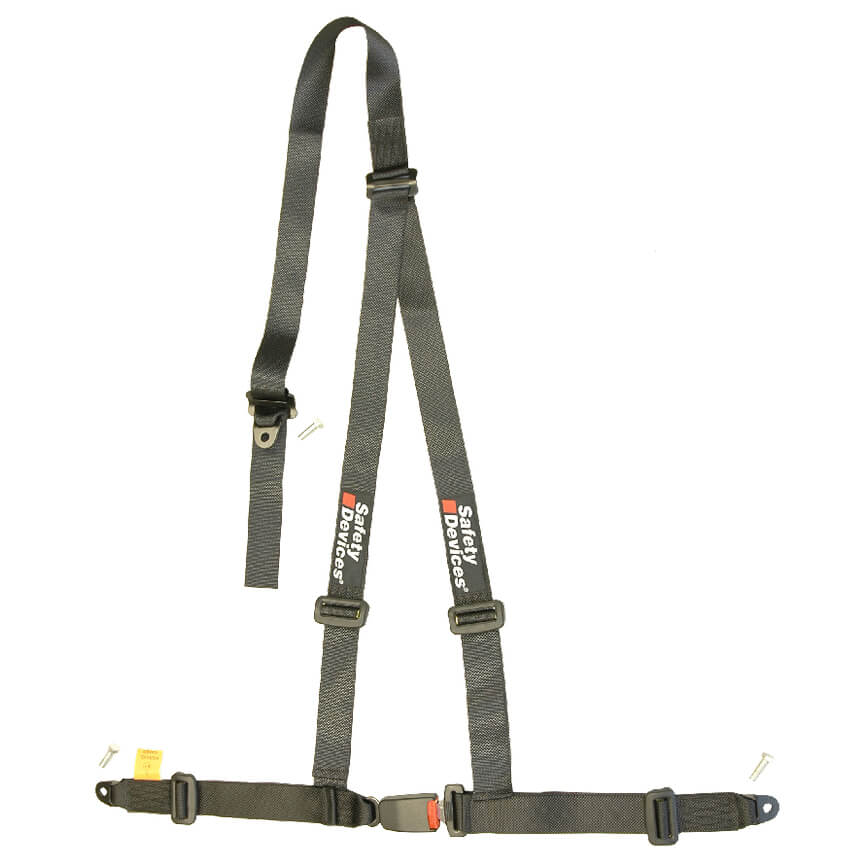
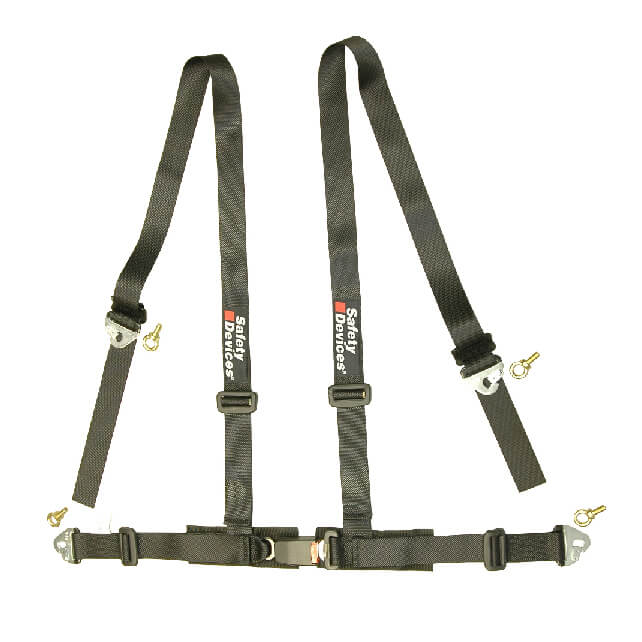
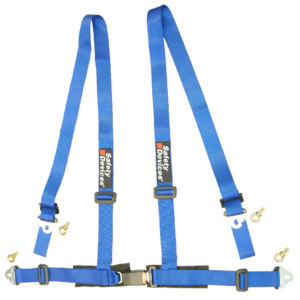
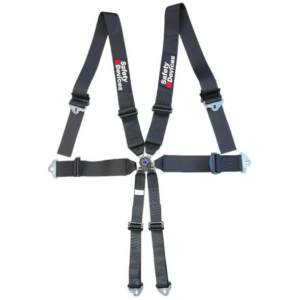
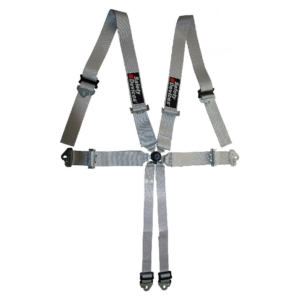
A small range, but useful if you want the cage and the belts from the same place. The 3 and 4 point road legal belts start under a hundred pounds. The 6 point lightweight is the FIA competition option.

  • £53.16 Excl. VAT Select options
  • £79.90 Excl. VAT Select options
  • £95.00 Excl. VAT Select options
  • £202.52 Excl. VAT Select options
08 / Padding

The bit people forget until scrutineering

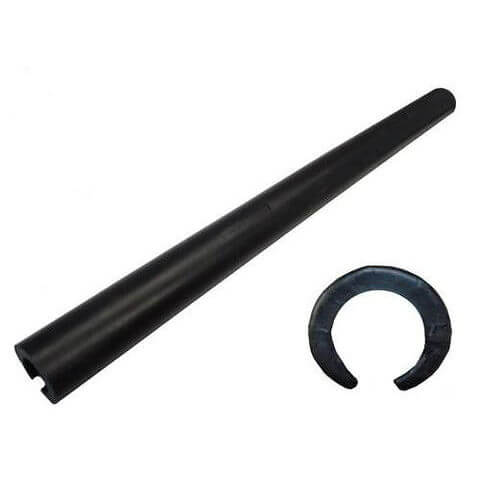
Every tube within reach of a helmet needs FIA rated padding. It is cheap, it is checked, and it is the single most common reason a perfectly good cage gets a comment at signing on.

Order it at the same time as the cage. It is a lot more annoying to sort out the week before an event than it is to add to the original order.

  • £29.50 Excl. VAT Add to basket
  • £35.00 Excl. VAT Select options
09 / Compared

Bolt-in and weld-in side by side

Bolt-inWeld-in
FittingBolts to reinforced mounting pointsWelded directly to the shell
RemovableYesNo, it is permanent
Who fits itCompetent DIY or a workshopBodyshop
StiffnessGoodHigher
SuitsRoad cars, track days, most club racingSerious competition
Keeps the car usableYesLess so
Typical costLowerHigher
Approval availableFIA, MSA, Motorsport UK or Road and TrackFIA, MSA, Motorsport UK or Road and Track

Cage type, material, approval and the design options are listed on every product page under the specification tab, along with the Safety Devices part number.

10 / Fitment

Finding the cage for your car

Everything here is vehicle specific, so the question is always which shell you have rather than which cage you like.

110+Ford cagesEscort, Fiesta, Sierra, Focus, Puma and more
70+Porsche cages911, 944, 968, 993 and the classics
50+BMW cagesE21, E30, E36, E46 and the Mini
40+Marques coveredFrom Alfa and Audi to Volvo and VW

Beyond those, we hold cages for Vauxhall and Opel, Peugeot, Honda, Toyota, Renault, Jaguar, Volvo, Subaru, VW, Citroen, Lotus, Triumph, Mazda, Datsun, Suzuki, Morgan, Rover, MG, Mitsubishi, Nissan, Sunbeam, Fiat, Hillman, Saab, Talbot, Skoda, Seat, Proton, Hyundai and Lancia. If you cannot find your car, ring us with the model and year rather than assuming it is not made.

11 / Questions

Common questions about Safety Devices cages

Are Safety Devices roll cages made in the UK?

Yes. The company grew out of cage building in the 1960s and has been based at Soham in Cambridgeshire since the 1990s, where the tube profiling and bending is done on CNC machinery.

What is the difference between a bolt-in and a weld-in cage?

A bolt-in cage bolts to reinforced mounting points in the shell and can be removed. A weld-in is welded directly to the shell and is permanent. Bolt-in suits road cars and most club use. Weld-in is stiffer, usually required at the sharper end of competition, and it is a bodyshop job.

What is the difference between CDS and T45?

Both are steels used for cage tube. T45 is the higher grade and lets a cage be built lighter for the same strength, which is why T45 cages cost more. It does not automatically mean a cage is competition approved, so read the approval line rather than the material.

Will a Safety Devices cage pass scrutineering?

It depends on the individual cage, not the brand. Across our range you will see FIA Approved, MSA Approved, Motorsport UK Nationally Homologated and Road and Track. Only the approved and homologated ones will pass, and you need to match the approval to what your championship regulations ask for.

Do I need a rear cage or a full cage?

A rear cage protects the occupants behind the B pillar and is common on road cars and for classes that allow it. A full cage adds the front hoop and door protection. Your regulations decide, and if you are not competing it comes down to how much protection you want against how much the car has to remain usable.

Does a cage need padding?

Any tube within reach of a helmet should be padded with FIA rated padding. Budget for it when you order the cage rather than afterwards, because scrutineers do check it.

Will it fit my car?

Safety Devices cover more than 2,500 vehicles and we hold cages for around forty marques. The cages are vehicle specific, so the feet and tube runs are already right for the shell. If your car is not listed, ring us before ordering anything.

Can I fit a bolt-in cage myself?

Bolt-in cages are designed to be fitted without a bodyshop, and the mounting points are worked out for the shell. It is still a serious job that has to be done properly, and if the car is going to be scrutineered it is worth having someone who has done it before. Weld-in cages are not a home job.

Come and see us

Tell us the car and the regulations

Cages are the one thing worth a phone call before you order. Give us the car, the year and what you are competing in, and we will tell you which cage and which approval you need. Ring and ask for Cameron.

Call 0115 9893488Message us
Free UK Shipping

On all orders above £100

In-Store Shopping

Try before you buy

Easy Delivery Tracking

Aftership Tracking Updates

How can I help?

Before you leave. Is there anything I can assist with? With 17 years of industry knowledge and hands-on experience, I’m here to help. Let’s get you race ready!