Call Garreth, Cameron & Jack: 0115 9893488

FREE UK shipping on orders over £100.00 & FREE gifts on checkout

Your garage NewAdd your car and see the parts that fit
Useful Links
Your Account

Talk to us

Garreth, Cameron & Jack · Mon to Fri
Call 0115 989 3488Free advice on your build
Thanks, that’s with us. We reply the same working day.
That didn’t send. Please give us a call instead.

Useful Links

Quick Access

Want to chat?

Call Garreth, Cameron, Jack
Today On: 0115 9893488
Click Here For Our Contact Form


Roll Cage Installation for Track Cars: Everything You Need to Know

Roll cage guide

A roll cage is one of the biggest safety and stiffness upgrades a track car can have, but fitting one is not a case of bolting in a few bars. Every week we help customers work out the difference between cage types, materials and what the fitting really involves.

This guide covers bolt-in and weld-in cages, the steels they are made from, what a stripped and an unstripped installation look like, the practical points that make a good job, and the main cage makers we supply. For competition, your series regulations and your scrutineer have the final say, so we point you to them where it matters.

  • Bolt-in cages suit track day cars that still see road use
  • Weld-in cages are stiffer and suit dedicated race cars
  • Common cage steels are T45, CDS and chromoly
  • Stripped installs give the best access; unstripped installs keep more trim
  • Padding near the occupants' heads is part of any proper install
  • Check your series rules with your scrutineer before you buy a cage for competition
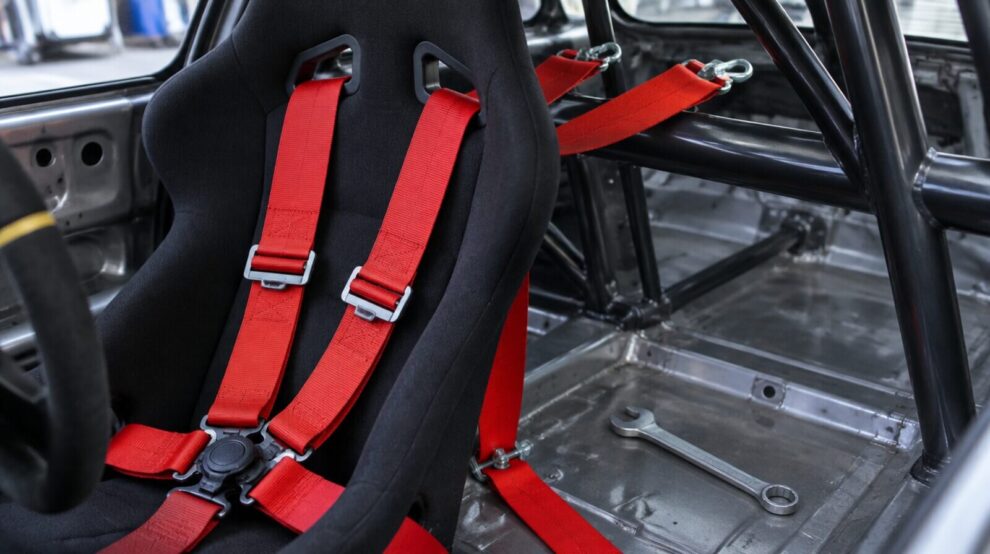
A black bucket seat with a red harness in a stripped car, the shoulder straps running back to a multipoint roll cage
A bucket seat, harness and multipoint cage in a stripped car. An example photo, not a specific product.

Bolt-in or weld-in?

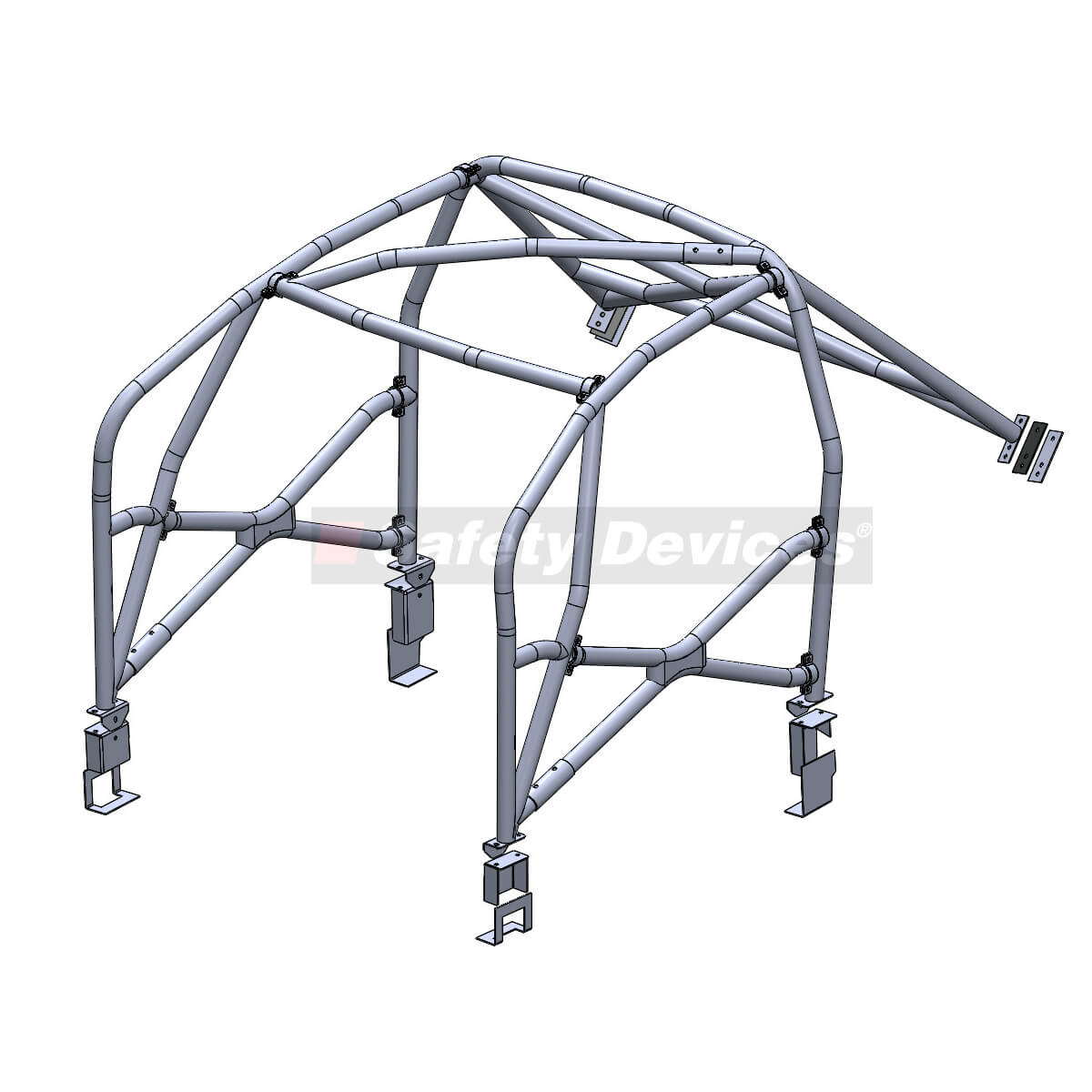
Bolt-in cages are popular for track day cars that still go on the road. The tubes are pre-formed and bolt to mounting plates in the floor and pillars, so the cage can come out again, or trim can go back in. Bolt-in kits are often modular: Safety Devices, for example, offer a rear cage that can be used alone, with front cage and door bar sections that add to it.

Weld-in cages suit dedicated race cars. The tubes are welded to the shell, which makes the whole structure stiffer and removes the joints. They need a fully stripped interior and a skilled fabricator, and they are not coming out again.

DIY kits sit between the two. JP Cages, for instance, sell half cage kits as tubes, gussets and plates for someone with welding and fabrication skills to assemble, with a bolt-in option using captive nuts and flange bolts.

What cages are made from

Cages are made from specific grades of steel tube. The ones you will see on our listings:

  • T45. A high strength steel that is popular in the UK for performance and competition cages, allowing lighter tube for the same strength.
  • CDS. A cold drawn steel tube, widely used cage steel, common in bolt-in and club level cages. For the same strength it is generally heavier than T45.
  • Chromoly (25CrMo4). Another high strength option, used in some competition cages, and more demanding to weld well.

Which material and tube sizes your cage must use depends on what you do with the car. For competition, check the current regulations for your class with your scrutineer before choosing, because the requirements are set by the governing body, not by us.

Stripped and unstripped installations

Stripped installs are the norm for competition cars. The interior comes out to bare metal, which gives clean access for welding plates and tubes. The usual sequence is:

  • remove the seats, carpets, trim panels and any airbags in the way
  • clean and prepare the floor and pillars
  • test fit the main hoop and bars, checking helmet clearance
  • fit or weld the mounting plates, then the final tubes

Unstripped installs are more common on road and track day cars. Only the seats and parts of the carpet come out, trim panels may be cut for the tubes, and lower profile hoops can tuck under the headlining. They keep the car more civilised, but they need careful measuring and trimming. Always check whether a kit is designed for a car with or without its interior trim before you order.

Doing it properly

  • Padding. Pad the tubes near the driver's and passenger's heads with proper cage padding. For competition, the type and extent of padding is set by your series rules.
  • Airbags. Side and curtain airbags can clash with cage tubes. Have an airbag specialist deal with any that need to come out.
  • Welding. Clean steel, a skilled welder and the right process. Protect the wiring and any trim that stays in.
  • Sealing and finish. Seal mounting plates to the floor, and prime and paint bare steel after welding.
  • Seats and harnesses. Check the seat position and harness routing once the cage is in.
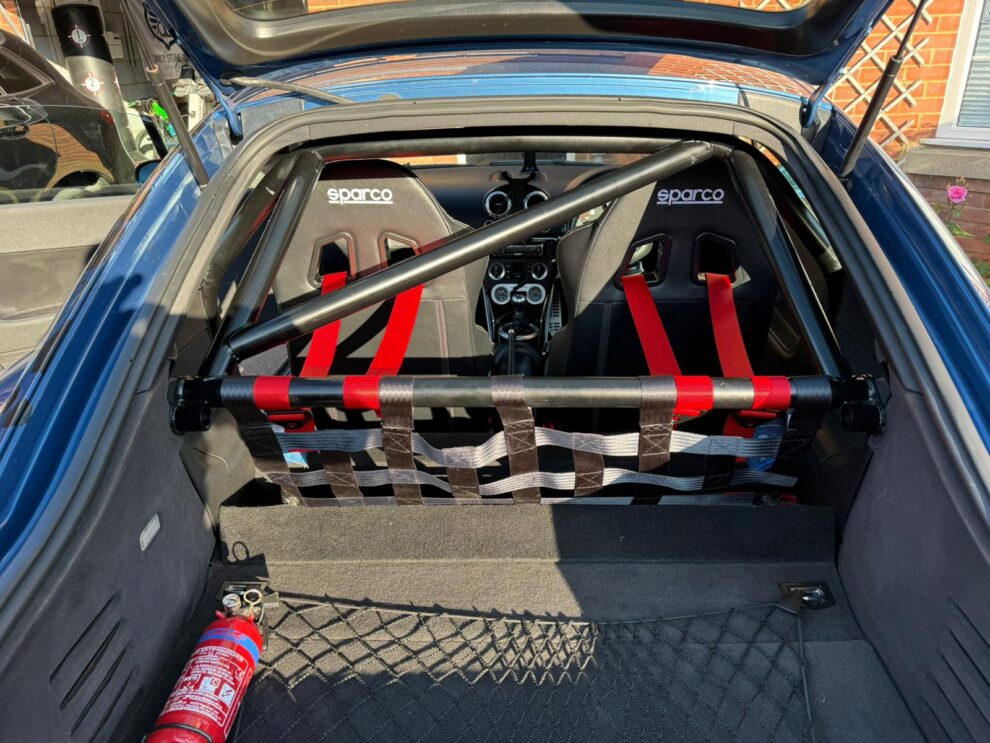
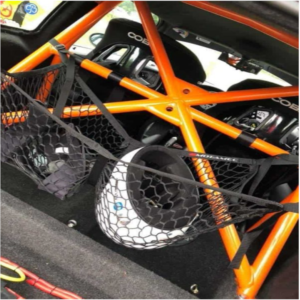
A black bolt-in rear roll cage with a diagonal and harness bar in the back of a customer's Audi TT, with red harness straps wrapped around the bar
A bolt-in rear cage and harness bar in a customer's Audi TT.

A cage is a big change to a car. Tell your insurer before the work starts, and if the car is for competition, talk to your scrutineer about the cage you plan to fit before you buy it. Garreth’s advice is simple: plan the cage, seats and harnesses together, because each one affects where the others can go.

The cage makers we supply

Safety Devices make bolt-in and weld-in cages for a very wide range of cars, with modular front, rear and door bar sections. Many of their cages are listed as complying with Motorsport UK regulations at the date of publication, with national homologation once the installation is approved by Safety Devices.

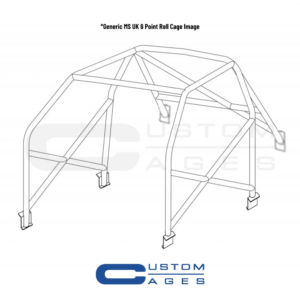
Custom Cages make T45 and CDS kits, from rear half bolt-in cages for track and show cars to multipoint competition cages. Many of their competition kits need the car stripping and plates fitting to the floor. Our page on Custom Cages Audi roll cages is a good example of the range.

JP Cages offer finished cages and DIY kits for track day cars, including half cages and dash dodger multipoints for many popular models.

Common challenges

  • Clearance. Test the bar positions with your seat in and your helmet on before anything is welded or tightened.
  • Access. Footwells and the roofline are hard to weld. Magnets, clamps and a second pair of hands help.
  • Protection. Cover any trim and glass near the welding with fire resistant blankets.
  • Final checks. Check every bolt and weld, and recheck the seating position and harness routing.
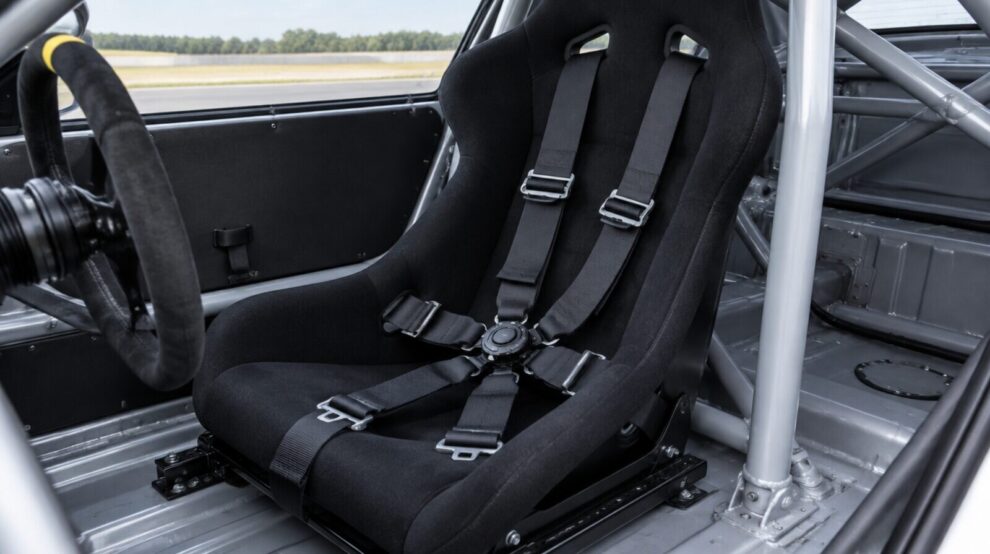
A black bucket seat with a harness in a race car with a multipoint cage and a quick release steering wheel
A race car interior with a multipoint cage. An example photo, not a specific product.

If your car will run a harness, the cage often gives the best anchor for the shoulder straps through a harness bar. If it will not have a cage, our guide to running a harness without a roll cage explains the trade-offs.

A bolt-in cage bolts to plates and can be removed; a weld-in cage is welded to the shell for more stiffness.

Usually T45, CDS or chromoly steel tube, depending on the cage and its use.

Some cages are designed for cars with their trim in place; check the kit before you order.

Tubes near the occupants’ heads should be padded, and competition rules set what is required.

Safety Devices, Custom Cages and JP Cages, among others.

💬
Before you orderPlan the whole interior

Choose the cage, seats and harnesses together so they all fit and work.

Need a personal recommendation?

We're here to ensure you pick the right seat. Contact us today.
Our showroom virtual walk through!
Have a walk around our showroom before you even buy your new seats. 
Our hands on experience, is what allows us to bring you our recommendations.
Free UK Shipping

On all orders above £100

In-Store Shopping

Try before you buy

Easy Delivery Tracking

Aftership Tracking Updates