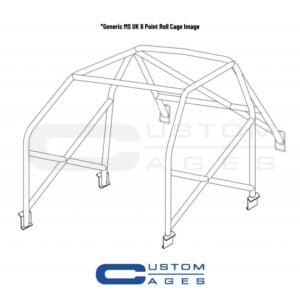
Bolt-In Or Weld-In Roll Cages: What You Can Fit At Home
Custom Cages fitting types, explained
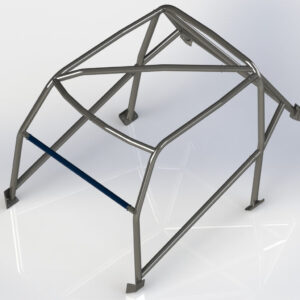
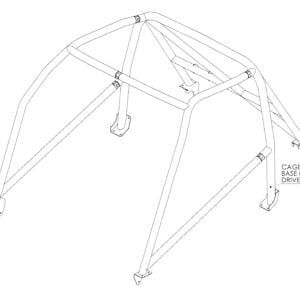
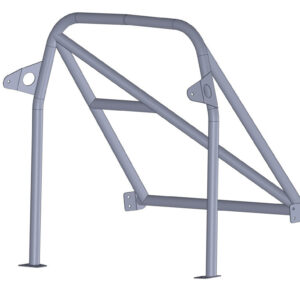
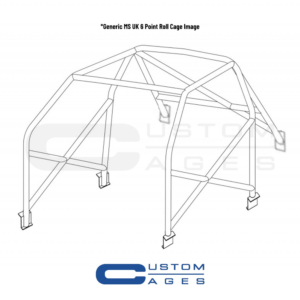
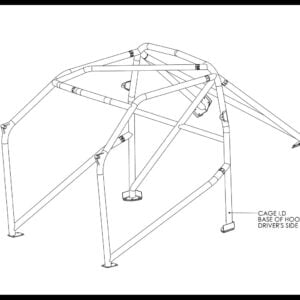
Most people ringing about a cage for a weekend track car or sprint machine ask whether they can fit it themselves. The answer depends on one word in the product title: Bolt In. Forty-one kits in the Custom Cages range carry that label and they attach to the car’s own factory floor mounting points with standard bolts, no welding required.
Every other kit in the range needs the tube welded to the bodyshell, which means a fabricator with a MIG welder and the right jigs. A fabricator who does this regularly is genuinely quick, and that is the right route for most competition builds. If your garage runs to a ramp and a socket set, though, the bolt-in type is worth looking at first.
- 41 Custom Cages kits in the range are Bolt In type, requiring no welding
- Makes covered include BMW, Honda, Mitsubishi, Nissan, Ford, MG and nine more, 15 in total
- Custom Cages put the cage type in every product name, so it is visible before anything goes in the basket
- Bolt-in kits start from £1,092 inc VAT
- The other 416 kits in the range are welded to the bodyshell by a fabricator
The two fitting types
Bolt In
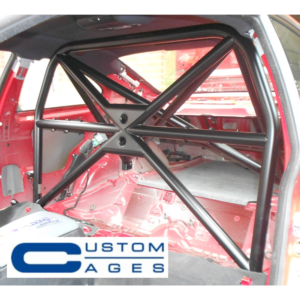
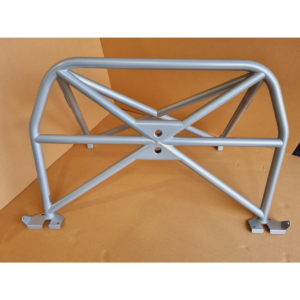
No welding. The cage bolts to mounting plates that sit on the car’s original floor fixing points. Stripping the interior is the main preparation, and the fitting itself uses standard tools: a socket set and a torque wrench. Custom Cages supply all the hardware and fitting instructions with the kit. Bolt-in cages can also be removed, which matters if the plan is to put the car back to standard at some point.
Welded to the bodyshell
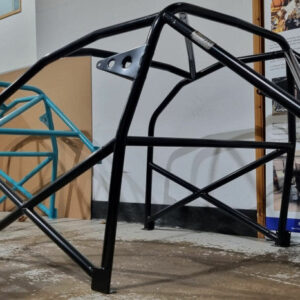
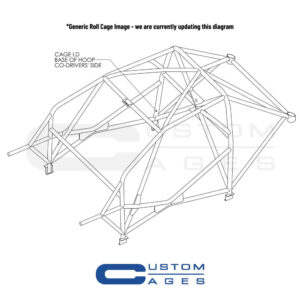
The cage tubes are welded directly to the floor, sills, and in some designs the A-pillars. This is how most competition cars are built, and it is what a fabricator quotes for on a serious track or rally machine. The 416 welded kits in the Custom Cages range cover far more makes and models than the bolt-in type, so if your car is not in the bolt-in list, a welded cage is the conversation to have.
Which makes have bolt-in kits
Fifteen makes are covered across the 41 bolt-in kits. BMW leads the list because the E36 chassis is available in seven different bolt-in configurations, from a starter kit up to a full race-style cage.
Bolt-in kits by make, Custom Cages range
41 kits across 15 makes, counted from the live Custom Cages listings on 31 August 2026. BMW leads because the E36 chassis alone accounts for seven of those 11 kits, in configurations from a starter kit up to a full multipoint bolt-in cage.
What a bolt-in installation involves
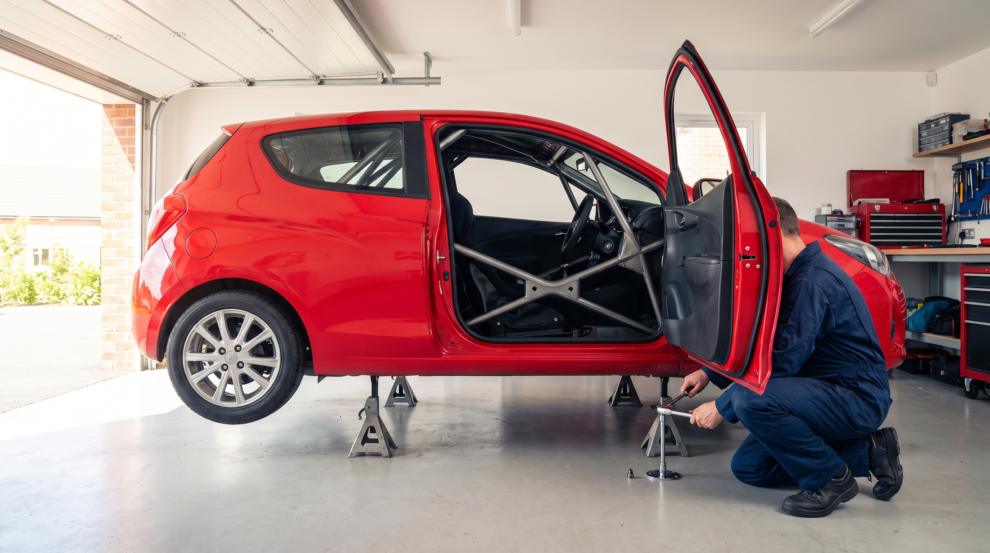
The interior comes out first: seats, carpets, sill trims and, on a hatchback, the rear parcel shelf. On most cars this takes four to six hours on a first attempt and roughly half that on the second. The cage itself then goes in through the door opening, the mounting plates locate on the floor fixing points, and the bolts are torqued up to the Custom Cages specification.
No welding equipment or specialist jigs are involved. The tools are what you would reach for on any mechanical job: a socket set, a torque wrench, and something to support the car while you work underneath. A first-time installation on a clean car typically takes a full day, and experienced fitters doing the same car for a second time are done in three or four hours.
When a welded cage makes sense
If your car is not in the bolt-in list, a welded cage is the right conversation. Garreth can point you to a fabricator who knows the Custom Cages range if you need one. It is also worth checking your class regulations before ordering, because some series specify how the cage must be fitted as well as the spec it must meet.
More makes and models
The 416 welded kits in the Custom Cages range cover the full catalogue: BMW, Ford, Volkswagen, Vauxhall, Toyota and many more. If your car is not in the 15 makes with bolt-in options, the welded range almost certainly has it.
Competition and series regulations
Some championships require the cage to be welded to the bodyshell as part of the class rules. Read your class regulations before ordering, because the fitting method can be specified alongside the cage design.
What the bolt-in range costs
All 41 bolt-in Custom Cages kits, priced with VAT on 31 August 2026.
Bolt-in kit prices including VAT
Every bolt-in Custom Cages kit, priced with VAT on 31 August 2026. Typical is the middle of the range. The spread is driven by the car model and cage complexity: bolt-in kits come in both CDS and T45 steel, so the steel choice does not push you onto a different fitting type.
| Type | Kits | From | Typical | To |
|---|---|---|---|---|
| Bolt In | 41 | £1,092 | £1,854 | £2,394 |
Prices include VAT. Typical is the middle of the range. Bolt-in kits are available in both CDS and T45 steel: the steel choice is a separate decision from the fitting type.
Bolt-in kits from the range
A spread across the 41 bolt-in kits, covering a range of makes and price points. Custom Cages put the type in every product name, so you can confirm it is a bolt-in kit before anything goes in the basket.
If your car is in the bolt-in list and a home fit is the plan, the kit will do it. If it is not in the list, or you are building for a championship that specifies a particular design, send Cameron the car and the class on 0115 9893488 and he will confirm which kits fit, in which steel, and whether bolt-in or welded is the right answer for the build.
Common questions
Can I really fit a bolt-in cage at home?
Yes, if you are comfortable doing mechanical work in a garage. The main jobs are stripping the interior, fitting the cage through the door opening, and torquing the mounting bolts to spec. No welding equipment is involved. If you are not comfortable working under a car on axle stands, any competent garage can do the job.
How long does a bolt-in installation take?
A full day on a first installation is realistic, split roughly between stripping the interior and fitting the cage. Experienced fitters who have done the same car before are done in three or four hours.
Can the cage be removed again?
Yes. Bolt-in kits come out the same way they went in. Most people fit one and leave it, but removing it to put the car back to standard is straightforward.
Does the fitting type affect which events I can enter?
That depends entirely on your championship or club regulations. Some series require the cage to be welded, some specify a particular cage design, and others do not specify the fitting method at all. Read your class regulations before you order.
How do I know which type a kit is before I buy?
Custom Cages put the type in every product title: Bolt In, Multipoint, or Historic. If the title says Bolt In, no welding is required. If it does not say Bolt In, the kit needs a fabricator and a MIG welder.
My car is not in the bolt-in list. What are the options?
The welded range covers 416 kits across the full Custom Cages catalogue. Ring Cameron on 0115 9893488 with the make, the model year and the chassis code and he will confirm which kits are available and what a typical installation costs with a fabricator.
Where this leads
The two BMW make guides cover the most bolt-in options in the range. Custom Cages BMW E30 and E36 roll cages runs to 35 kits including several bolt-in variants, and Custom Cages BMW E46 roll cages covers the full E46 range. Both posts note which kits are bolt-in type in the product listings themselves.
Deciding between CDS and T45 for the steel is a separate question from the fitting type. Our T45 vs CDS roll cage steel guide covers what each steel is, what the regulations actually require, and what the range costs in each.
The full Custom Cages range is worth browsing if your car is not covered in the guides above. If you want to confirm whether a bolt-in option exists for your chassis, ring 0115 9893488 and Cameron will check it against the current catalogue.