

A Complete Guide to Lumbar Support Pads for Bucket Seats
If you run a fixed back bucket seat, you will already know they are built with performance as the main focus. They are designed to keep you secure under braking and cornering, using a firm shell and minimal padding to reduce weight and improve driver feedback. While this works well on track, it can sometimes come at the cost of long-term comfort, especially around the lower back area.
For many drivers, this becomes noticeable on longer drives or extended track sessions. The seat may feel supportive at first, but over time you can start to feel a lack of support in the lumbar area, which can lead to discomfort or fatigue. This is often due to the seat shape not fully matching your natural posture.
This is where lumbar support pads make a real difference. They are a simple add-on that allows you to customise the shape of your seat without replacing it. Instead of changing your entire setup, you can fine tune the support exactly where you need it.
At GSM Performance, we stock two different types of inflatable lumbar pads designed to suit different needs. Whether you are looking for a small adjustment to improve comfort or a more supportive solution for ongoing back issues, these pads give you that flexibility.
The key advantage is that they let you keep the performance benefits of a fixed bucket seat while improving comfort at the same time. It is a simple upgrade, but one that can completely change how the seat feels, especially over longer periods behind the wheel.
Why Add Lumbar Support to a Bucket Seat
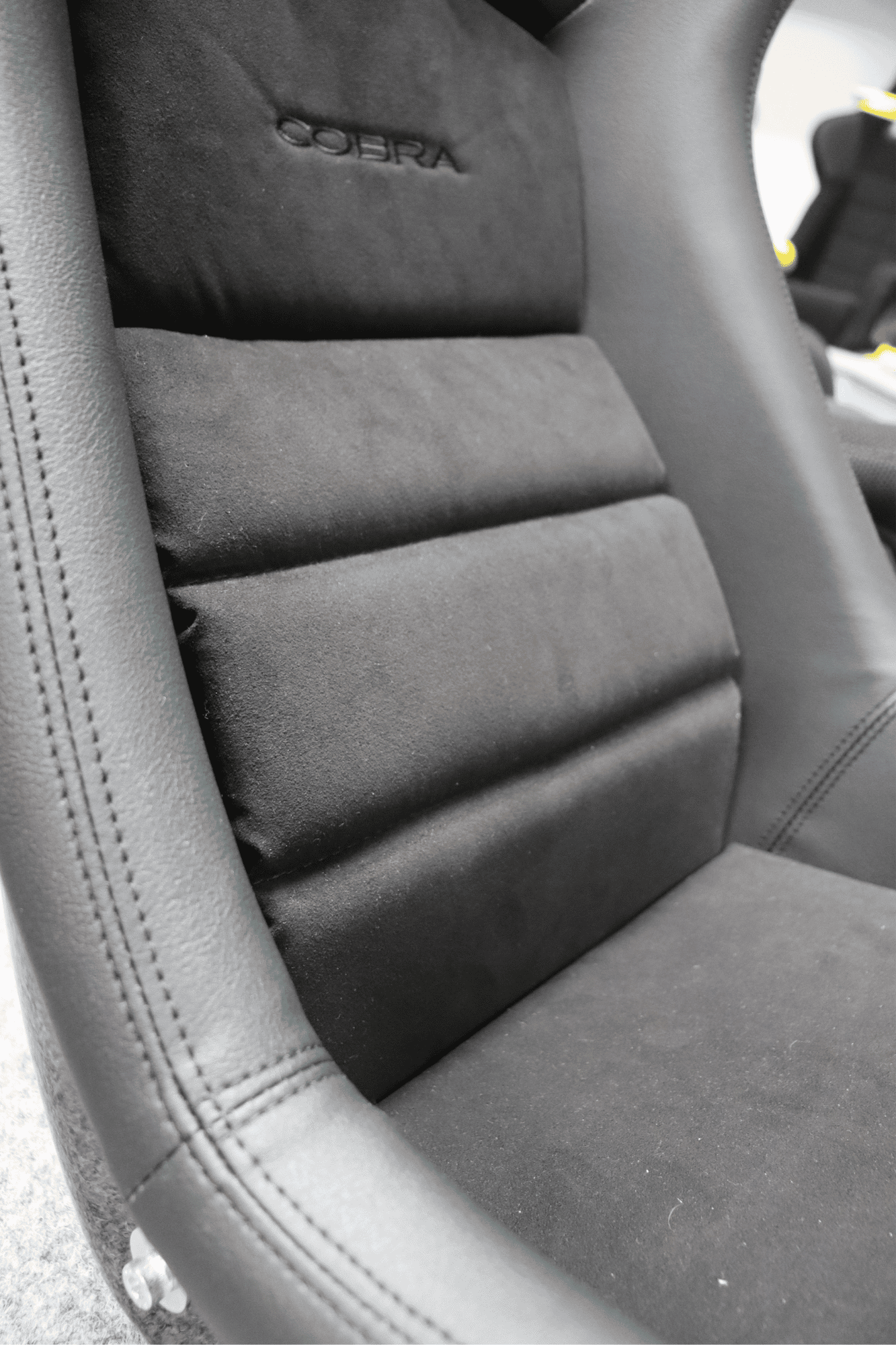
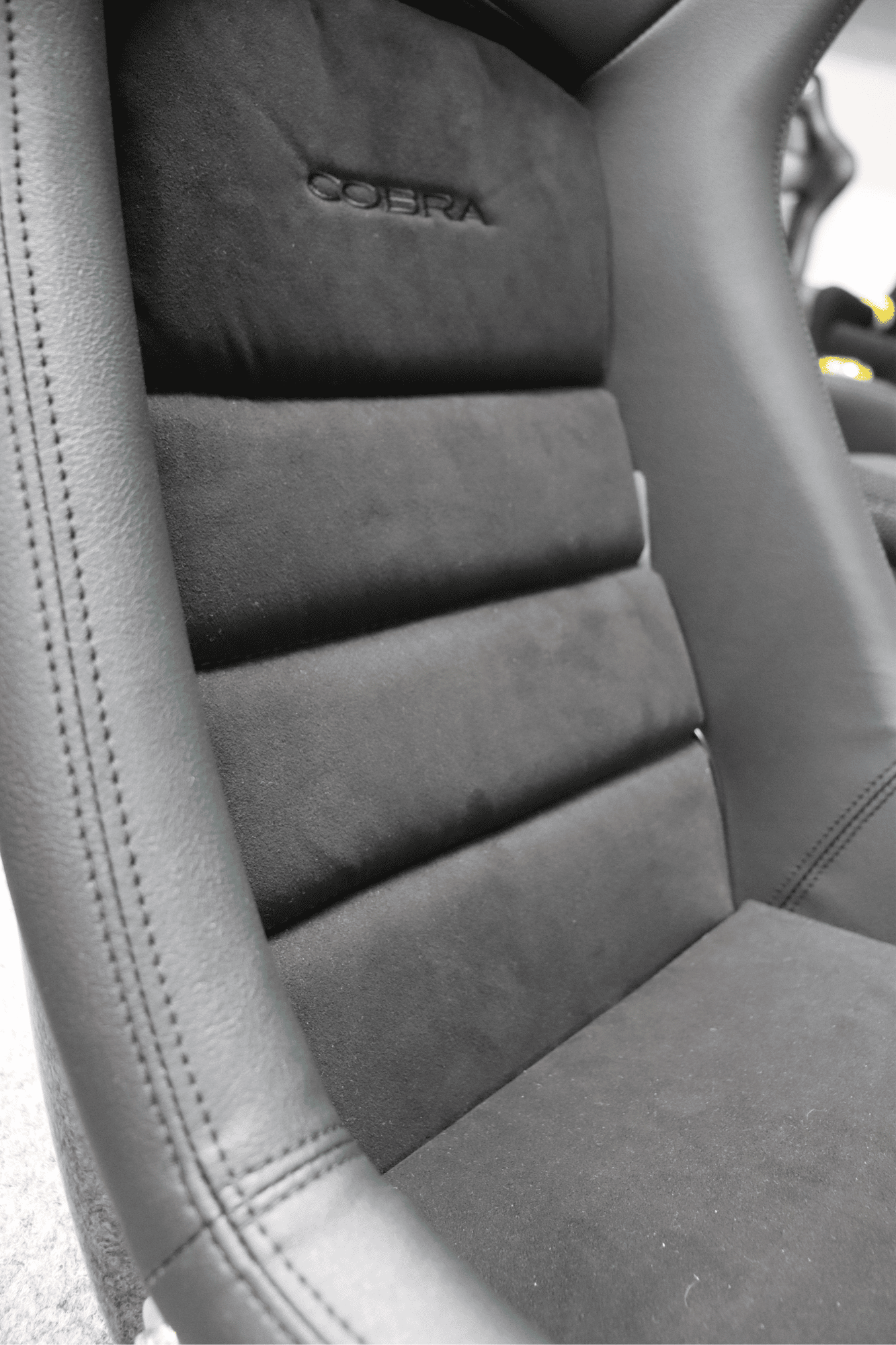
Fixed back bucket seats are designed around control and stability rather than comfort. They use a rigid shell and thin padding to keep weight down and to give the driver more direct feedback from the car. While this works well for performance driving, it does mean that comfort can vary a lot depending on your body shape.
One of the most common issues drivers notice is a lack of support in the lower back area. If the natural curve of your spine is not supported, you can end up sitting slightly slouched or relying on your core to hold position. Over time, this leads to fatigue, discomfort, and in some cases ongoing lower back pain.
Adding a lumbar support pad helps correct this by filling the gap between your lower back and the seat. This brings your spine into a more natural position and allows the seat to support you properly rather than you supporting yourself.
It also improves your overall driving position. When your lower back is supported, your upper body sits more upright, which helps with steering control, pedal input, and overall consistency when driving.
Benefits of adding lumbar support
- Reduces lower back strain on longer drives and track sessions
- Helps maintain a natural and supported seating posture
- Improves driver comfort without replacing the seat
- Reduces fatigue, especially during extended use
- Allows you to fine tune the seat to your body shape
- Helps maintain a more consistent driving position
For many drivers, it is a small upgrade that makes a noticeable difference. It allows you to keep the performance-focused feel of a bucket seat while making it much more usable day to day.
Got a question about the equipment we sell?
Why Choose Garreth And Cameron At GSM Performance?
Key Points From This Blog
- Lumbar pads improve comfort in fixed bucket seats
- Ideal for reducing lower back strain
- Fully adjustable using a manual pump system
- Designed to fit behind removable seat cushions
- 3-cell offers wider, stronger support
- Single-cell offers more focused, lighter support
- Best suited to seats with removable cushions
- Both options are available in-store for testing
How Inflatable Lumbar Pads Work
Inflatable lumbar pads are designed to give you full control over how much support your seat provides, rather than relying on a fixed cushion that may or may not suit your body shape. This adjustability is what makes them so effective, especially in fixed bucket seats where there are no built-in comfort features.
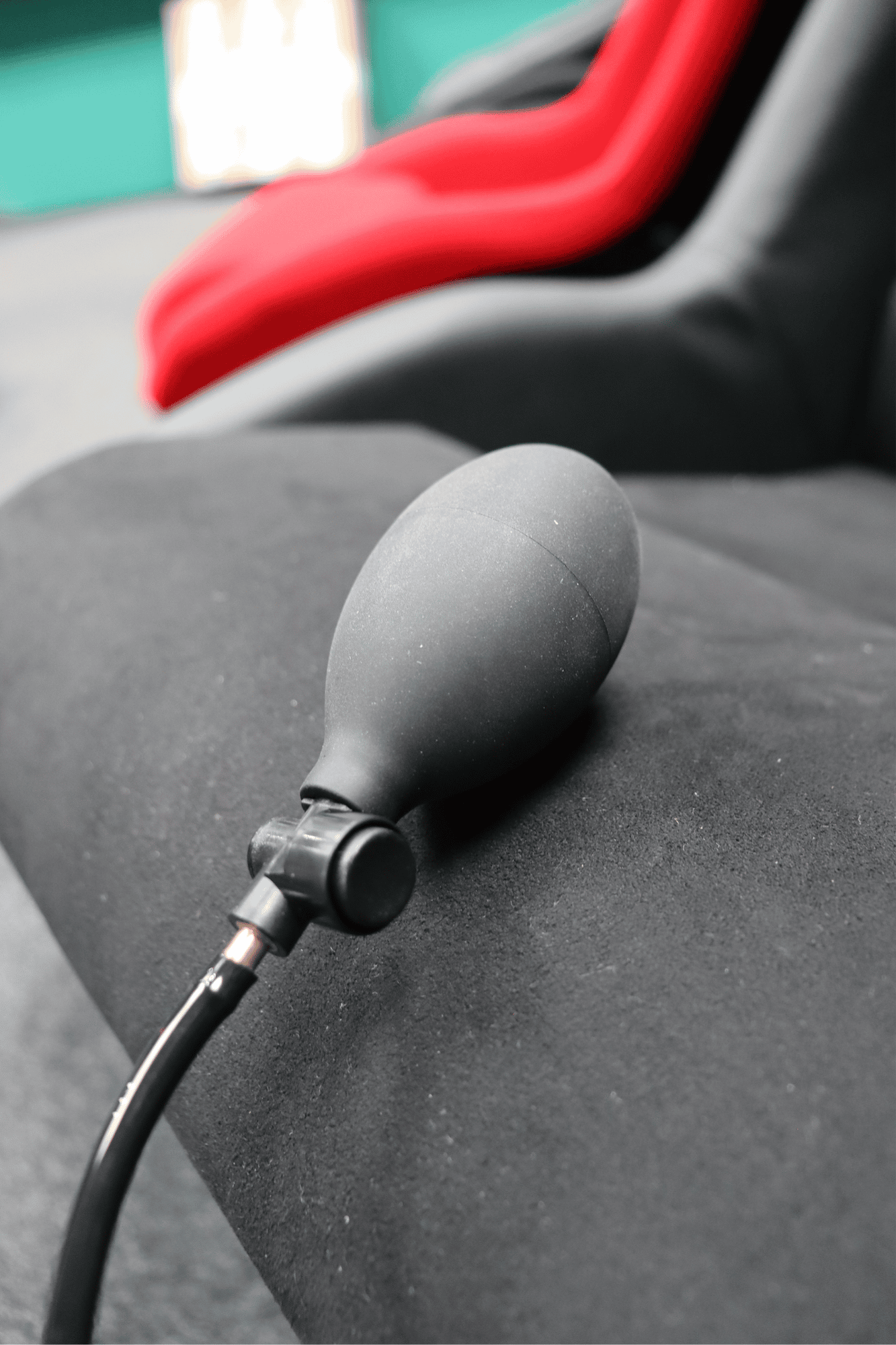
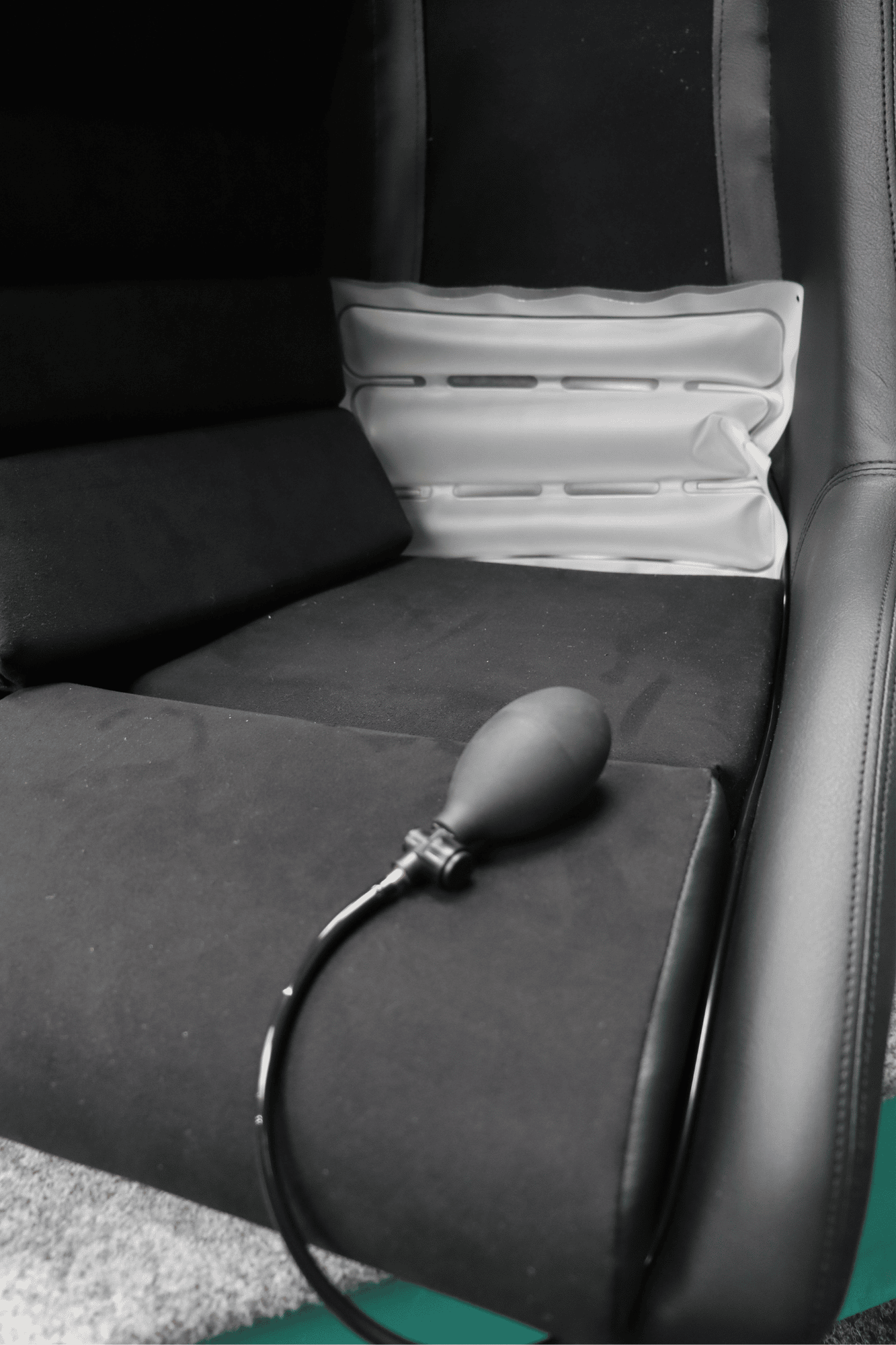
Each pad uses a simple manual pump system connected to the cushion via a small air line. By pumping air into the pad, you increase the thickness and firmness of the support. Releasing air softens the cushion and reduces the pressure against your lower back.
This means you are not locked into one position. You can adjust the support depending on how you are sitting, how long you are driving, or even how your body feels on that day. It is a very practical solution for drivers who use their car in different ways, from short road drives to longer track sessions.
How the system works in practice
- Pump adds air to increase firmness and support
- Release valve lets air out for a softer feel
- Quick adjustments can be made while seated
- No tools or setup required once installed
One of the biggest advantages is how easy it is to fine-tune. You can make small adjustments until the support feels just right, rather than having to accept a fixed level of padding. This is especially useful if multiple drivers use the same car, as each person can quickly adjust the lumbar support to suit themselves.
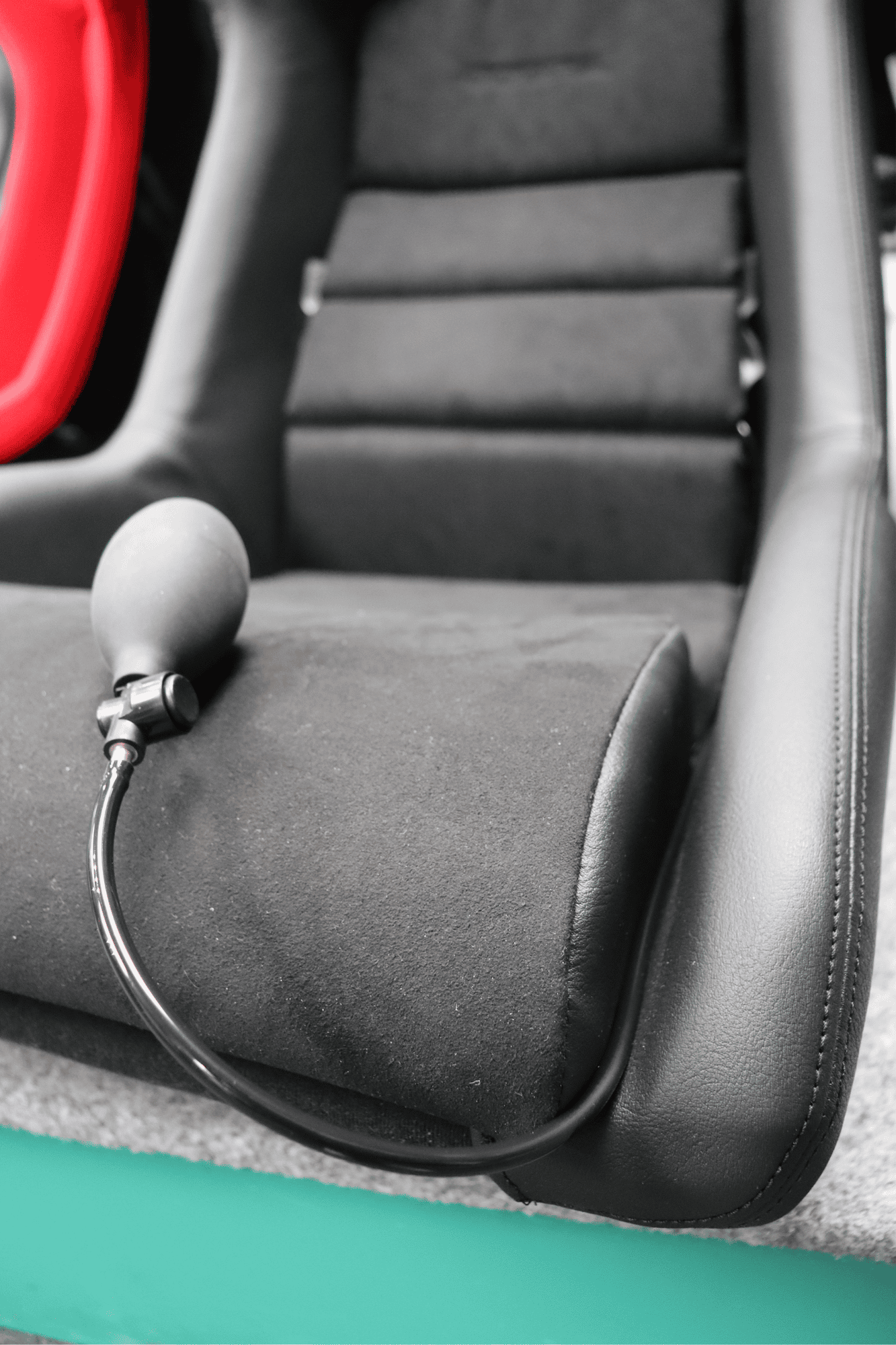
The system is also very lightweight and compact, so it does not add any noticeable bulk to the seat. Once installed, the cushion sits behind the seat padding, and the pump can be tucked neatly to the side when not in use.
Overall, it is a simple design, but it works extremely well. It gives you control over one of the most important aspects of seating comfort without affecting the performance or structure of the seat itself.
Designed to Work with Fixed Back Bucket Seats
These lumbar pads are specifically suited to fixed back bucket seats, where there is no built-in lumbar adjustment.
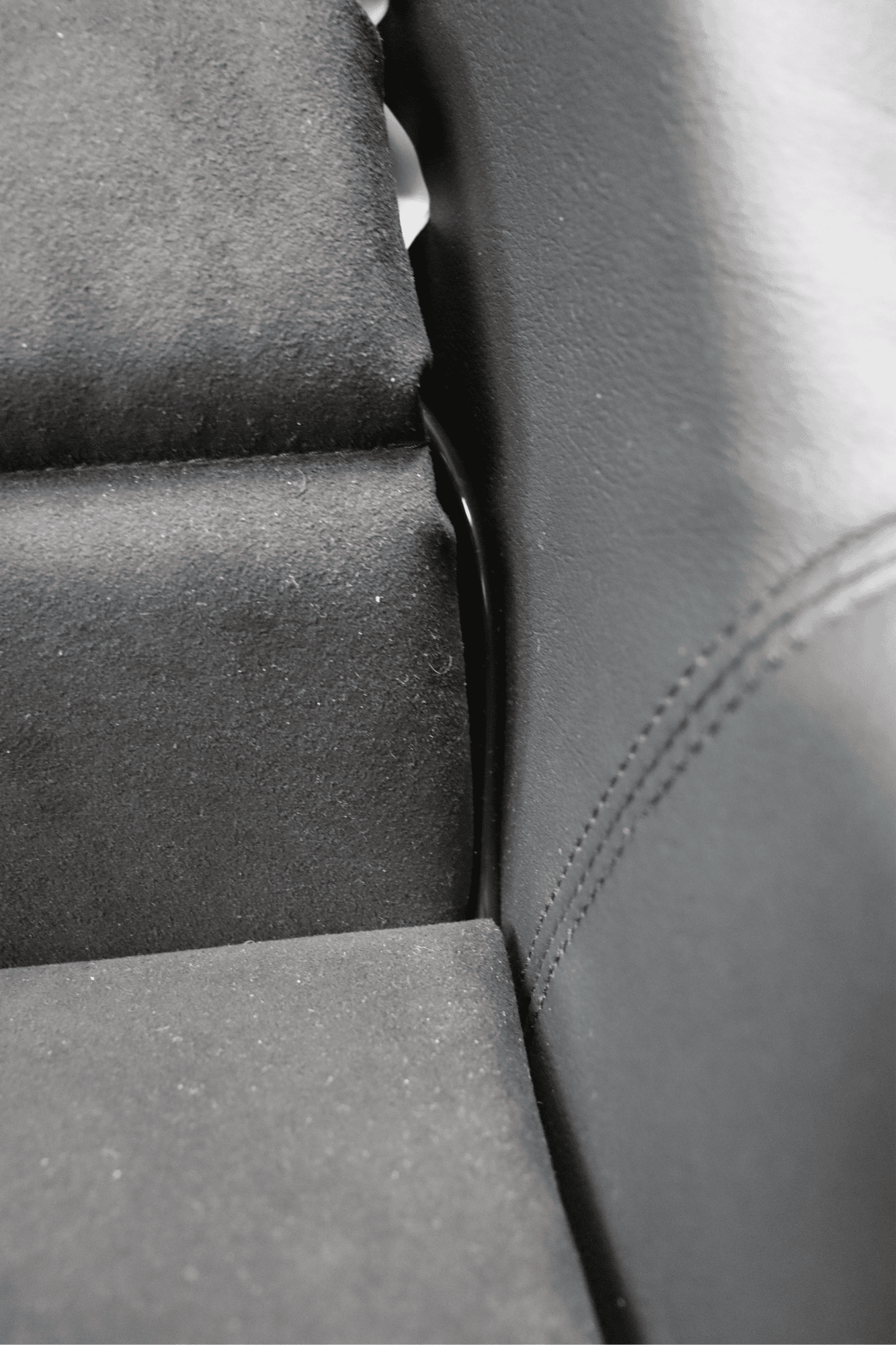
They are designed with a low profile so they can sit behind the seat cushion without affecting the overall shape of the seat too much.
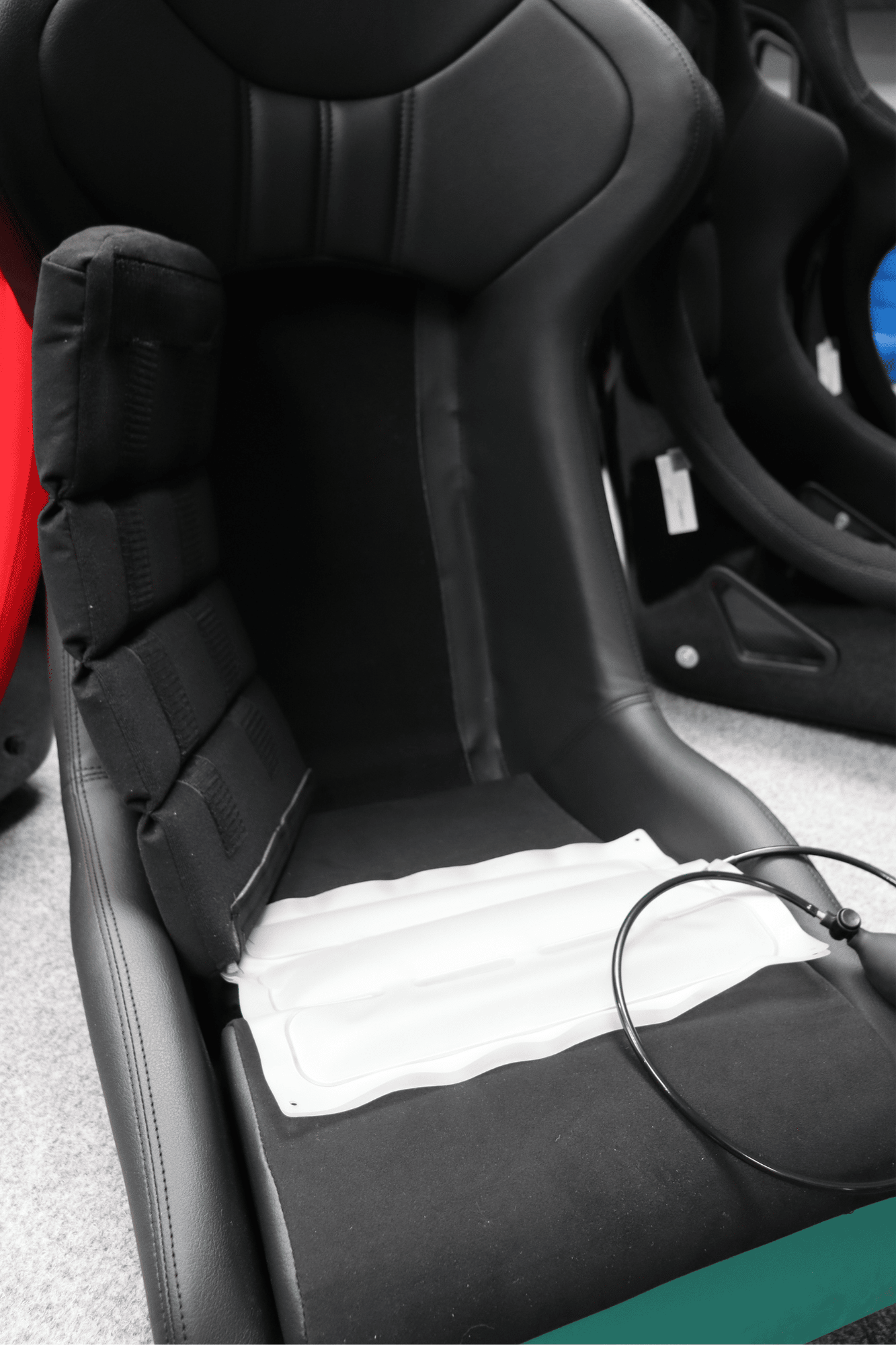
Most bucket seats use removable cushions that are secured with velcro. This makes installation very straightforward.
How they fit into the seat
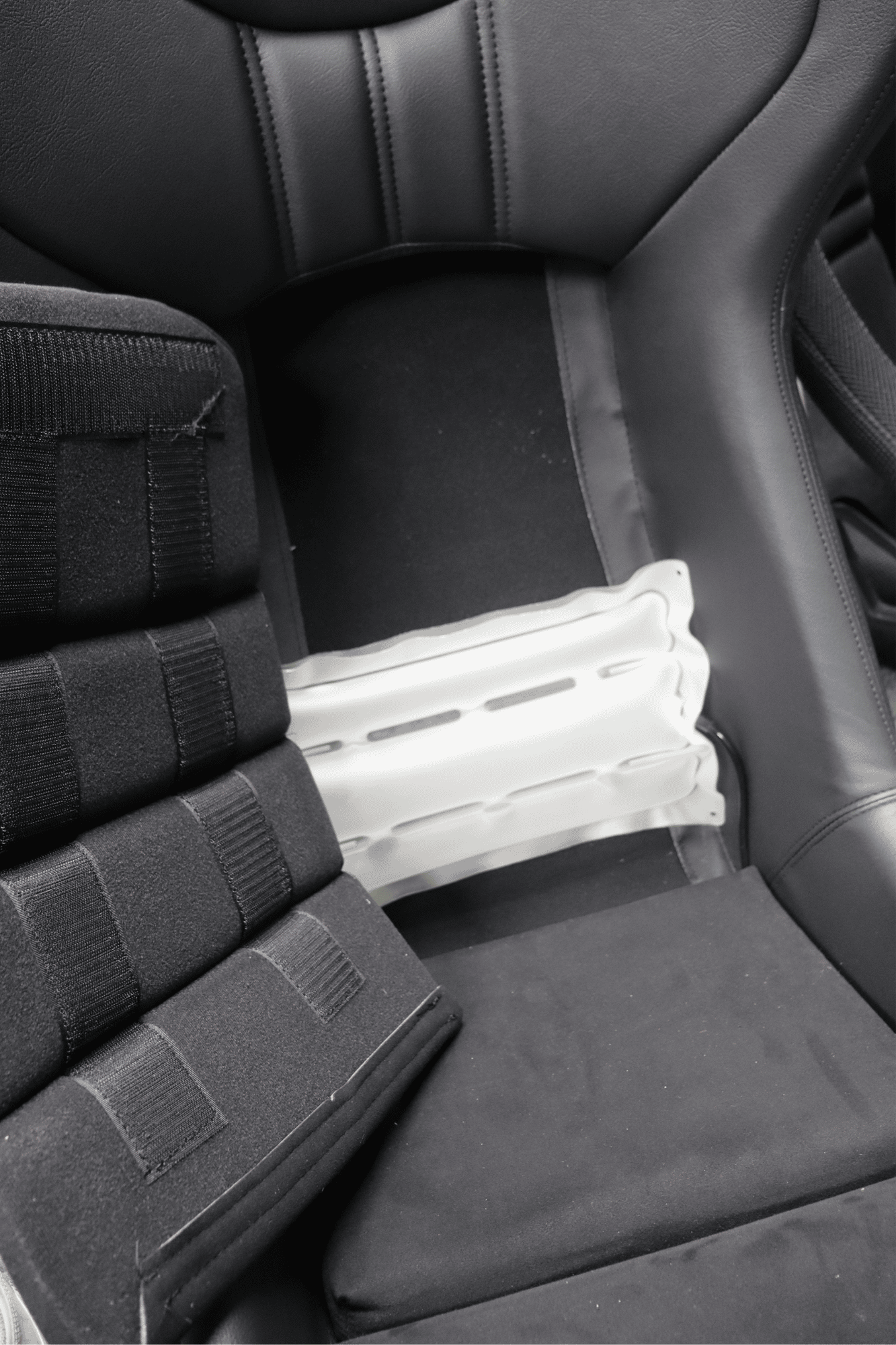
- Cushion is removed from the seat
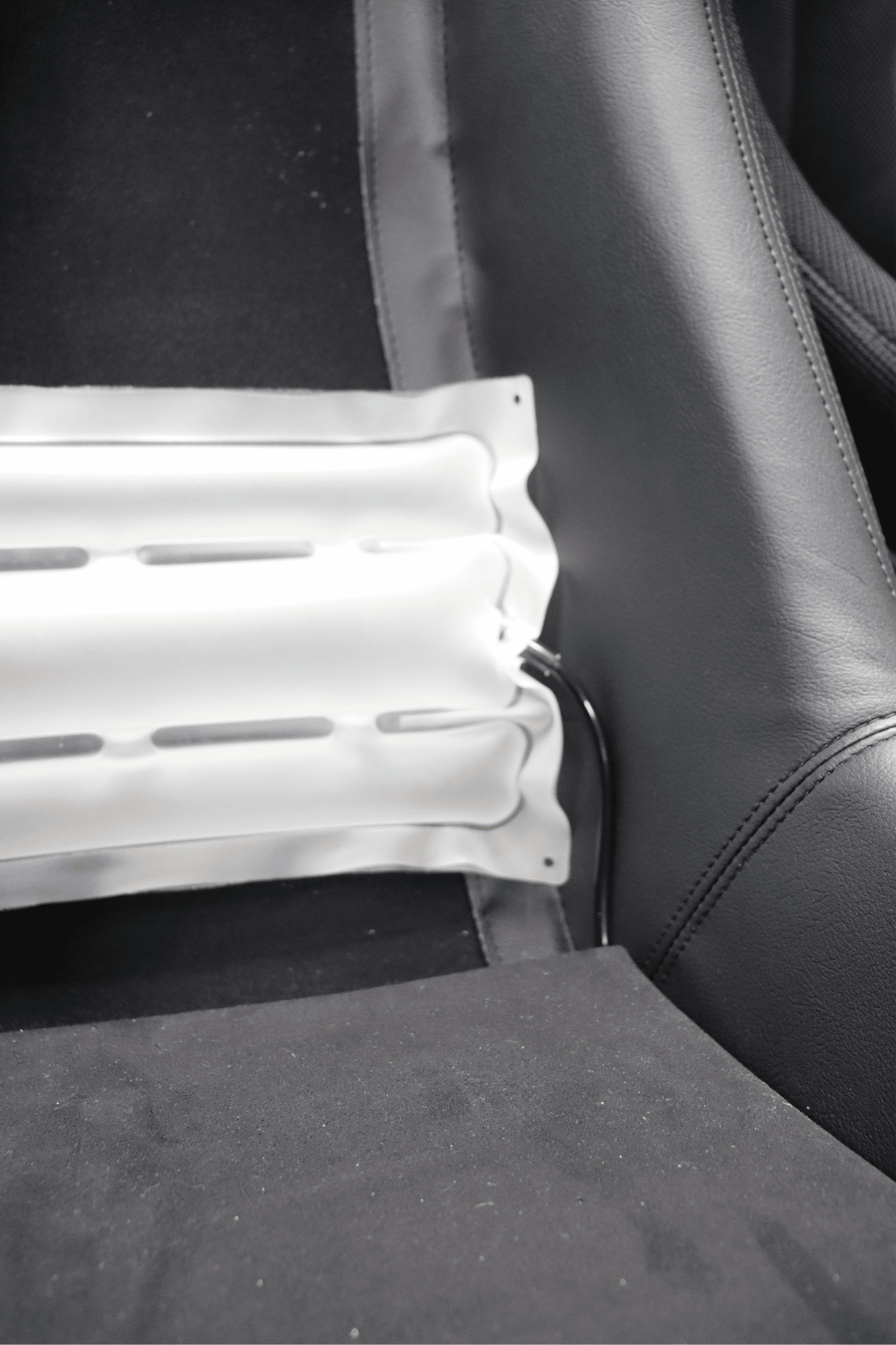
- Lumbar pad is placed behind it
- Cushion is reattached over the top
- Pump pipe is routed neatly to the side
The air pipe is thin and flexible, so it can be tucked down the side of the seat and brought forward when needed. This keeps everything clean and out of sight.
Because the pad is not fixed in place, you can move it up or down slightly to get the exact support position that works best for you.
3-Cell vs Single-Cell Lumbar Pads
We stock two versions of the Real Race inflatable lumbar support, and each one is designed for a slightly different type of driver.
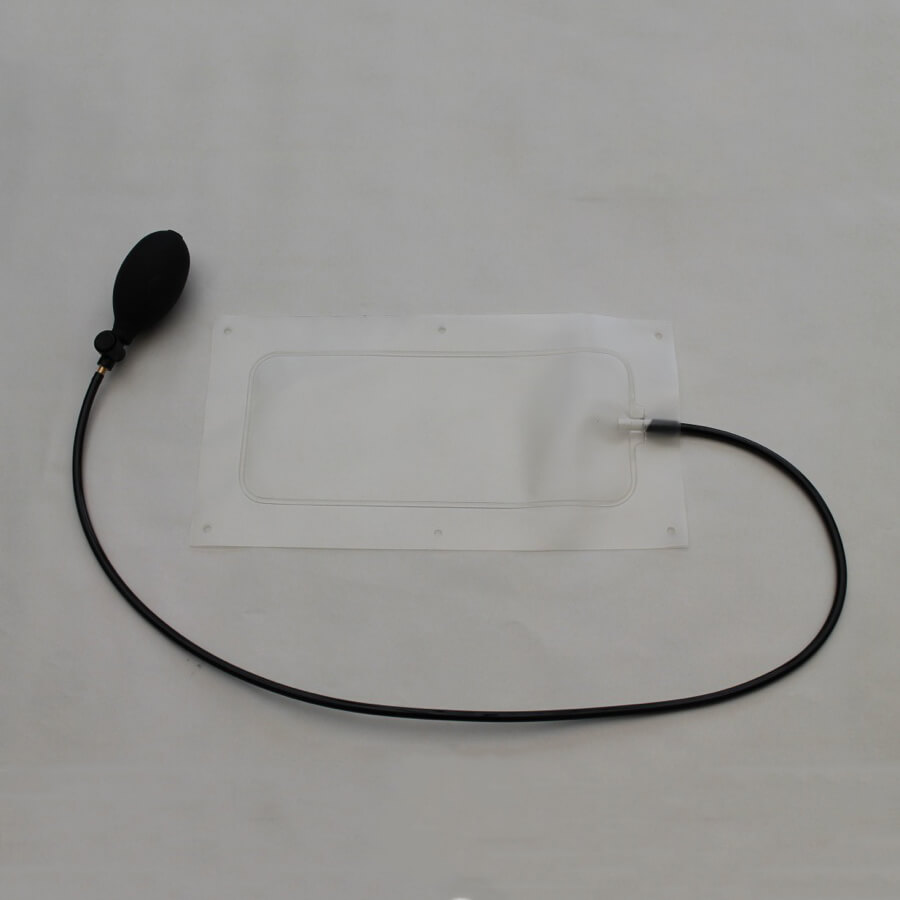
Real Race Single-Cell Lumbar Support
The single-cell version is a more subtle option. It focuses support in one area rather than spreading it across the full back.
Key points
- Single air chamber design
- More focused support area
- Easier to fine-tune small adjustments
- Good for light support and comfort
This is a great option if you just need a small amount of support rather than a full backing cushion.
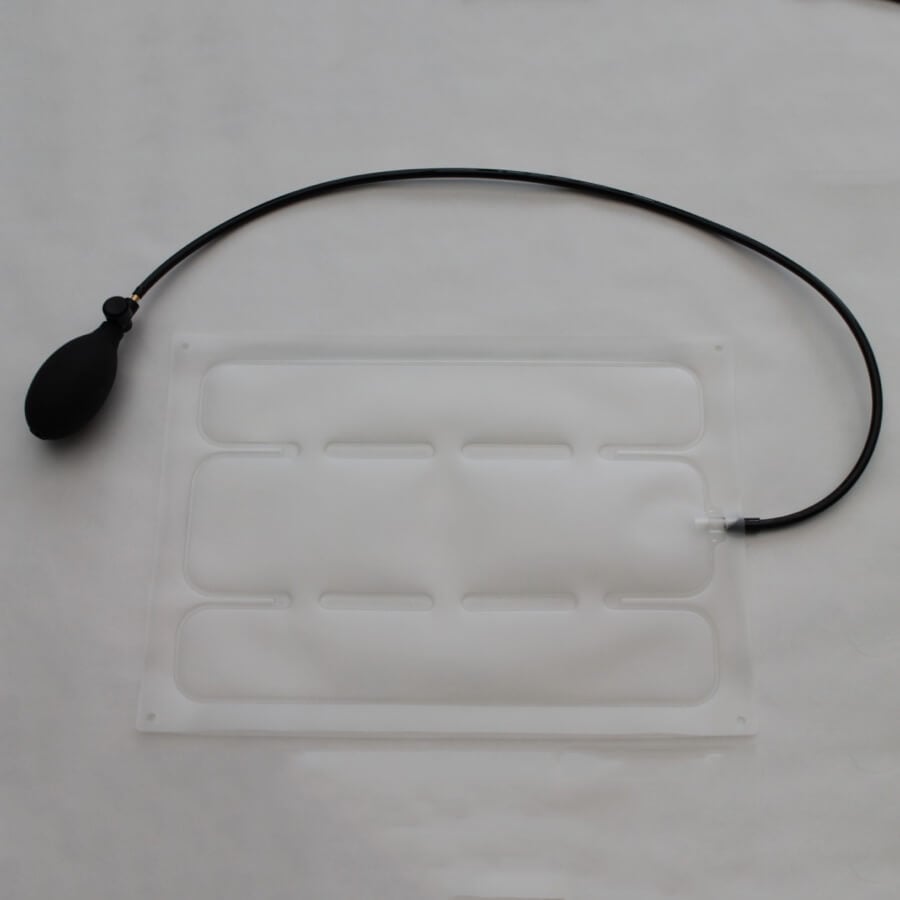
Real Race 3-Cell Lumbar Support
This version spreads support across a larger area of your lower back. It is designed for drivers who need more coverage or stronger support.
Key points
- Three separate air chambers
- Wider support area across the lower back
- Better for longer sessions
- Ideal for drivers with more serious back discomfort
This is the more supportive option of the two and works well if you need consistent pressure across a larger section of your back.
If Your Seat Cushions Are Not Removable
Some bucket seats do not use velcro cushions and instead have fixed or stitched-in padding. This makes installing a lumbar pad more difficult.
In these cases, the seat trim would need to be removed and then refitted once the lumbar pad is installed.
Important points to consider
- Requires a professional trimmer
- Seat trim needs to be removed and re-stitched
- Pad becomes fixed in one position
- Less flexibility compared to removable setups
Because of this, these types of seats are not ideal for lumbar pad upgrades. The benefit of adjustability is lost, which is one of the main advantages of these cushions.
In-Store Availability and Testing
We keep both the single-cell and 3-cell lumbar pads in stock at our showroom, ready for immediate dispatch or collection.
We also have them fitted to selected display seats, so you can try them out in person and see the difference for yourself.
What you can do in-store
- Test both versions back-to-back
- Adjust pressure levels while seated
- Find the best position for your support
- Compare comfort across different seats
This makes it much easier to decide which version suits you before buying.
Final Thoughts: A Simple Upgrade That Makes a Big Difference
Lumbar support pads are one of the easiest ways to improve comfort in a bucket seat without changing your setup. They allow you to fine-tune your seating position and support your lower back properly, especially in seats that are designed more for performance than comfort.
With both single-cell and 3-cell options available, there is something to suit different drivers and different levels of support. Whether you are dealing with lower back discomfort or just want a better driving position, this is a simple upgrade that delivers noticeable results.