
Bucket Seat Materials Explained: Wear, Breathability & Longevity
Seat buying guide
When people choose a bucket seat they usually start with the brand, the model or the shell. The material covering it matters just as much. The trim decides how the seat looks, how it feels on a long drive, how it copes with hard use, and how it ages.
Every material ages differently. Some wear gracefully and pick up a patina; others show scuffs and shiny patches sooner. How long a seat looks new depends on how often the car is used, the size of the driver, how you get in and out, and the climate. This guide goes through the trims we supply, 3D mesh, velour, Alcantara and suede, leather and vinyl, so you can pick the right one and know what to expect.
- 3D mesh breathes best but is the least hard wearing on the bolsters
- Velour is soft and good value, and wears in gradually with shiny patches
- Alcantara and suede grip well and look premium, but need care in daily use
- Leather is easy to clean, lasts well and develops a patina
- Vinyl is the toughest and easiest to clean, but does not breathe
3D mesh fabric
3D mesh is used on motorsport bucket seats where airflow matters. Its open weave lets heat and sweat escape far better than a solid fabric, which is why it is popular for long track sessions and hot weather.
The open weave is also its weakness. It is not as hard wearing as other fabrics, and the bolsters and contact points can fray or flatten sooner, especially if you climb in and out a lot.
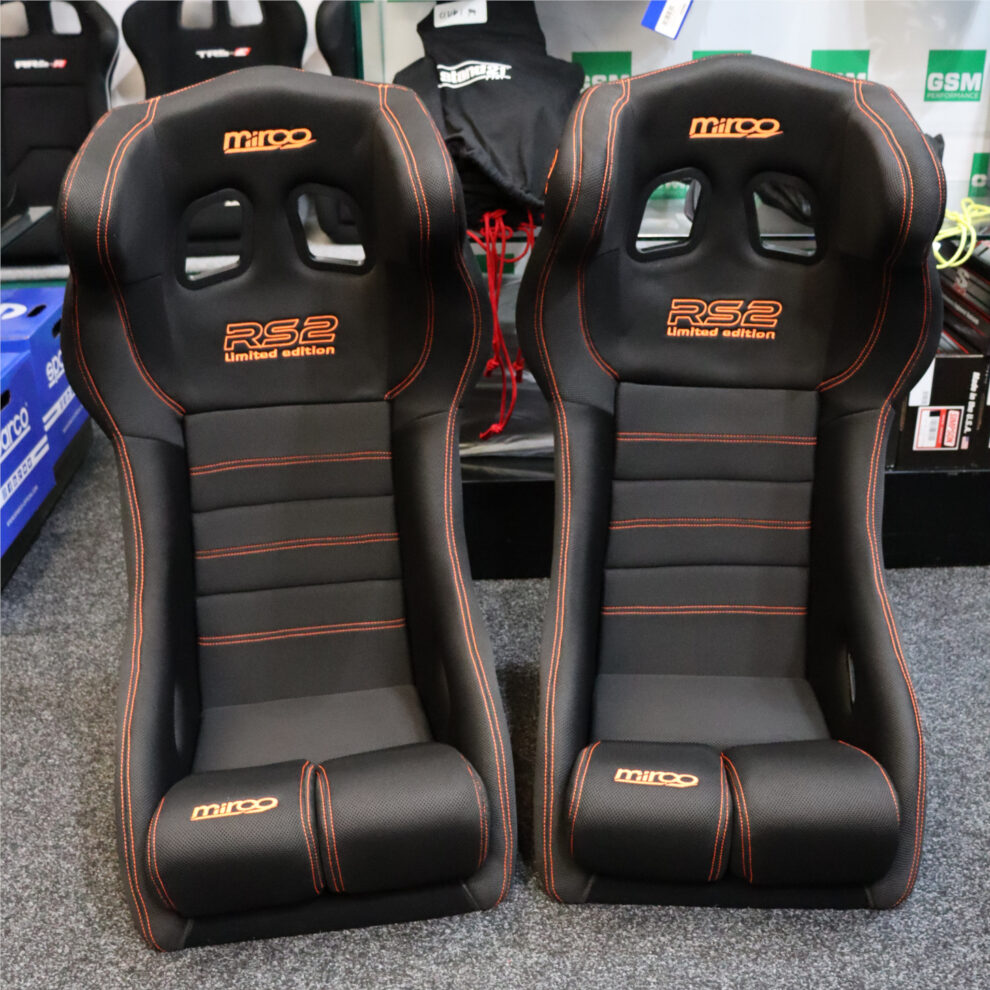
- Pros: very breathable and light, keeps you cooler on long sessions.
- Cons: less durable, with the bolsters wearing first.
- Best for: track cars and hot conditions where ventilation matters most.
Care tip: a regular gentle brush stops dirt working into the weave and keeps it looking fresh for longer.
Soft velour fabric
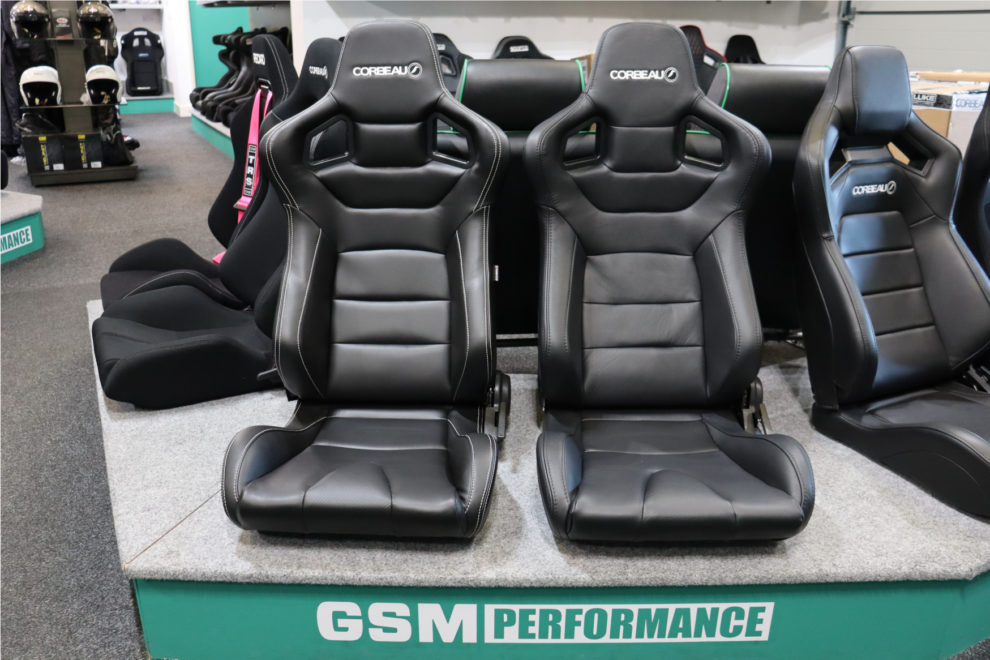
Velour is one of the most popular bucket seat trims because it balances comfort, practicality and price. It is soft and forgiving, and it feels familiar to anyone used to a factory interior, so it suits a car that still needs to be comfortable on the road while getting the support of a fixed back seat.
It wears in gradually rather than failing. Over time the surface smooths, and you may see shiny patches where clothing rubs on the base and bolsters. That is normal ageing, not a fault.
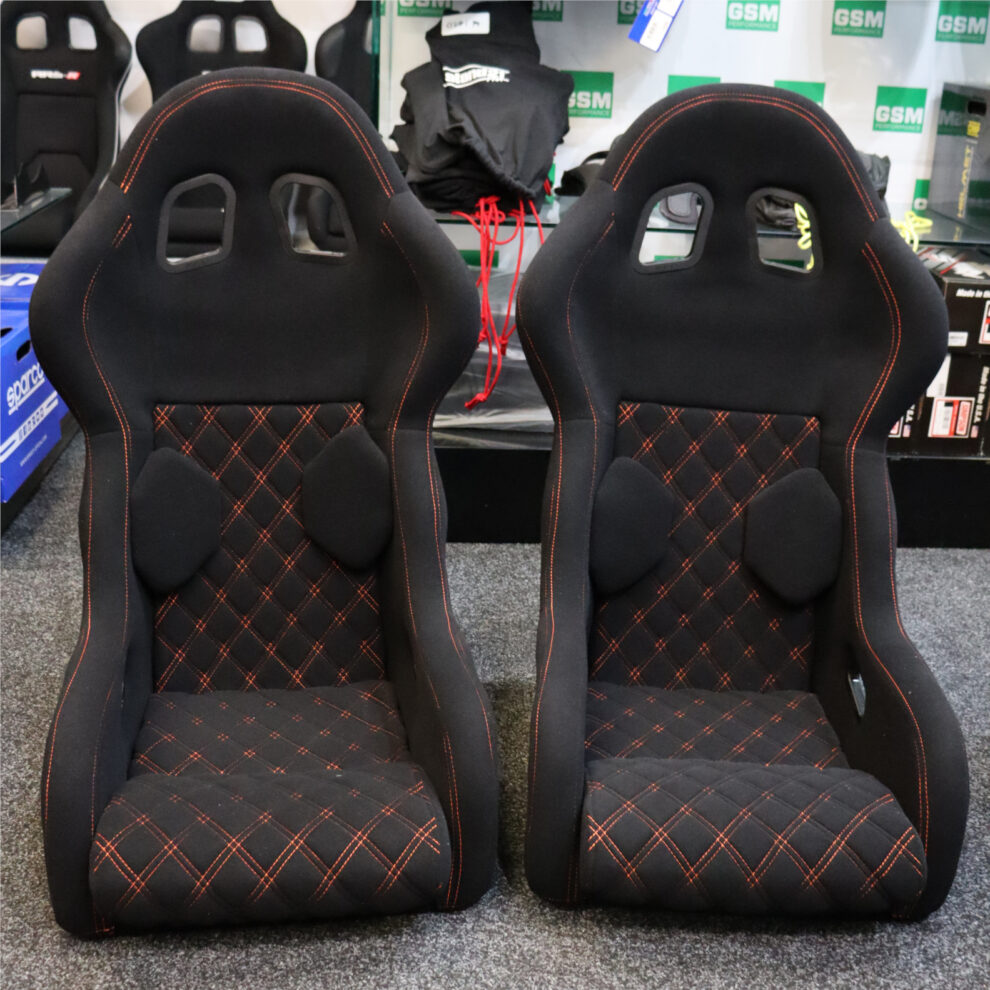
The downside is that velour collects lint, dust and pet hair, so it needs more vacuuming in an everyday car. It is still tough enough for years of road driving and the odd track day.
- Pros: soft, comfortable, wears in gradually.
- Cons: attracts lint and hair, and shiny patches appear over time.
- Best for: road cars and occasional track cars where comfort and value matter.
Alcantara and suede
Alcantara and suede are often seen as the premium choice. They look and feel high end, and they grip well, which helps hold you in place when driving hard. That grip is why Alcantara turns up in high end sports cars and on steering wheels.
The trade-off is that they are more delicate. In daily use, especially in high mileage cars, the bolsters and contact areas show wear sooner. Larger drivers, or anyone who slides across the bolsters getting in and out, may see flattening, shiny spots or darkening where skin oils and clothing rub.
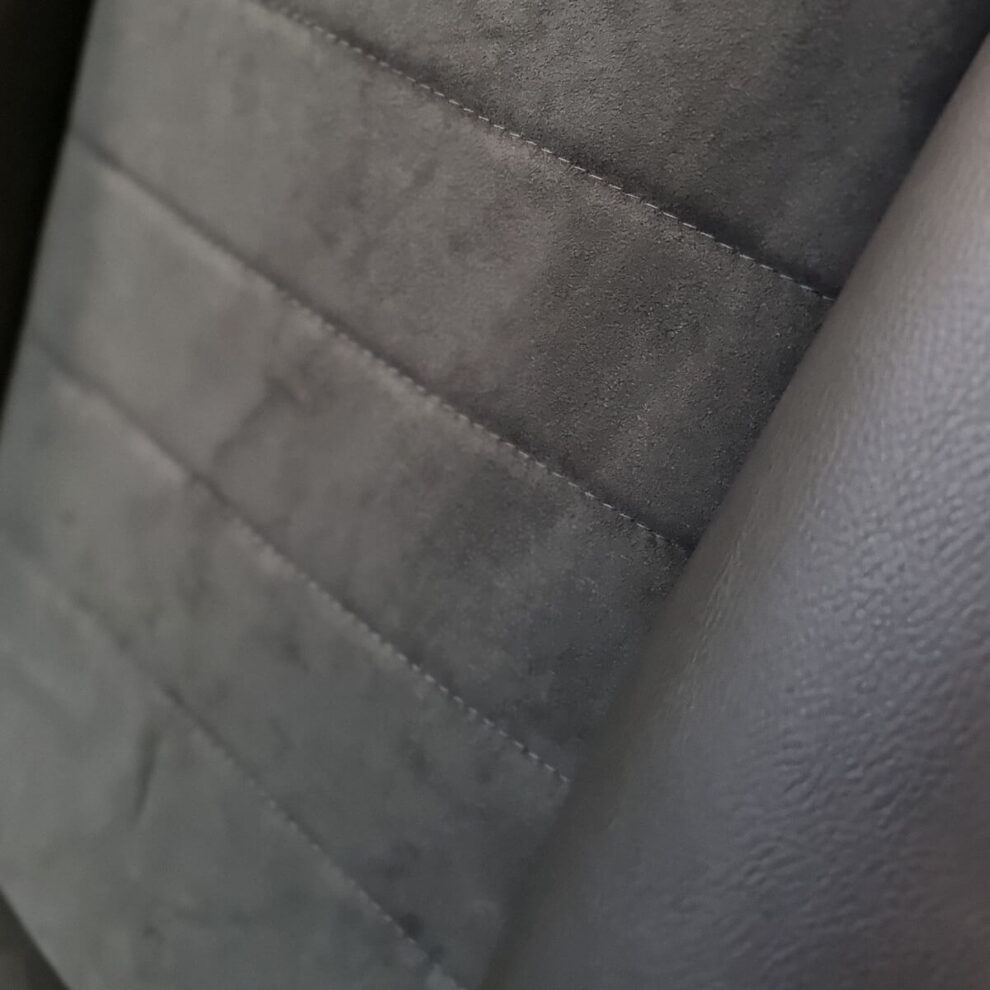
For the right car, though, they transform the cabin, and they suit show cars and track projects well. If looks and grip come first and you are happy to clean them regularly, they are one of the most rewarding trims.
- Pros: premium look, strong grip, motorsport style.
- Cons: wears faster in daily use and needs regular care.
- Best for: premium road cars, show builds and track cars where looks and grip matter most.
Leather: the premium everyday choice
Leather has always been a premium trim, and for good reason. It is tough, it looks smart, and it is one of the easiest materials to clean. In a car that is used every day it copes with constant use better than most fabrics.
It ages with character, softening and creasing at the bolsters into a patina that many owners like. Conditioned regularly, it stays supple and resists cracking.
It can feel slippery under hard driving compared with a grippier trim, which is why some seats combine leather with suede or Alcantara inserts. It also gets hot in direct sun, so a sunshade helps if the car lives outside.
- Pros: smart, long lasting, easy to clean, ages with character.
- Cons: hot in direct sun, less grip under hard driving.
- Best for: daily drivers, premium builds and show cars.
Vinyl: tough and practical
Vinyl is the choice for a seat that has to take a beating. It is one of the toughest, lowest maintenance materials there is, which is why it is used in rally cars, off road vehicles and working builds. Mud, water, food and drink wipe straight off.
It does not breathe, so on a hot day it can feel sticky compared with fabric. Left in strong sun for long periods it can also crack with age. Keeping it out of the sun where you can, and using a protectant, goes a long way.
- Pros: very durable, easy to clean, resists mud and stains, good value.
- Cons: not breathable, hot in summer, can crack if neglected.
- Best for: rally cars, off roaders and builds where toughness comes first.
What really affects seat wear
No material is indestructible, and even the toughest leather or vinyl will age. What makes the difference is how the seat is used:
- Driver size and habits. Larger drivers, and anyone who slides over the bolsters getting in and out, speed up wear.
- Road or track. Harnesses, sweat and heat work a track seat much harder than a road seat with a normal belt.
- Hours of use. A daily driver’s seat wears faster than a weekend car’s.
- Environment. Sun fades fabrics, damp encourages mould, and harsh cleaning products shorten a trim’s life.
Knowing this helps set expectations. Wear is normal; it means the seat is being used.
Wear and faults are different things
Flattened suede, shiny velour and a leather patina are the natural ageing of a trim, and manufacturers treat them that way. A seam that splits early, stitching that lets go or a structural problem is a different matter. If you think a seat has a fault, contact us with photos and we will take it up with the manufacturer.
Choosing the right material
- Premium looks and grip: Alcantara or suede, expecting faster wear.
- Everyday comfort and good value: velour.
- Premium and long lasting: leather.
- Rugged and low maintenance: vinyl.
- A track car where airflow matters most: 3D mesh.
Garreth’s advice is to think about how the car is really used before choosing on looks alone. If you can, come and feel the trims side by side in the showroom.
Which bucket seat material is most breathable?
3D mesh fabric, thanks to its open weave, which is why it suits track use in hot weather.
Which seat trim lasts longest in a daily driver?
Leather and vinyl are the most hard wearing, and leather is easy to clean and ages with a patina.
Is it normal for velour to go shiny?
Yes. Shiny patches where clothing rubs are normal ageing for velour, not a fault.
Does Alcantara wear quickly?
It can in daily use, especially on the bolsters, so it needs regular cleaning and care.
Is vinyl a good choice for a rally car?
Yes. It is tough and wipes clean of mud and water, though it does not breathe.
💬
Not sure which trim?Tell us how the car is used
Send us the car and how often it is driven, and we will suggest the trim that will age best for you.
Need a personal recommendation?
We're here to ensure you pick the right seat.
Contact us today.
