

 Hundreds Of Products Ready Today. Dispatch/Collection
 Can You Use a Safety Device Roll Cage And Still Retain The Soft Top Functionality?
If you’re exploring roll cage options for your soft top vehicle, this blog is here to guide you through one of the most frequently asked questions: Can you retain your soft top roof with a Safety Devices roll cage installed? We’ll focus on the most common solution, bolt-in roll cages, and help you understand how they interact with soft top designs like those found on the NA/NB Mazda MX-5, Triumph TR6, BMW Z Series, MG convertibles, and even lightweight platforms like the Caterham.
Before we dive into specific fitment details and car compatibility, it’s worth stepping back to look at why drivers install roll cages in the first place. If you’re participating in any FIA-homologated motorsport event, a roll cage is a non-negotiable safety requirement. These events have strict regulations, and your vehicle must be fitted with an approved cage to be eligible to race.
That said, we always recommend fitting a roll cage even if you’re just attending track days or fast-road events. Soft top vehicles are more vulnerable due to the lack of a fixed roof structure, increasing the risk during a rollover or side impact. A roll cage provides critical reinforcement to protect you in case things go wrong; it’s the kind of safety upgrade that could make all the difference.
This blog post will cover Safety Devices roll cage types (mainly bolt-in and briefly weld-in), highlight how they’re designed to work with soft top functionality, and offer examples of what works well across popular platforms. Whether you’re prepping a road-legal track toy or building a full motorsport-spec machine, this is your starting point to better safety without giving up the roof you love.
Retaining Soft Top Functionality with a Roll Cage
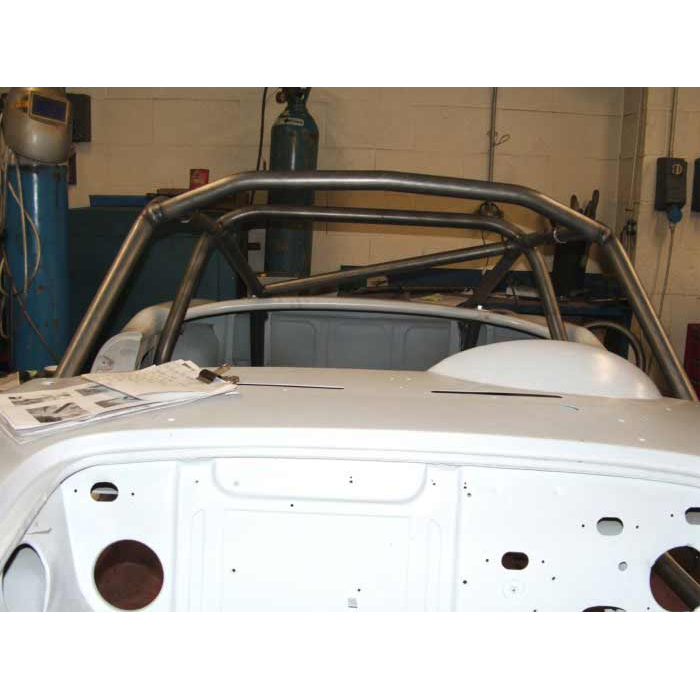
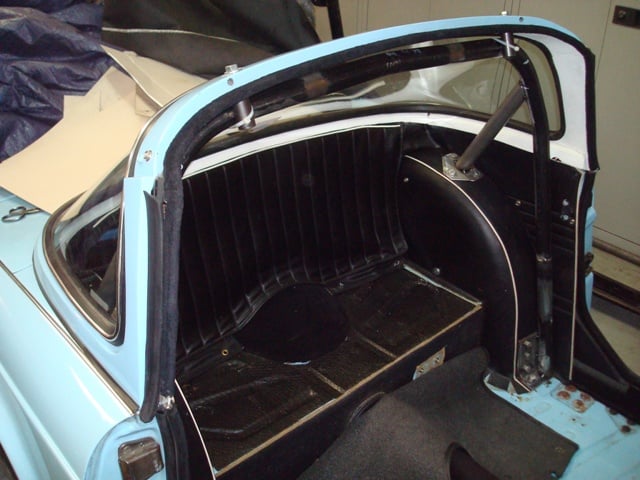
One of the biggest questions for any convertible owner adding a roll cage is whether the soft top can still be used normally. The good news is that for many bolt-in cage designs, including several from Safety Devices, the answer is yes. These cages are designed to fit within the car’s factory dimensions and clearances, meaning they tuck up under the roofline and around the edges so that the folding soft top or even a detachable hardtop can still mount and operate. Safety Devices explicitly considers this in their designs: for example, their Morgan roadster cages are built to allow full use of the original soft top with little to no interior trimming needed. In general, a rear roll bar or half-cage (main hoop and backstays) will sit behind the seats and usually does not interfere with a vinyl or fabric roof. This means you can still latch your soft top on rainy days or fold it down to enjoy the sun, even after upgrading your rollover protection.
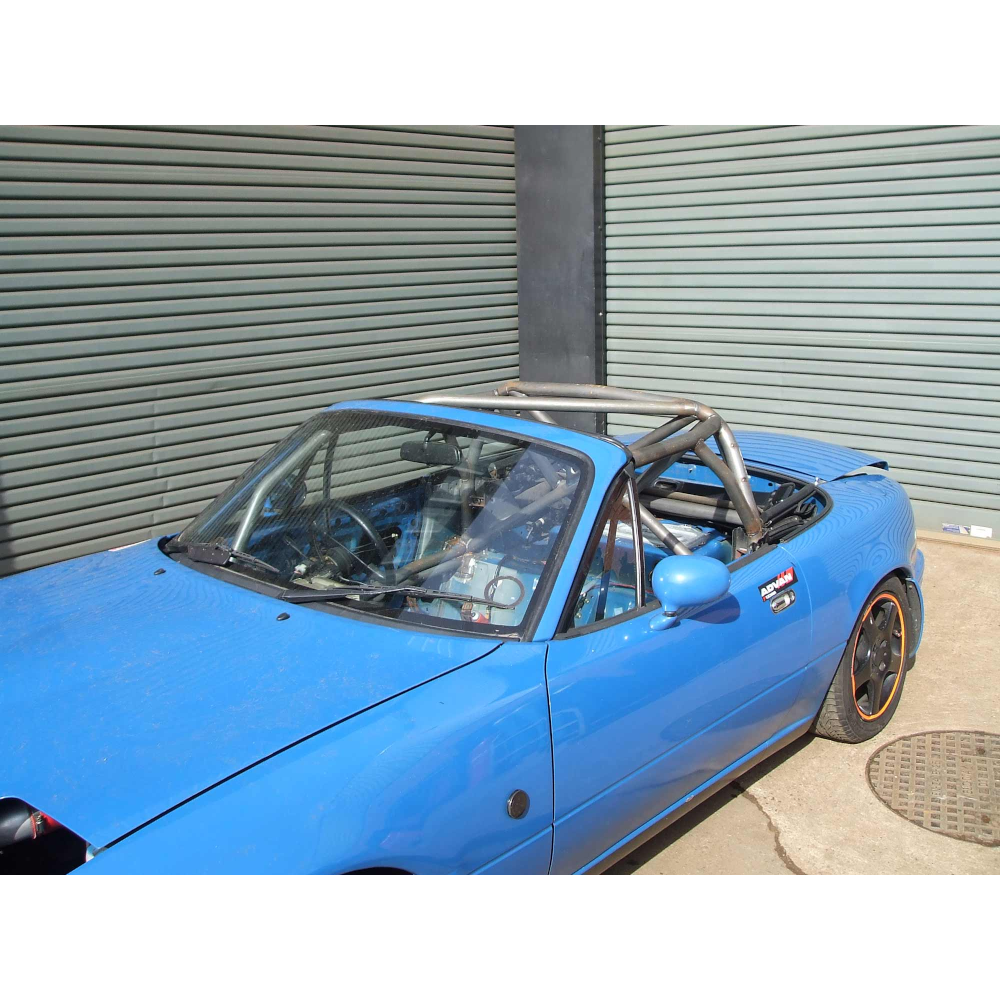
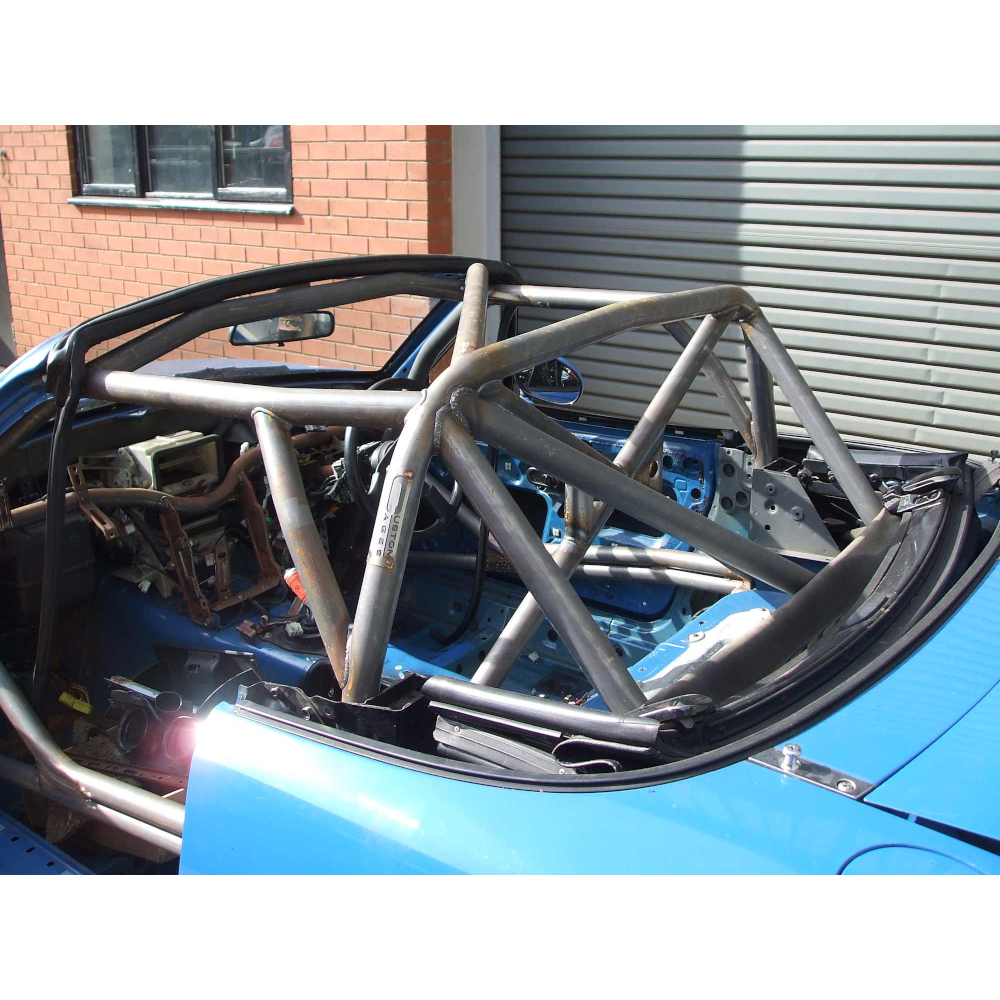
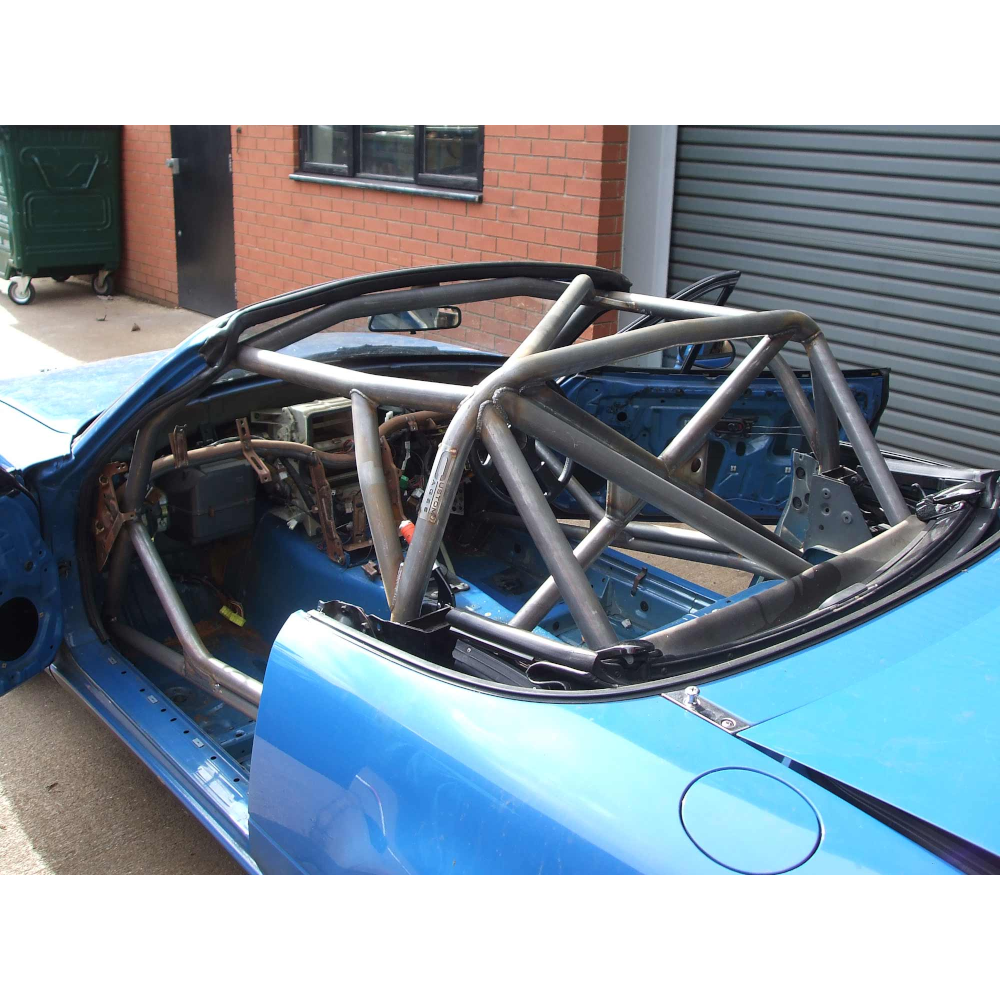
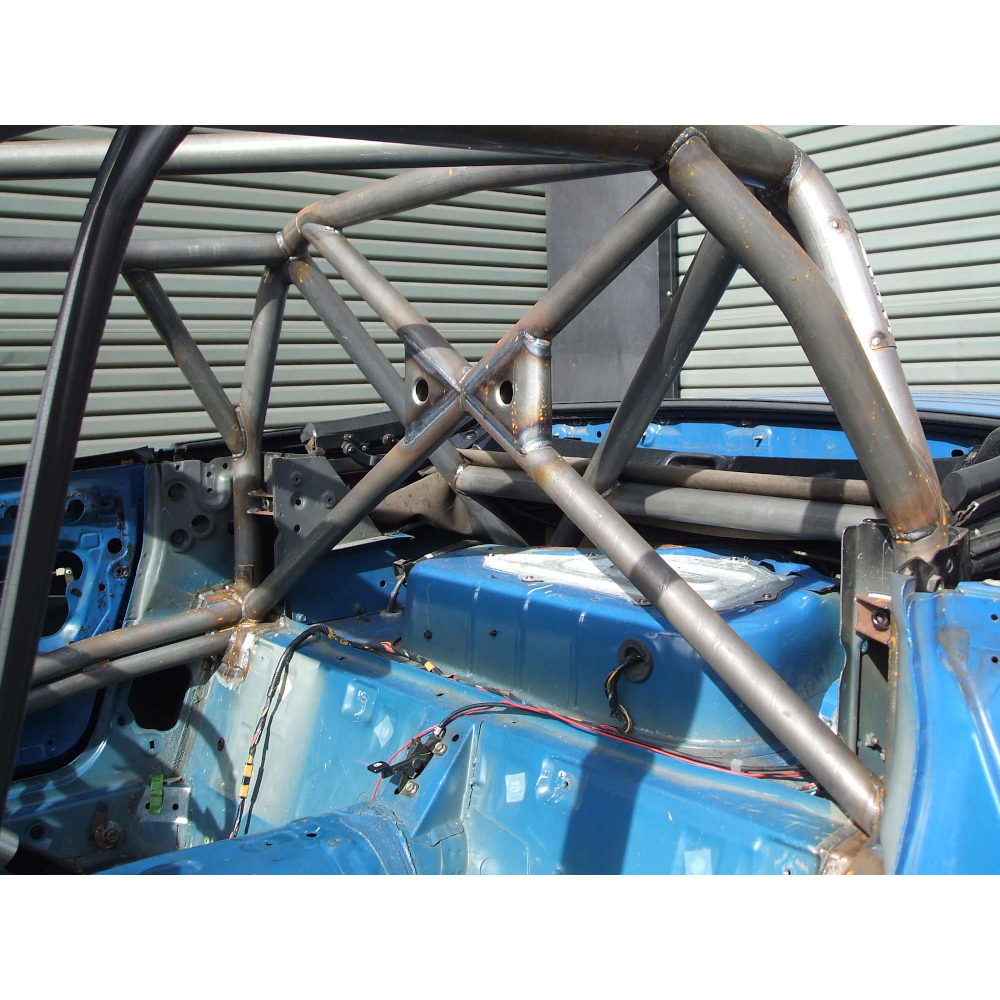
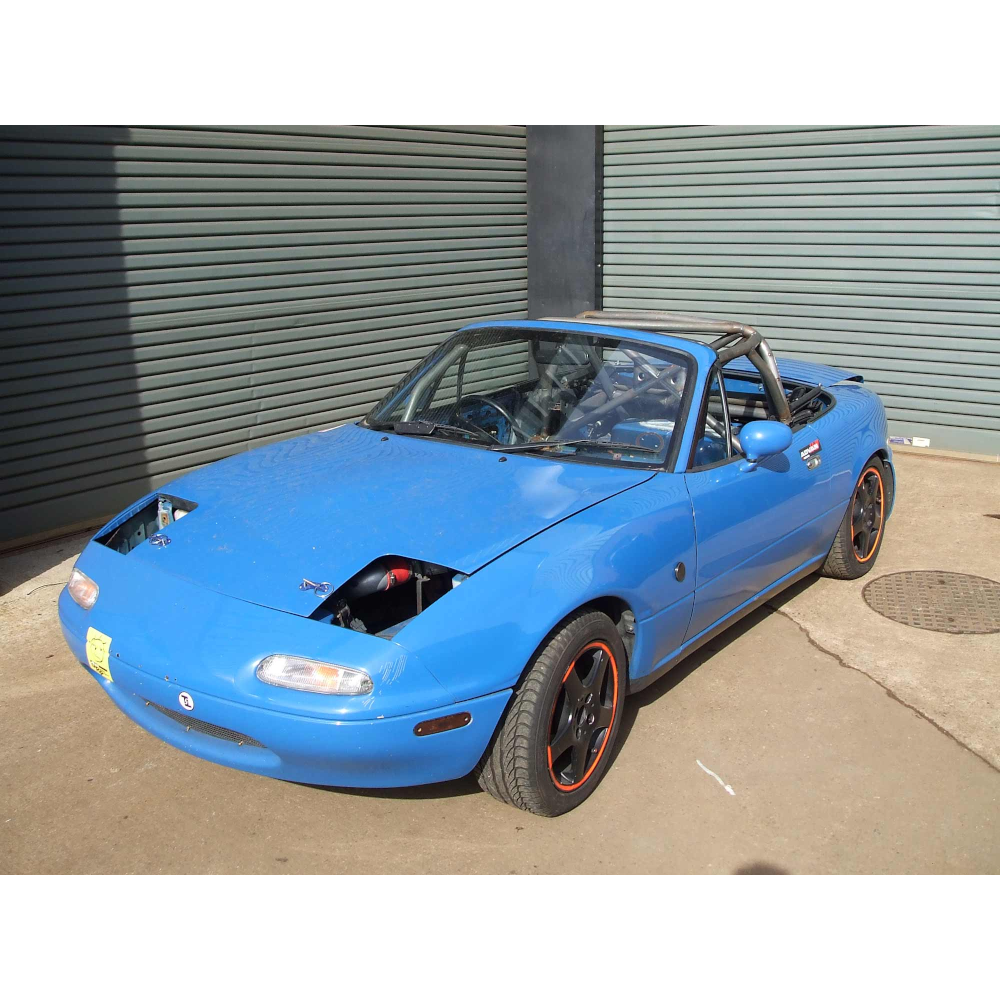
Not all roll cages are compatible with soft tops. Whether you can retain your roof depends on the cage design and the car model. Full competition cages with front hoops and door bars often require modifying or removing the soft top. For example, Safety Devices’ 6-point cage for the Mazda MX-5 NA/NB doesn’t allow the factory soft top to fit, as the front bars pass through the dashboard and interfere with the folding mechanism. In these cases, owners either run without a roof or switch to a hardtop. Safety Devices notes that their cage works with some aftermarket hard roofs, but not the original soft top.
Some cages, however, are more soft-top friendly. Safety Devices offers options like removable front sections or alternate mounting brackets to allow clearance. One example is their rear roll cage for the Porsche 986 Boxster, which can be ordered with convertible roof brackets so the power roof still operates normally. Choosing the right spec allows drivers to retain both safety and soft top convenience.
That said, keeping the roof can sometimes limit cage design. Some “road/track” style roll bars skip rear stays to avoid interference with the roof mechanism, which may reduce rigidity. For example, one Safety Devices MX-5 customer chose a half-cage with rear stays and removed the soft top altogether, prioritising rollover safety over convenience.
In general, most bolt-in rear cages and roll bars from Safety Devices are designed to work with soft tops. Only the more extreme multi-point competition cages typically interfere. Always review the product notes carefully, and where possible, consider workarounds like roof brackets or aftermarket hardtops. For many convertible owners, a bolt-in Safety Devices cage offers the perfect balance between safety and open-air driving.
Got a question about the equipment we sell?
Why Choose Garreth And Cameron At GSM Performance?
Soft Top Compatibility Overview for Safety Devices Roll Cages
Here’s a breakdown of which Safety Devices roll cages do and don’t retain soft top roof functionality across a variety of popular open-top vehicles. Most of the bolt-in cages are designed to accommodate the original roof setup for dual-purpose use, while others (especially weld-in or full competition cages) may require removing the soft top for clearance. This table is a quick reference to help you find the right balance between protection and usability.
| Vehicle | Type of Cage | Soft Top Compatible? | Notes |
| Mazda MX-5 Mk1 (NA) | Bolt-in Roll Bar | ✅ Yes | Designed to work with the factory soft top and plastic rear window. |
| Mazda MX-5 Mk2 (NB) | Bolt-in Roll Bar | ✅ Yes | Soft top operation is retained fully. |
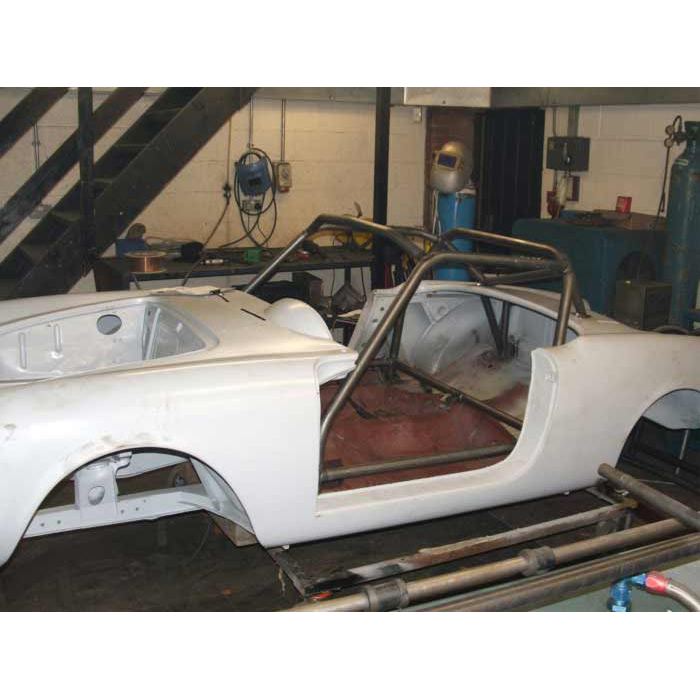
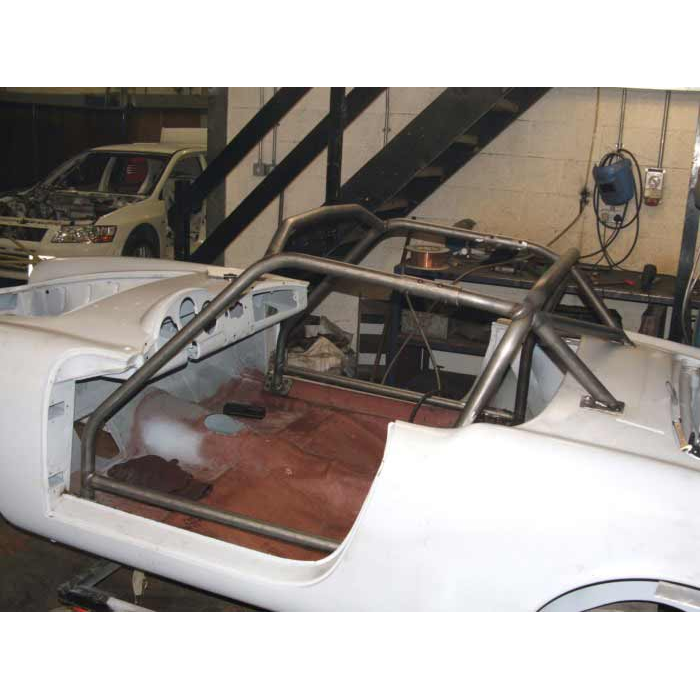
| Triumph TR6 | Bolt-in Rear Hoop | ✅ Yes | Compatible with soft top when carefully fitted. |
| Caterham 7 | Bolt-in (Custom) | ❌ No | Cage exceeds the roofline, incompatible with soft top. |
| MG Midget/MGB | Bolt-in Roll Bar | ✅ Yes | Designed for use with soft top roofs. |
| BMW Z3 Roadster | Bolt-in Roll Bar | ✅ Yes | Low profile roll bars to retain roof function. |
| BMW Z4 (E85) | Bolt-in Roll Bar | ❌ No | Typically replaces the factory hoops and soft top must be removed. |
| Lotus Elise S1/S2 | Bolt-in/Track Spec | ❌ No | Often used with hardtop only setups. |
| Triumph Spitfire | Bolt-in Roll Bar | ✅ Yes | Compact design keeps clear of soft top rails. |
Overview of Safety Devices Roll Cages (Bolt-In vs. Weld-In)
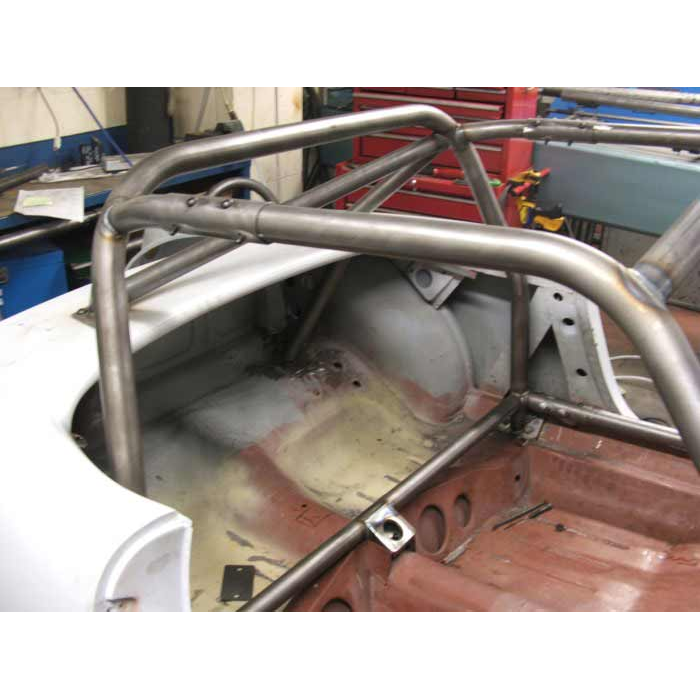
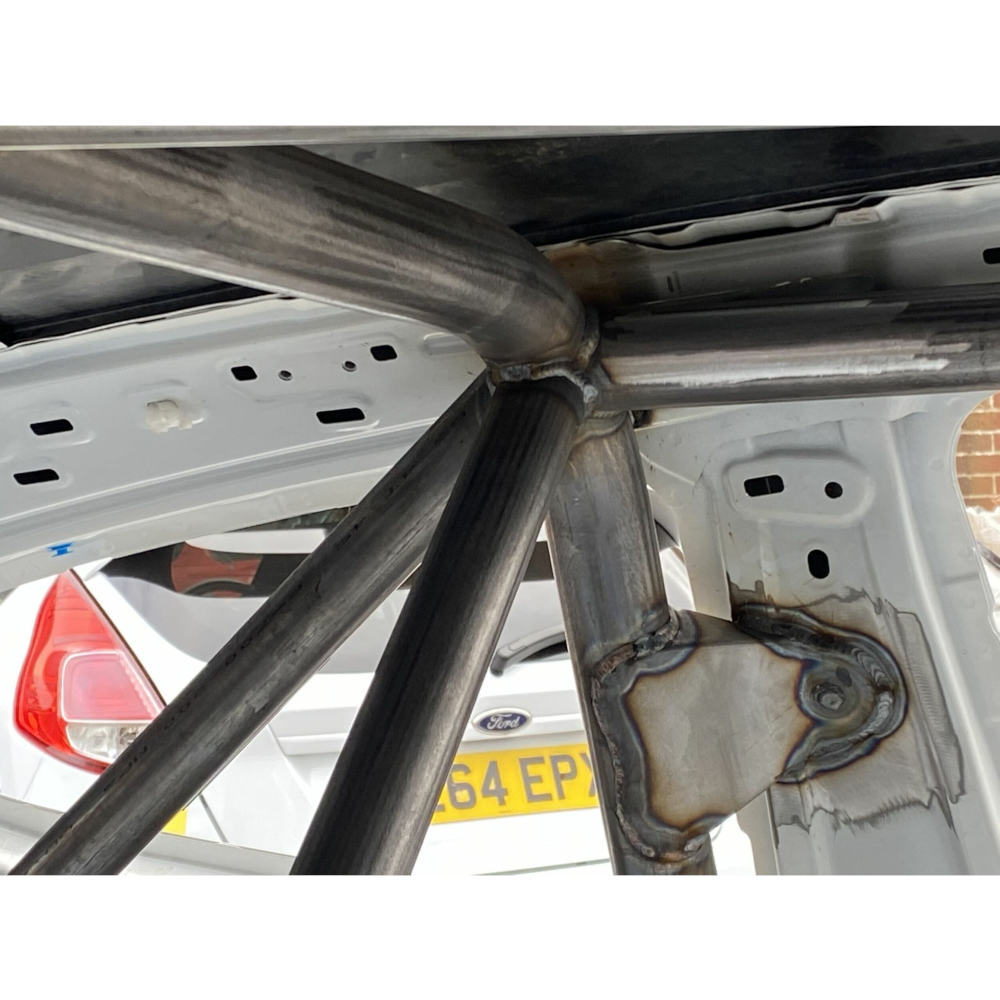
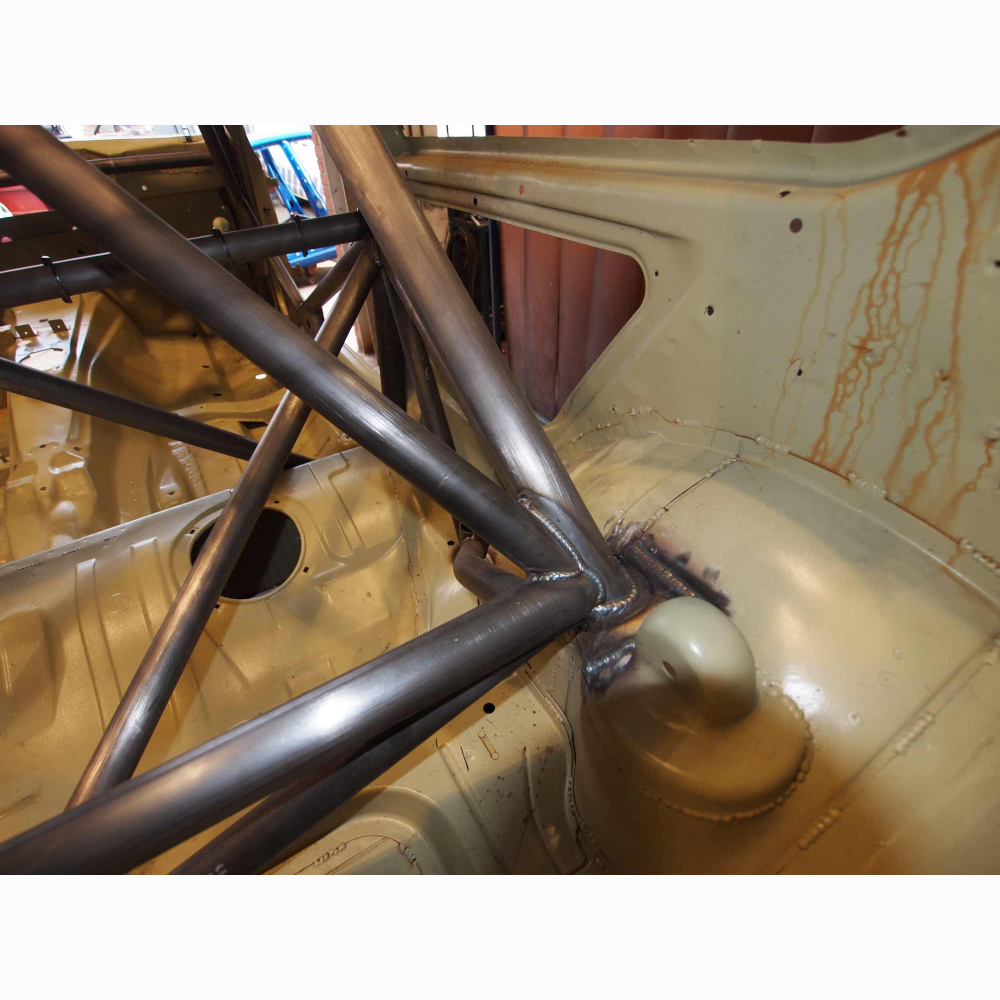
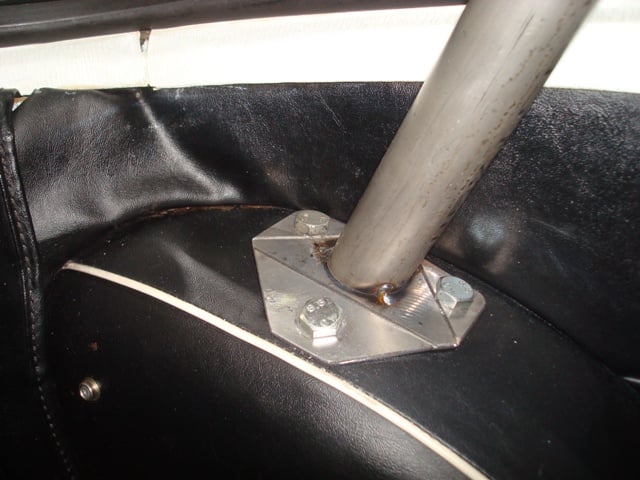
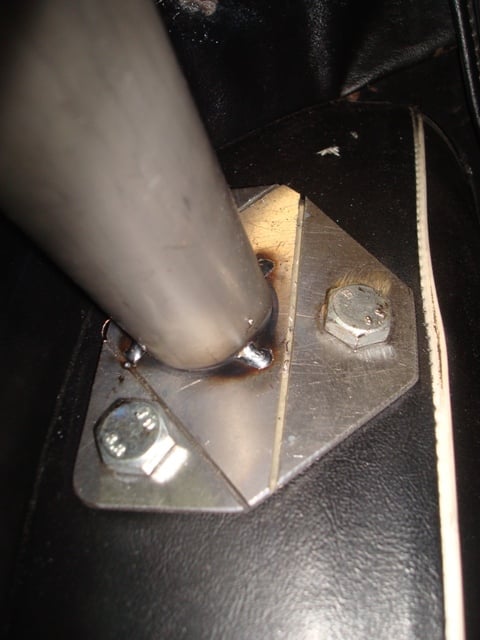
Safety Devices is a renowned UK manufacturer of roll cages and rollover bars, known for offering high-quality bolt-in cage kits for a wide range of vehicles. Bolt-in cages are pre-designed assemblies that can be bolted to the car’s chassis (often onto welded mounting plates) rather than fully custom-fabricated in the car. This makes them a popular choice for enthusiasts and track-day drivers, they provide certified rollover protection while typically being easier to install (and even remove) than a bespoke weld-in cage. In contrast, weld-in cages are usually custom-built and permanently welded into the vehicle’s frame. Weld-in solutions can offer even greater rigidity and a tailored fit (common in professional motorsport), but they demand more extensive installation work and often render the interior less street-friendly.
Safety Devices primarily focuses on bolt-in roll cages, which are engineered for specific models and motorsport regulations. These cages use high-grade steel tubing (T45 or CDS) and are CAD-designed to fit the car’s interior contours closely. Many bolt-in kits still require minor welding (for example, attaching foot plates to the floorpan), but the cage sections themselves bolt together. This gives drivers the best of both worlds, much improved rollover safety and chassis stiffness, without the full commitment of a permanent weld-in cage. In fact, a bolt-in Safety Devices cage can often be installed in a day or two and removed later if needed (for example, to restore a car to stock condition), whereas a weld-in cage is a one-way transformation.
It’s worth noting that Safety Devices has been designing cages for decades (since 1972) and supplies products from grassroots motorsport up to professional rally cars. Their bolt-in cage kits are crash-tested and competition-proven, offering peace of mind whether you’re building a track toy or just want extra security on the road. And for those with very specific needs, Safety Devices also offers bespoke cage design and installation services, but for most customers, the off-the-shelf bolt-in options tick all the boxes. Next, we’ll explore a key concern for convertible owners: can these roll cages be used without sacrificing the soft top’s functionality?
Vehicle-Specific Insights for Soft Top Cages
Mazda MX-5 (NA/NB, 1989–2005)
Early MX-5s have no built-in rollover protection, making roll bars a popular upgrade. Safety Devices’ full 6-point cages do not allow soft top use, as the front cage sections interfere with the roof frame. However, their twin-hoop “Speedster” style rear roll bar fits under the factory soft top, provided your car has the early plastic rear window (not a fixed glass one). This lets NA/NB owners retain the roof while gaining added rollover safety. It’s a popular choice for dual-use street and track setups.
Triumph TR4/TR5/TR6
Safety Devices offers bolt-in 4-point roll bars for these classic British roadsters. These sit behind the seats and typically allow the soft top and even factory hardtop to operate as normal. Some taller drivers have reported full roof usability without seat restriction. For most TR owners, the rear hoop-style cages strike the right balance of added safety without altering the car’s character.
Caterham 7 (and similar kit cars)
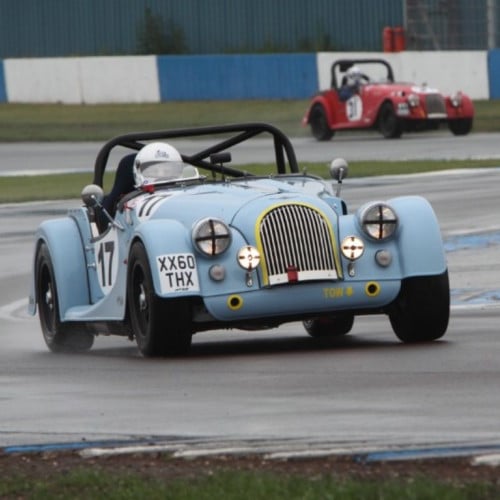
Caterhams usually come with a basic rear bar as standard, but Safety Devices also supplies full FIA-spec bolt-in cages used in competition. These cages prevent use of the full soft hood, but owners often switch to a half hood or bikini top that clips to the cage. It’s a practical compromise: you lose full weather cover but retain basic protection, and you gain a huge safety upgrade and chassis stiffness.
MG Models (MGB, Midget)
Classic MGs benefit from rear roll bars, which are typically designed to clear the soft top. However, owners with glass rear windows or later folding frames should check clearance carefully, as some bars are only compatible with plastic window versions. Safety Devices also lists full cages for racing use, but these often require removing or modifying the soft top. For regular road use, a simple bolt-in rear bar gives protection and keeps the car usable.
BMW Z Series (Z3, Z4 Roadsters)
Later Z cars come with factory rollover hoops, but these may not meet motorsport safety standards. Some owners replace the stock hoops with bolt-in roll bars that fit under the factory roof and preserve full soft top use. Full competition cages usually require hardtop conversion, as the front section will interfere with the roof mechanism. For mixed-use road and track cars, a bolt-in rear bar is the most common solution.
Real-World Examples of Soft Top Retention
Plenty of soft-top owners have successfully fitted Safety Devices cages without losing roof functionality. Here are a few examples that show how it can work in practice:
Triumph TR6
A TR6 owner shared that their Safety Devices roll bar works perfectly with both the soft top and hardtop. Even as a taller driver (6’3″), they had no clearance issues and could drive comfortably. The roll bar stays low enough that, once the roof is clipped in place, it’s hardly noticeable. This shows that Safety Devices designed the bar to follow the car’s original soft top shape without interference.
Mazda MX-5 NA/NB
In the Miata community, keeping the soft top with a roll bar is a common goal. Many owners run rear roll bars or half-cages and report that the soft top folds over them just fine. Full cages, however, often require removing the roof entirely or switching to a hardtop. For street and occasional track use, most MX-5 owners stick with a bolt-in bar or rear hoop setup to balance safety with everyday usability.
Porsche 986 Boxster
With the Boxster’s electric soft top, integration is trickier, but not impossible. Safety Devices offers a cage with special roof brackets that preserve the soft top’s full function. Owners confirm that the roof opens and closes normally, with no interference from the cage. This setup provides genuine track-day protection while keeping the car’s original usability intact.
Caterham 7
Caterham drivers often pair full cages with a half-hood. While getting in and out might require removing the wheel or unclipping part of the hood, the trade-off is constant rollover protection. When the weather clears, the half-hood pops off and the car returns to open-air form.
These examples show that with the right cage design and setup, it’s possible to enjoy both safety and soft-top usability. Whether you drive a vintage roadster or a modern convertible, many drivers have found workable solutions that deliver protection without sacrificing what makes these cars enjoyable.
The Importance of a Roll Cage in a Soft Top Vehicle
Roll cages and roll bars aren’t just for racers; they’re essential safety gear, especially in convertibles. With no fixed roof to protect you in a rollover, a soft top offers minimal structural protection. In many cases, the windshield frame or A-pillars won’t be strong enough to stop the car from collapsing in on itself. A properly installed cage ensures a reinforced structure makes contact with the ground first, preserving a survival space and reducing the risk of serious injury.
That’s why most track day organisers and race series require rollover protection in soft-top cars. Even club-level events often mandate a minimum four-point roll bar. If you’re doing HPDEs, sprints, or wheel-to-wheel racing, a roll cage is often compulsory, and for good reason.
Beyond safety, a cage can stiffen up a soft top’s chassis. Convertibles often suffer from body flex, which affects handling and steering precision. Adding a cage reduces flex, improves feedback, and helps tie the car together. It also gives you a proper mounting point for harnesses, which are only safe when anchored at the right height and angle.
Some modern convertibles come with pop-up roll bars, but these are designed for street use, not motorsport. They may not activate fast enough or provide enough height to protect you at speed. That’s why many performance drivers choose to install a proper bolt-in or weld-in cage, even if the car already has factory rollover devices.
In short, if you’re doing any kind of spirited driving in a soft top, a roll bar or cage should be near the top of your upgrade list. Safety Devices offers solutions that strike a good balance between track-readiness and keeping the soft top functional, making them a smart choice for both safety and practicality.
Popular Safety Devices Roll Cages for Soft Top Vehicles
Here are some of the most popular Safety Devices roll cage setups designed for soft-top cars that retain roof functionality while improving safety.
Each of these options shows that with the right cage, you can drive hard, stay safe, and still enjoy top-down motoring. Safety Devices has designed many of its systems with soft-top clearance in mind, so you don’t have to choose between safety and usability.
-
From £451.20 Incl. VATFrom £376.00 Excl. VAT Select options This product has multiple variants. The options may be chosen on the product page
-
From £607.20 Incl. VATFrom £506.00 Excl. VAT Select options This product has multiple variants. The options may be chosen on the product page






Final Thoughts: Safety and Soft Top Functionality Can Go Hand in Hand
At the end of the day, installing a roll cage or roll bar in your soft-top sports car is one of the best upgrades for anyone who values safety (and it often adds a dash of style and rigidity too!). The big question, “Can you use a Safety Devices roll cage and still retain the soft top functionality?” is answered with a confident yes. In most cases you can. By understanding the different cage designs and choosing a bolt-in setup optimized for your vehicle, you won’t have to give up that open-air freedom. Whether it’s bolting a neat rear cage into an MX-5, fitting a classic TR6 with a rollover bar, or outfitting a Caterham with an FIA cage and half-hood, enthusiasts around the world are enjoying the best of both worlds: top-down driving whenever they please, and top-notch protection when they decide to push the car on track. It’s a combo that truly lets you enjoy your soft-top sports car to the fullest, with an extra layer of confidence in the back of your mind. So go ahead, reinforce that roadster and keep the wind in your hair! Safe motoring and happy open-top driving.